1970s Icons Comic Book Spotlight: The Bronze Age's First Keys
by
IzzyVerseNYC
|January 20, 2026
The 1970s Bronze Age marked a major turning point for comic books, introducing characters and ideas that continue to shape the medium today. This was the era that gave us Wolverine and the Punisher -- characters who brought a harder edge and more personal stakes to superhero storytelling. At the same time, comics began thinking bigger. Jack Kirby launched his ambitious Fourth World saga at DC, introducing the New Gods, Etrigan the Demon, and Darkseid, and redefining what epic, long-form storytelling could look like on the page.
The decade also marked a meaningful shift toward diversity in comics. Characters like Green Lantern John Stewart, Hero for Hire Luke Cage, Storm, and Shang-Chi reflected a broader range of voices and experiences that the medium had not shown before, helping redefine who could stand at the center of a comic book.
Alongside this evolution was the rise of post-Comics Code horror and supernatural storytelling, with characters such as Swamp Thing, Werewolf by Night, and Ghost Rider pushing comics into darker, more experimental territory.
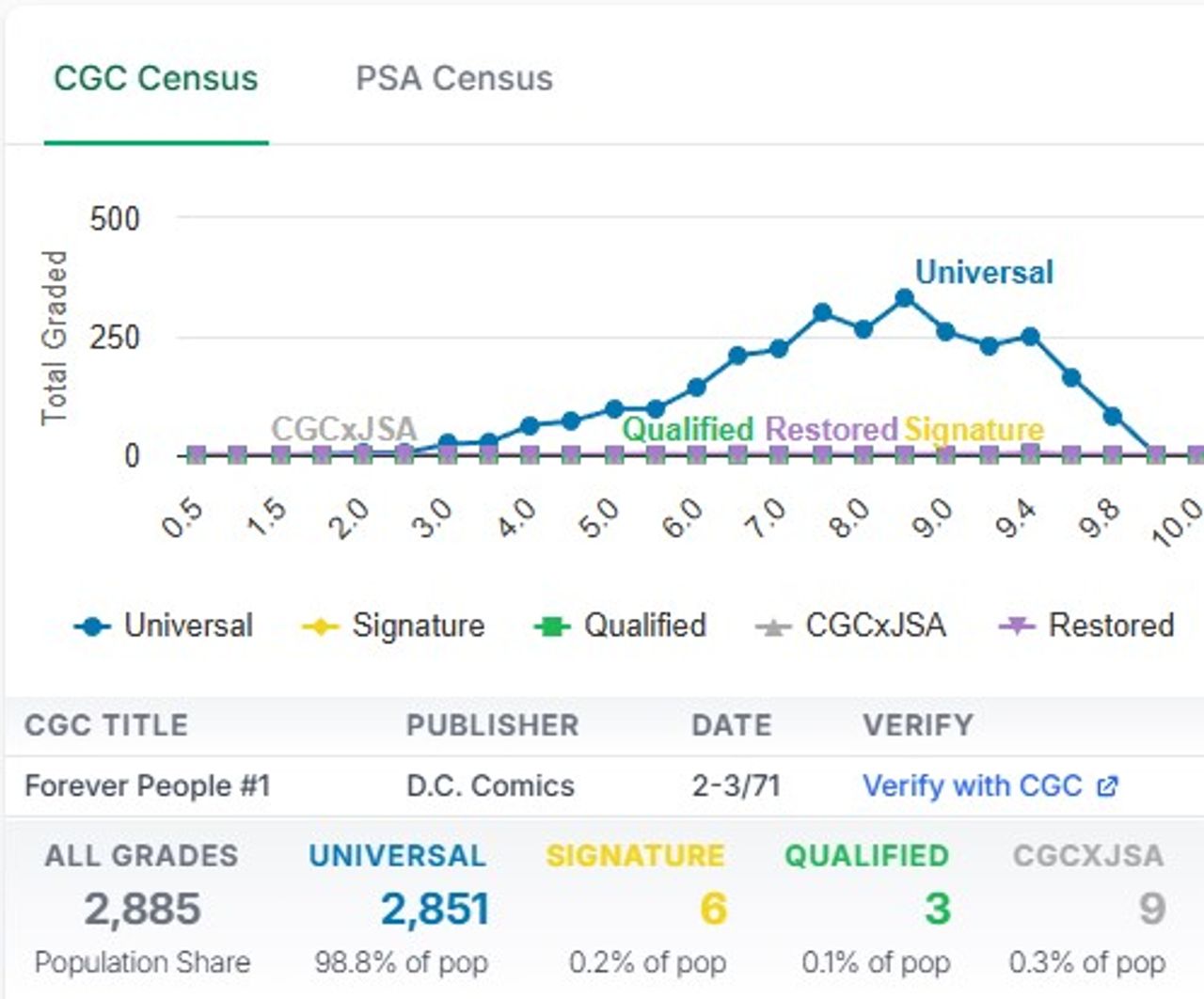
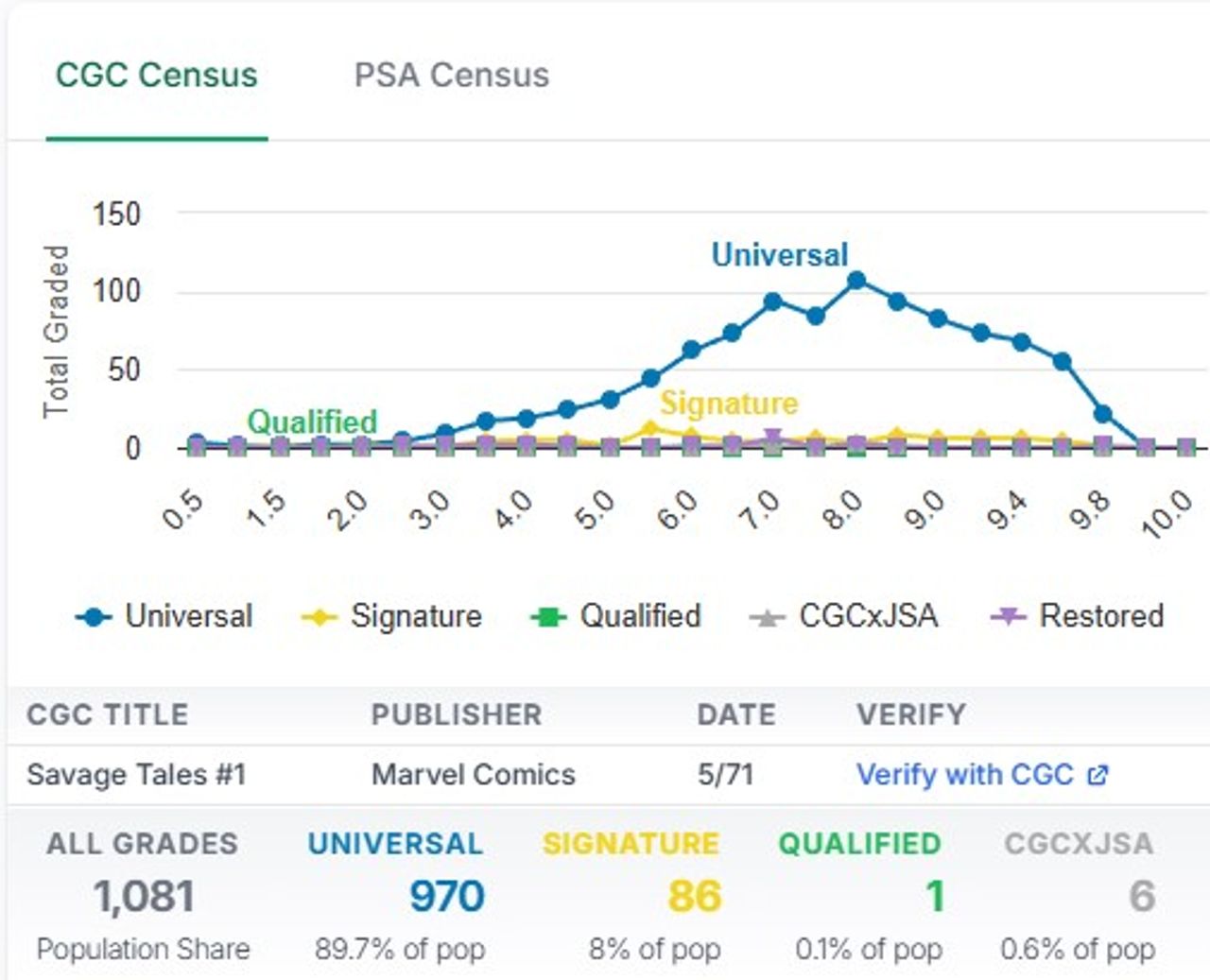
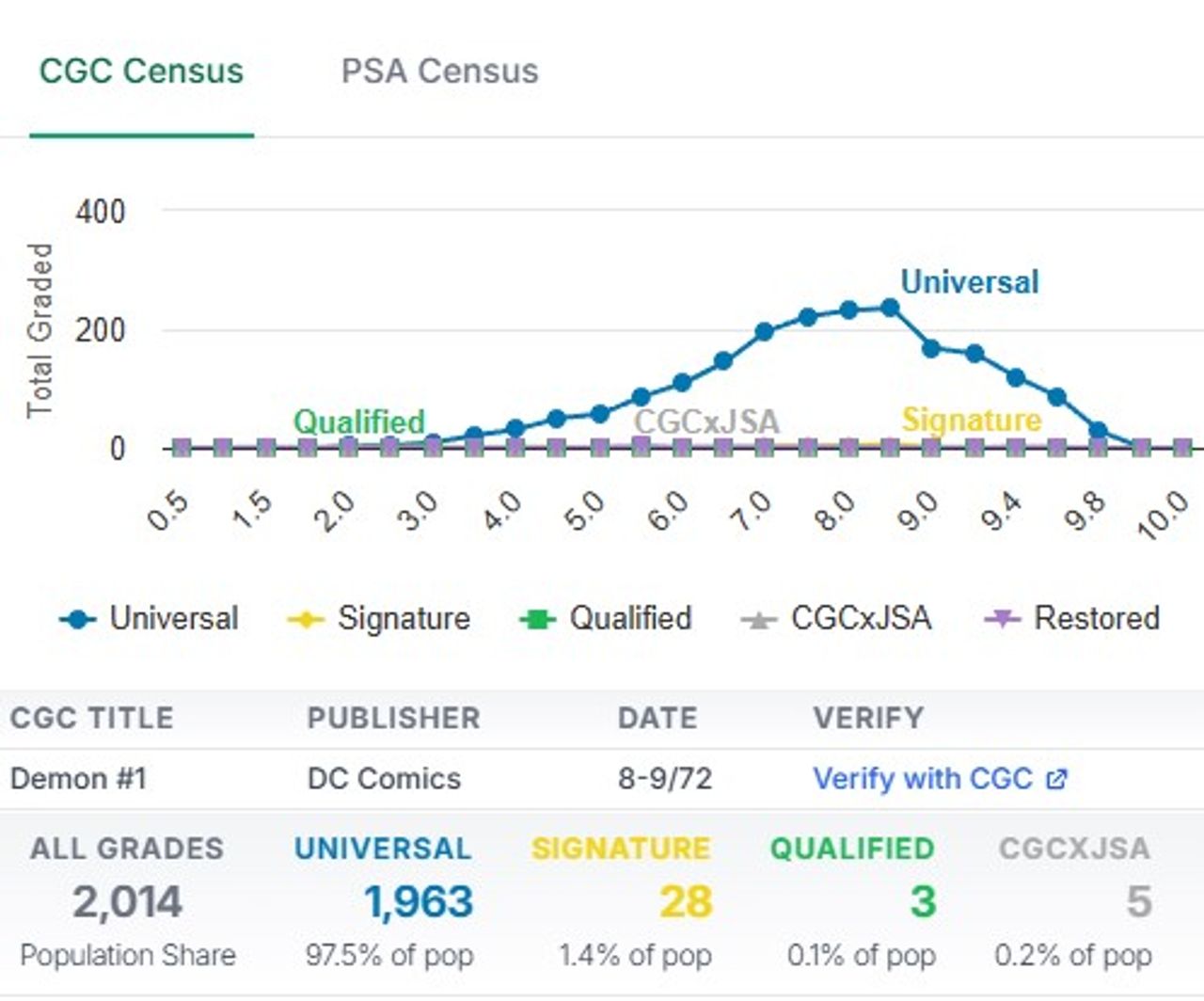
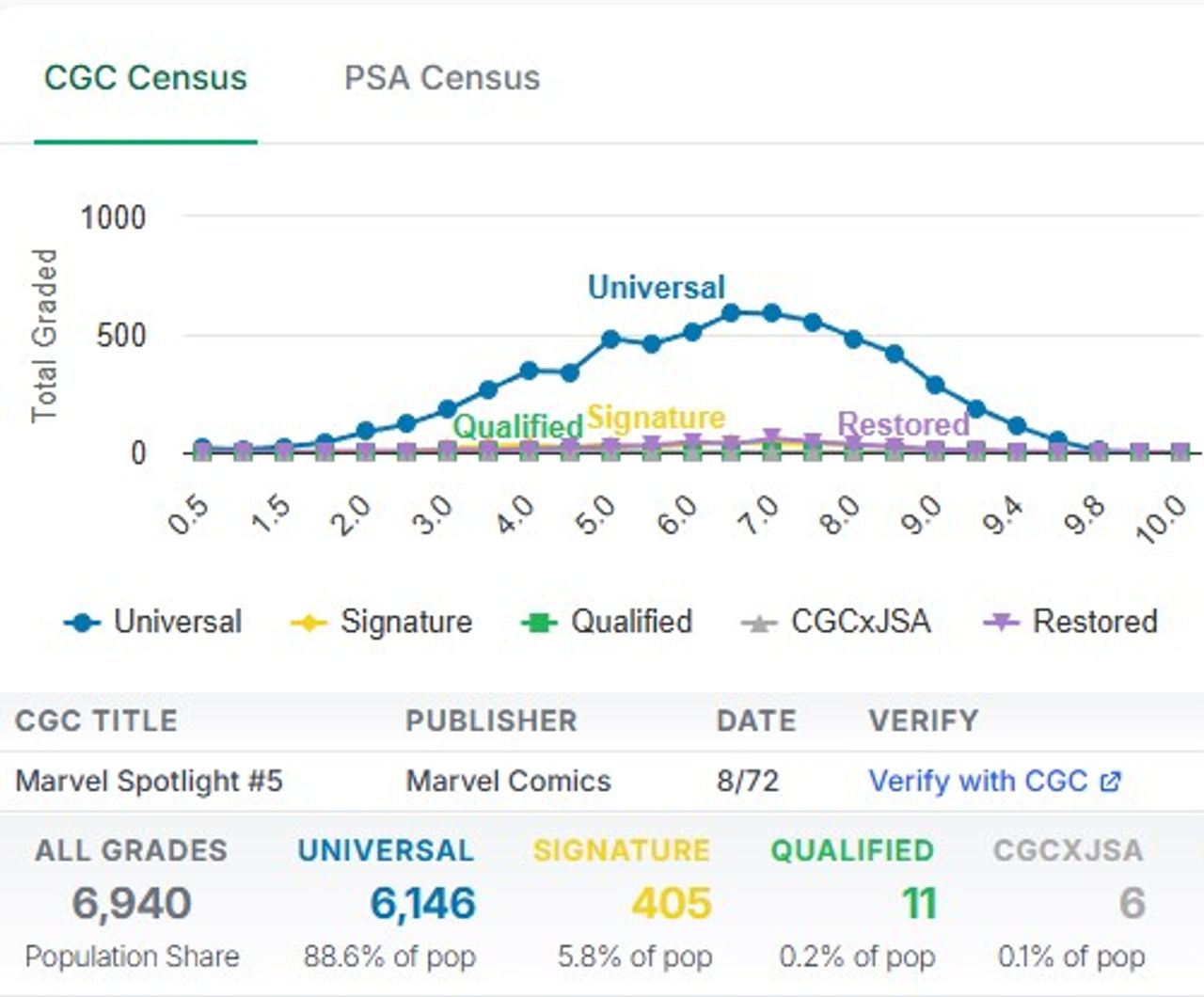
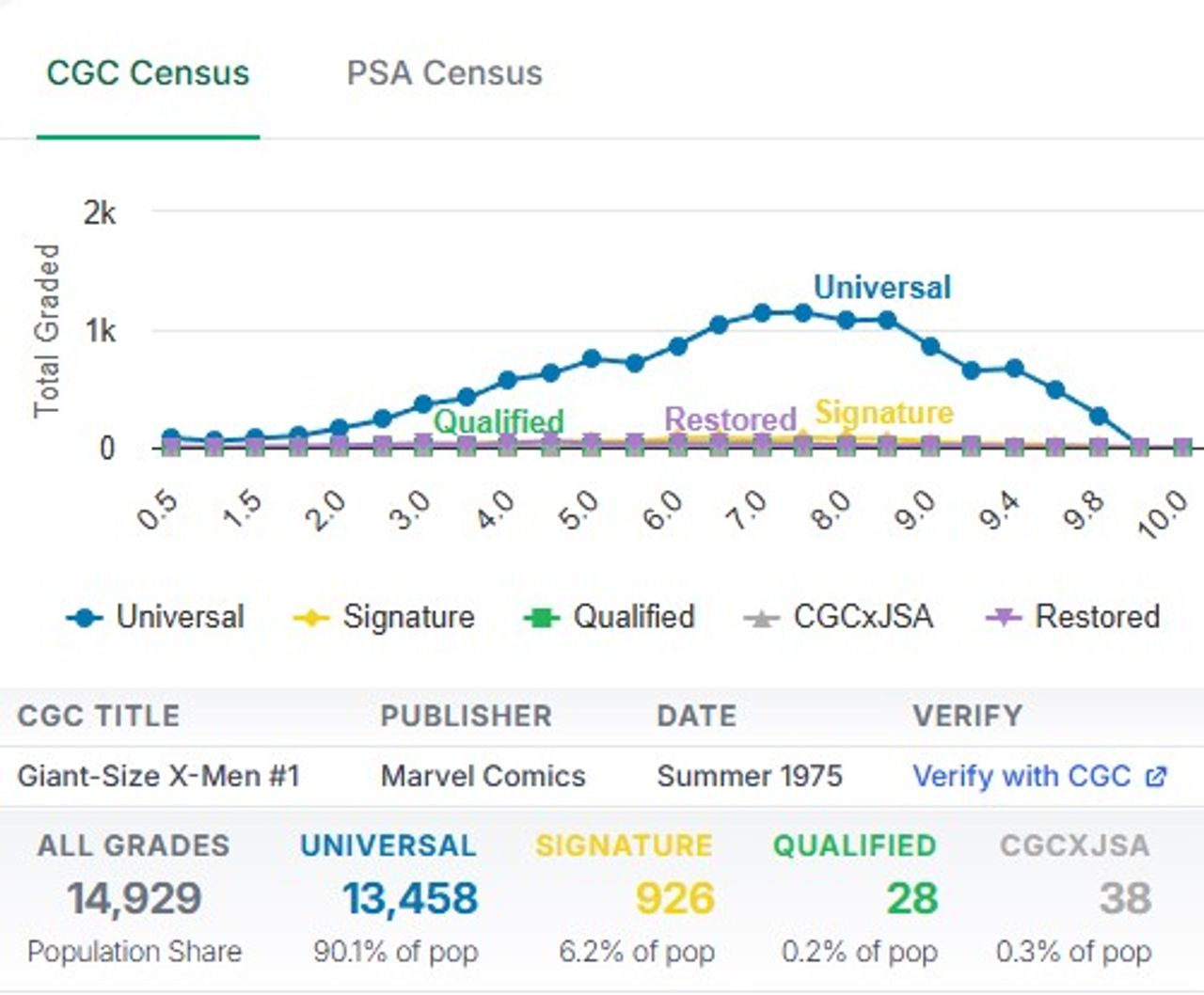
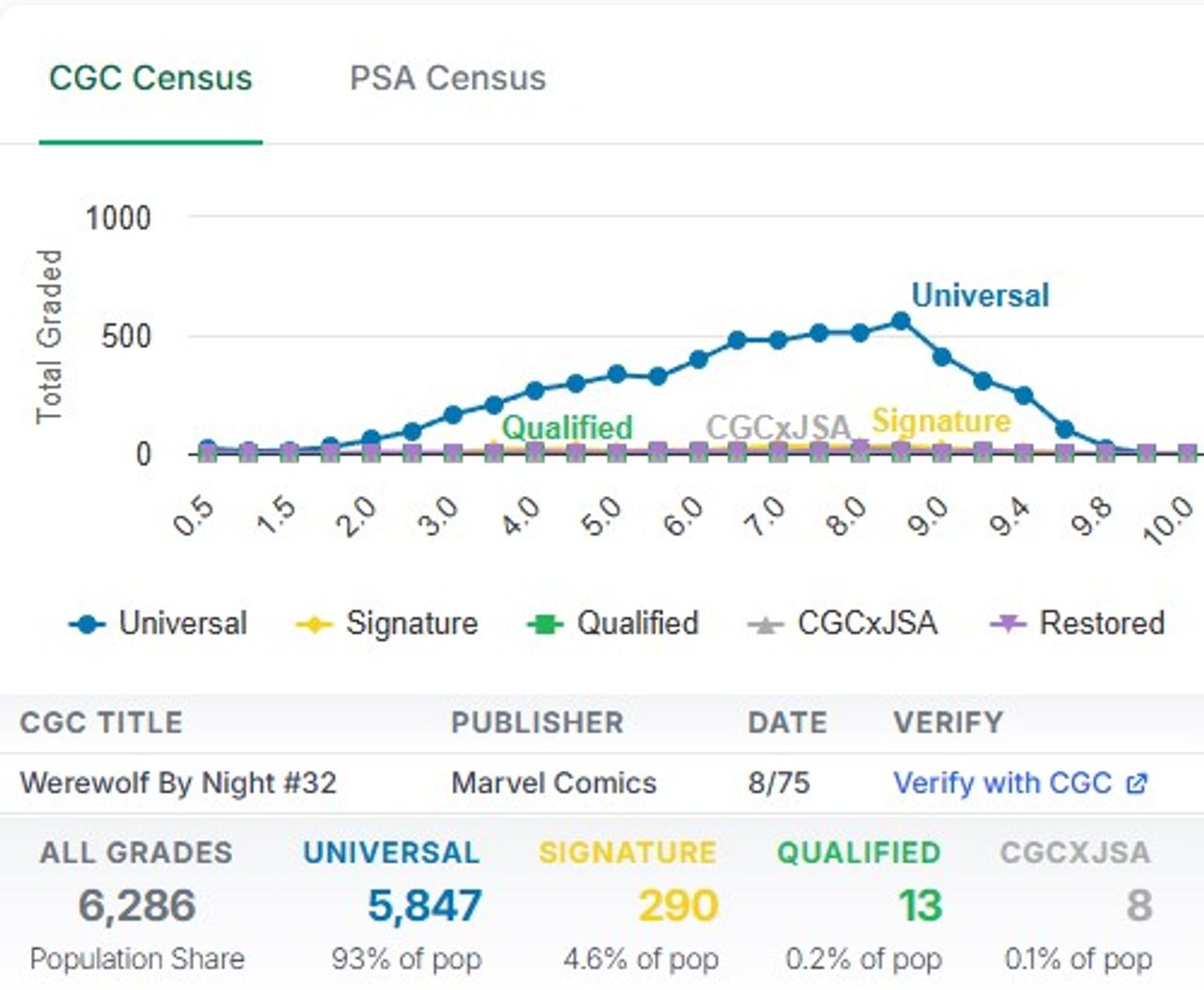
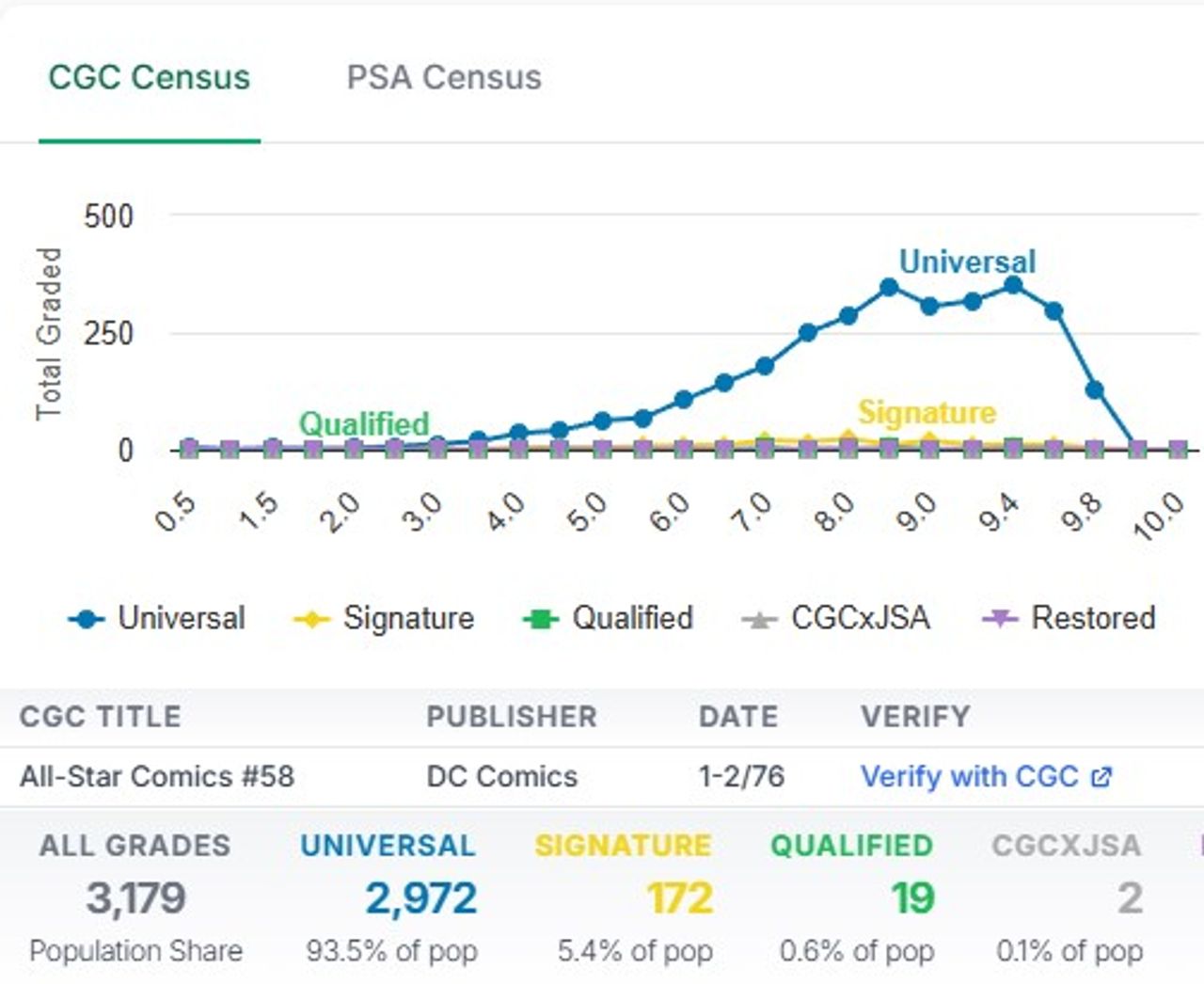
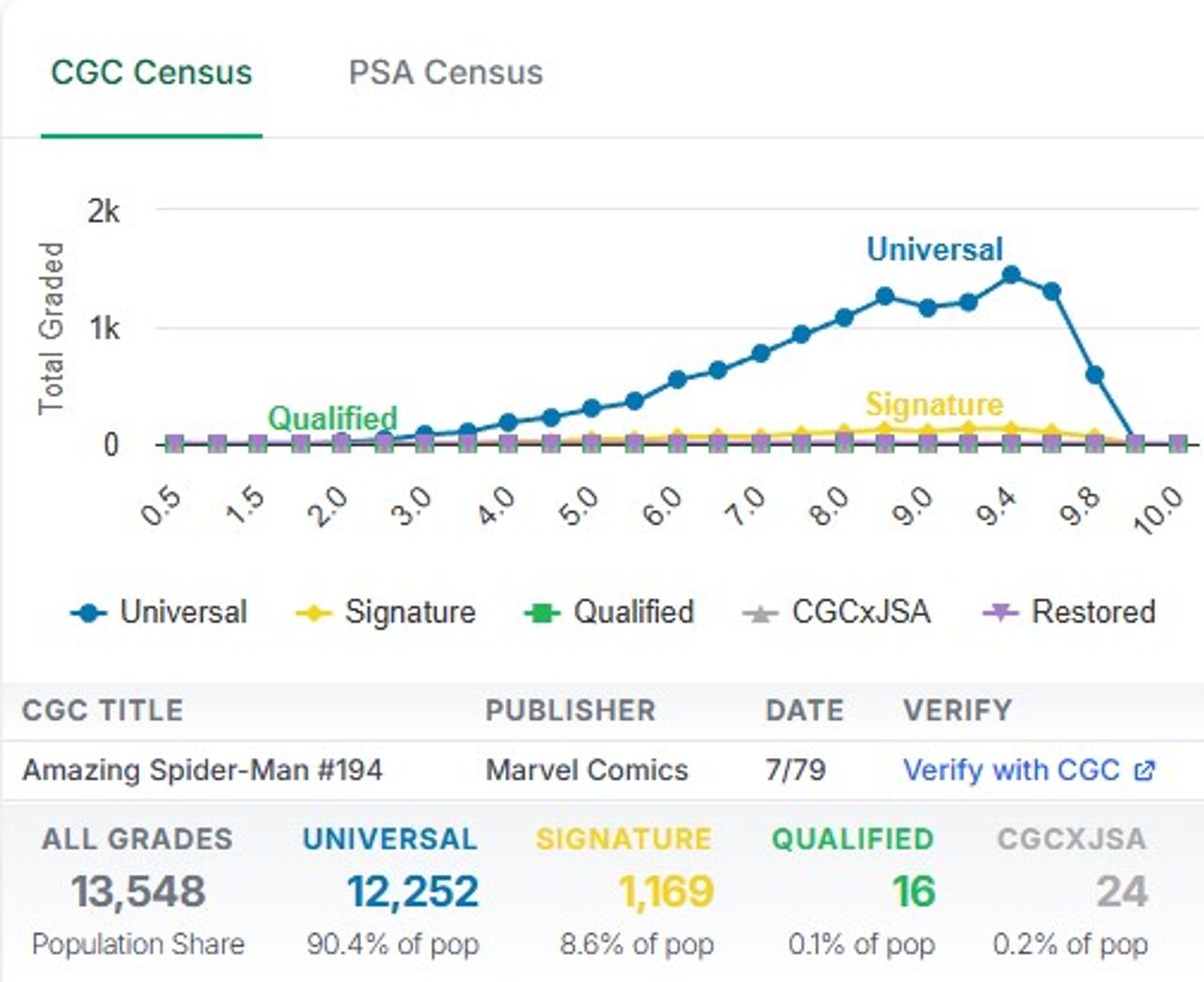
This article is not a countdown or a ranking. Instead, it’s a retrospective look at some of the most important first appearances of the 1970s. We’ll revisit the comics where these characters made their debut, examine CGC census data to better understand their presence today, and explore why these Bronze Age characters continue to matter decades later. These first appearances help explain why the 1970s remain one of the most influential periods in comic book history.
Darkseid
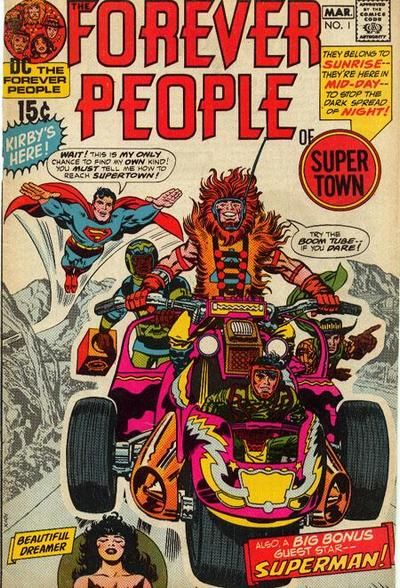
First full Appearance:Forever People #1 (1971) Darkseid redefined the modern comic book villain by introducing a godlike antagonist driven by control, tyranny, and ideology rather than impulse or chaos. His debut as part of Jack Kirby’s Fourth World did not rely on instant popularity, but on slow-burn myth-building that rewarded long-form storytelling. Visually imposing and emotionally cold, Darkseid stood apart from traditional villains by feeling inevitable rather than reactive. Over time, he became the blueprint for cosmic antagonists across comics, film, and television. His importance grew steadily as readers grasped the scale of Kirby’s vision.
New Gods (Orion, Highfather, Metron, etc.)
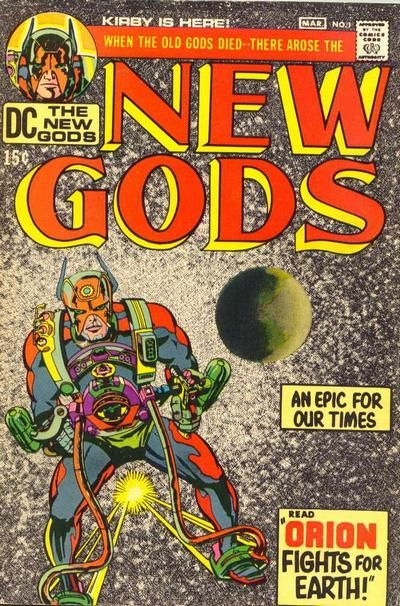
First Appearance:New Gods #1 (1971) Jack Kirby's New Gods expanded superhero mythology into epic science fiction, transforming DC’s universe into something closer to modern mythology. While their debut did not create immediate mainstream icons, the concepts resonated deeply with readers who appreciated layered world-building. Characters like Orion, Highfather, Metron, and others, gained significance as their moral conflicts and philosophical roles became clearer over time. Their bold designs and operatic themes helped redefine what cosmic storytelling could look like in mainstream comics.
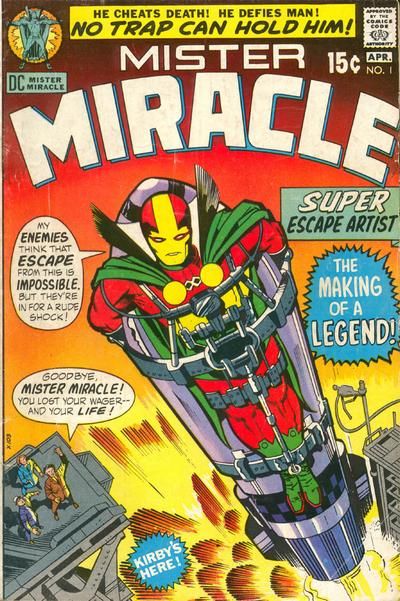
Mister Miracle
First Appearance:Mister Miracle #1 (1971) Mister Miracle stood out by blending superhero spectacle with psychological tension, focusing on trauma, control, and escape. While initially introduced as part of a larger mythos, the character’s identity grew stronger as readers connected with his internal struggles. His clean, almost theatrical design contrasted sharply with the emotional weight of his stories. Over time, Mister Miracle became one of the most human figures within Jack Kirby's Fourth World, earning his legacy through depth rather than immediate popularity.
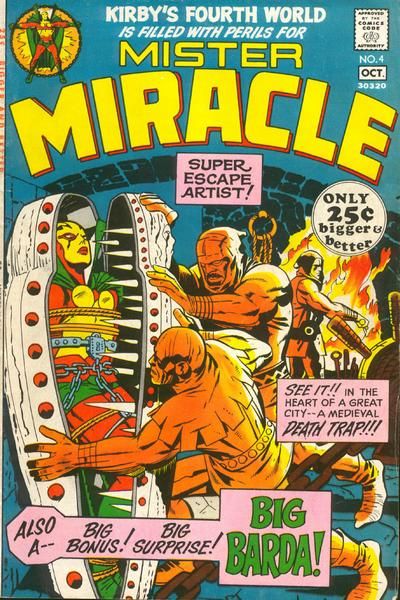
Big Barda
First Appearance: Mister Miracle #4 (1971) Big Barda broke new ground as a powerful, fully realized female warrior at a time when such characters were rare. Introduced just after Mister Miracle a few issues in, she did not rely on instant fanfare but earned respect through presence and consistency. Her towering physique and unapologetic strength challenged long-standing visual norms in superhero comics. Over the years, Barda remained largely true to her original concept, reinforcing her role as both protector and equal.
Ra’s al Ghul
First Appearance: Batman #232 (1971) Ra’s al Ghul elevated Batman stories by introducing a villain defined by ideology and long-term planning rather than gimmicks. His first appearance immediately felt significant, signaling a broader, global scope for Batman’s world. Ra’s refined appearance and intellectual presence set him apart from Gotham’s usual rogues. Over time, he became a cornerstone of Batman lore, influencing stories centered on legacy, morality, and balance.
Man-Thing (Ted Sallis)
First Appearance: Savage Tales #1 (1971) Man-Thing embodied Marvel’s Bronze Age horror movement by prioritizing mood, emotion, and atmosphere over traditional heroics. His debut aligned perfectly with the era’s shift toward darker, more introspective storytelling. Visually unsettling and intentionally passive, Man-Thing resisted the standard superhero mold. His appeal grew gradually as readers embraced horror-driven narratives within the Marvel Universe.
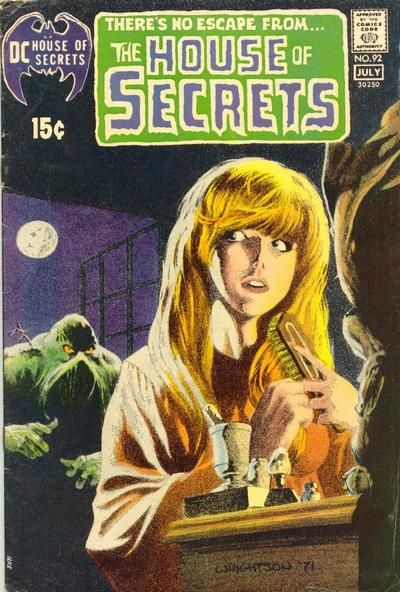
Swamp Thing (Alec Holland)
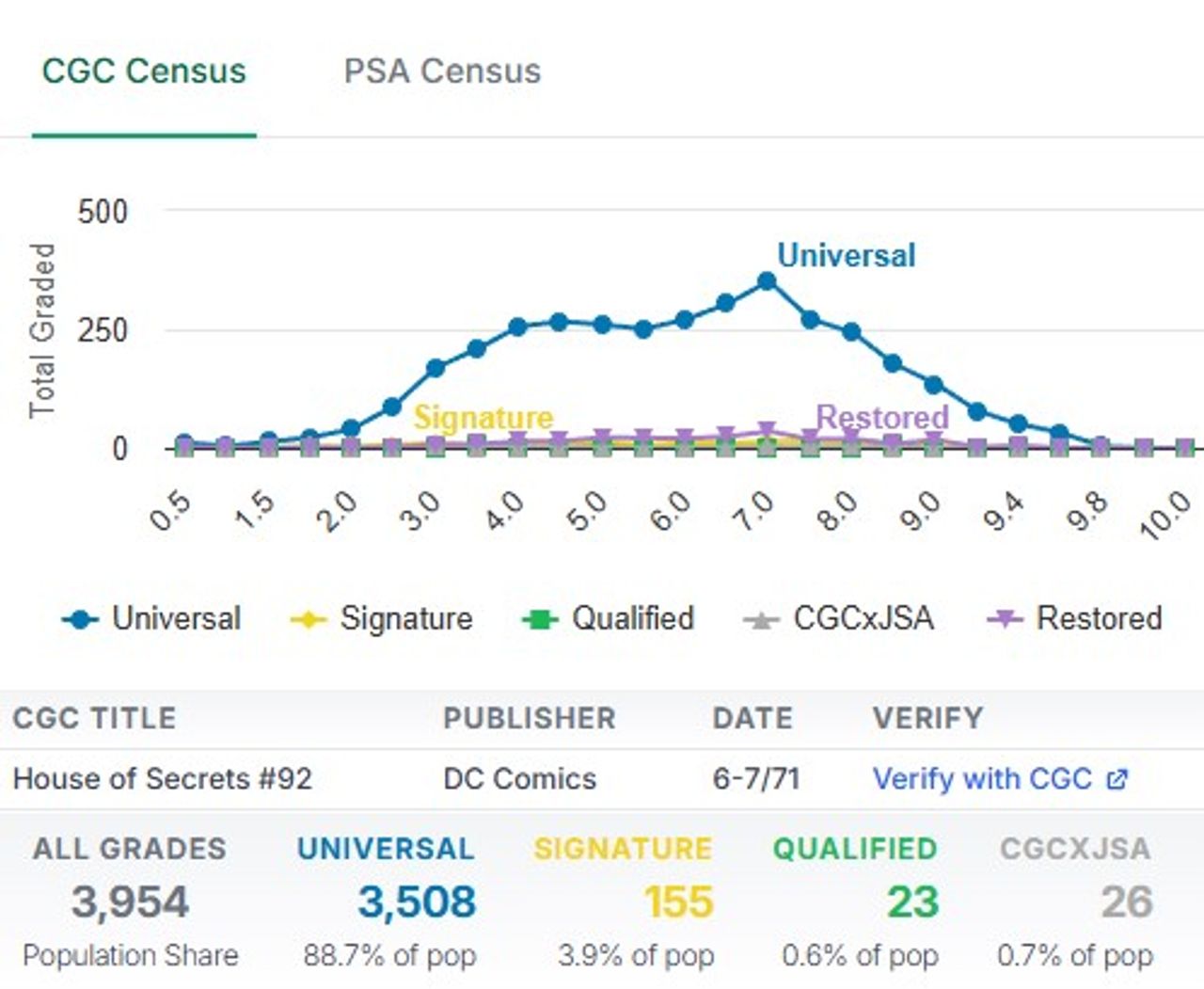
First Appearance: House of Secrets #92 (1971) Swamp Thing helped push mainstream comics toward mature horror and environmental themes. While his debut was compelling, his full cultural impact developed as creators leaned into his tragic and philosophical nature. His grotesque yet sympathetic design reinforced themes of loss and transformation. Over time, Swamp Thing evolved into one of comics’ most respected vehicles for literary storytelling, especially when written by Alan Moore.
Green Lantern John Stewart
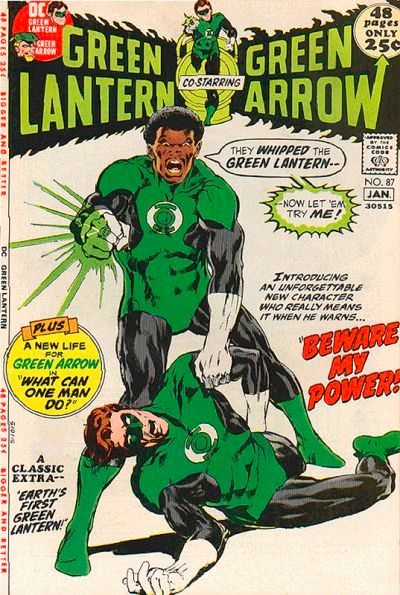
First Appearance: Green Lantern #87 (1971) John Stewart expanded representation in superhero comics by introducing a Green Lantern grounded in realism and discipline. His early appearances did not immediately place him in the spotlight, but his presence grew as stories emphasized social responsibility and leadership. Visually understated compared to other Lanterns, Stewart’s strength came from restraint and conviction. His reputation steadily rose, especially after becoming the Green Lantern featured in Bruce Timm’s Justice League animated series, cementing his status as one of DC’s most respected and well known Green Lanterns.
Werewolf by Night (Jack Russell)
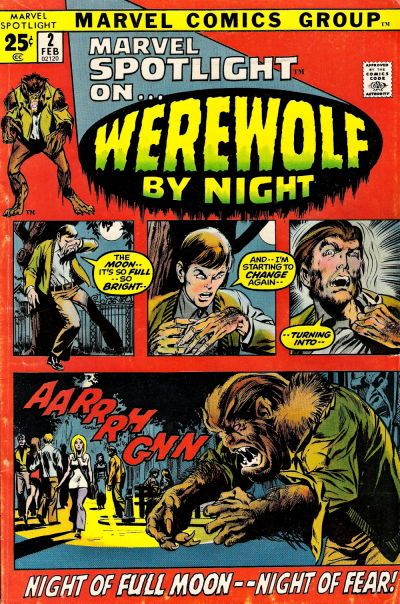
First Appearance: Marvel Spotlight #2 (1972) Werewolf by Night played a key role in Marvel’s 1970s horror boom, helping normalize supernatural stories within mainstream comics. While not an instant breakout hit, the character benefited from growing reader interest in genre experimentation. His classic monster design tapped directly into horror traditions. Over time, the character’s importance became clearer as Marvel’s supernatural corner expanded.
Luke Cage
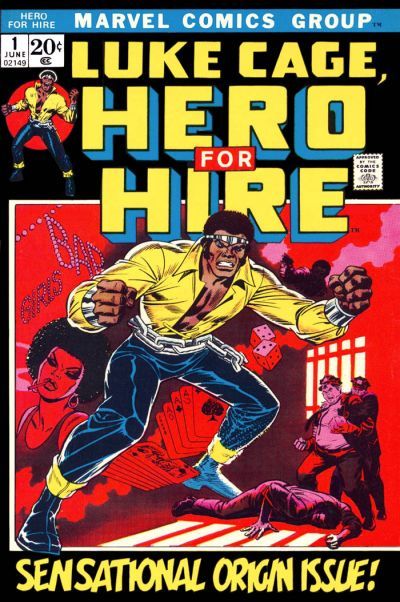
First Appearance:Luke Cage, Hero for Hire #1 (1972) Luke Cage was one of Marvel’s first Black heroes to headline his own series, reflecting 1970s urban culture and social realism. His debut was culturally significant, even if mainstream acceptance came gradually. Cage’s grounded look and street-level voice set him apart from costumed heroes. Over time, his identity evolved from genre experiment to cornerstone of Marvel’s urban storytelling.
Etrigan the Demon
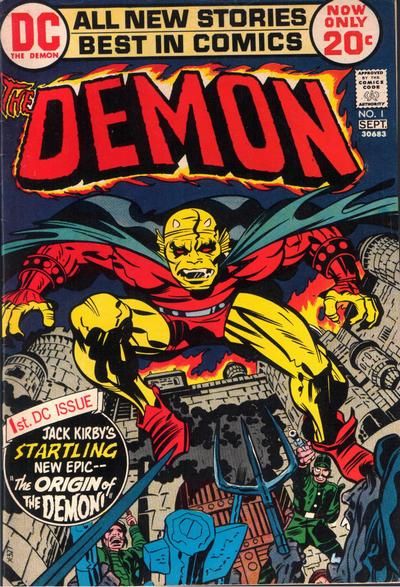
First Appearance: The Demon #1 (1972) Another great Jack Kirby creation, Etrigan blended superhero action with classic demon mythology, bringing supernatural storytelling firmly into the DC universe. His rhyming speech and monstrous design made him immediately distinctive. While not universally embraced at first, his uniqueness earned lasting appeal. Etrigan remained largely unchanged, which reinforced his timeless, mythic quality.
Ghost Rider (Johnny Blaze)
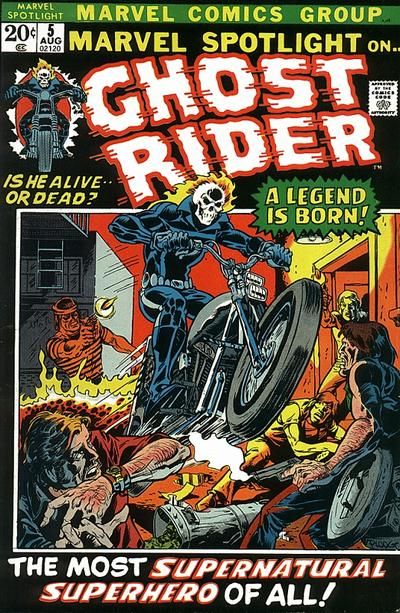
First Appearance: Marvel Spotlight #5 (1972) Ghost Rider fused horror, counterculture, and superhero elements into a visually unforgettable anti-hero. His flaming skull and motorcycle made an instant impression on readers. While initially tied to the horror trend, Ghost Rider’s popularity grew as Marvel leaned into darker anti-heroes. Over time, he became one of Marvel’s most enduring visual icons.
Thanos & Drax the Destroyer
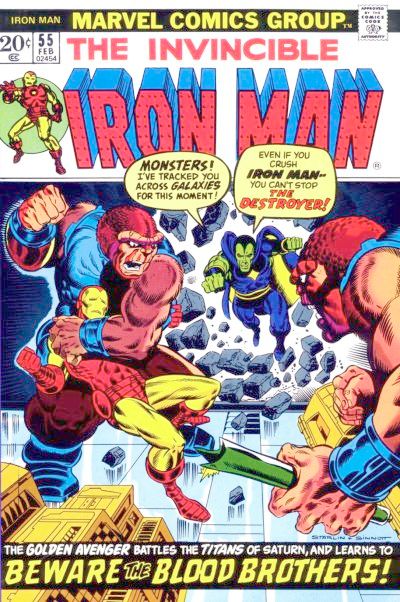
First Appearance: Iron Man #55 (1973) Thanos: Originally conceived as Marvel’s answer to Darkseid, Thanos quickly evolved into a character with his own identity, defined by obsession, ideology, and philosophical cruelty. His early appearances built slowly through interconnected cosmic stories rather than instant dominance. Visually simple yet imposing, Thanos relied on presence and intent instead of excess. That long-term groundwork paid off in the Marvel Cinematic Universe, where Thanos—portrayed by Josh Brolin—became the central villain of the Infinity Saga. His role was crucial to the MCU’s success, providing a unifying threat that connected multiple films and culminated in one of the most ambitious long-form story arcs in modern pop culture. Drax the Destroyer Drax was originally introduced in the comics as a grim, purpose-built cosmic warrior created solely to destroy Thanos. Early versions of the character emphasized tragedy and vengeance, with little room for humor or emotional range. Over time, Drax evolved, particularly through his association with the Guardians of the Galaxy, where teamwork and personality became central to his appeal. That transformation reached a wider audience in the MCU, where wrestler-turned-actor Dave Bautista reshaped Drax into a character who balanced literal-minded comedy with genuine heart. Bautista’s portrayal helped turn Drax into not just a supporting player, but one of the most beloved members of the Guardians team.
Blade
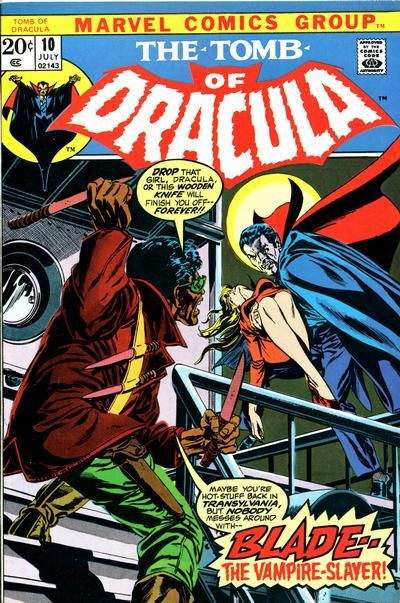
First Appearance: Tomb of Dracula #10 (1973) Blade merged horror and action into a modern anti-hero, initially appearing as a supporting character rather than a headliner during Marvel’s 1970s horror boom. His sharp visual design and no-nonsense attitude helped him stand apart from traditional heroes. Blade’s popularity grew as readers embraced morally gray characters who operated outside the usual superhero code. That foundation paid off decades later with the Blade film trilogy starring Wesley Snipes, which proved comic book characters could succeed in mainstream cinema and helped open the door for the modern superhero movie era.
Howard the Duck
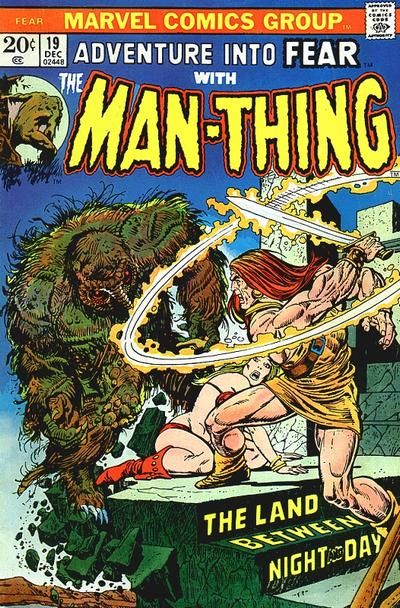
First Appearance: Adventure into Fear #19 (1973) Howard the Duck used satire and absurdity to challenge expectations of what comics could be. His debut was unconventional, and reactions were mixed at first. Howard’s cartoonish design contrasted sharply with the serious themes he addressed. Over time, his cult following proved there was room for commentary-driven comics.
Shang-Chi, Master of Kung-Fu
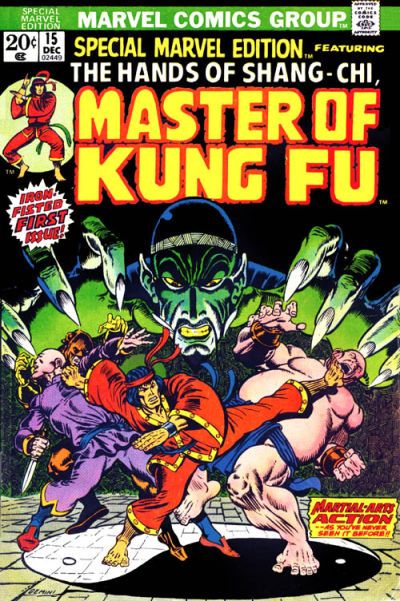
First Appearance: Special Marvel Edition #15 (1973) Shang-Chi brought martial arts cinema influences into comics, expanding Marvel’s genre reach. His debut capitalized on growing interest in kung fu films, though his popularity built gradually. His grounded design emphasized discipline over spectacle. Shang-Chi’s legacy grew as martial arts storytelling became more accepted in comics.
The Punisher (Frank Castle)
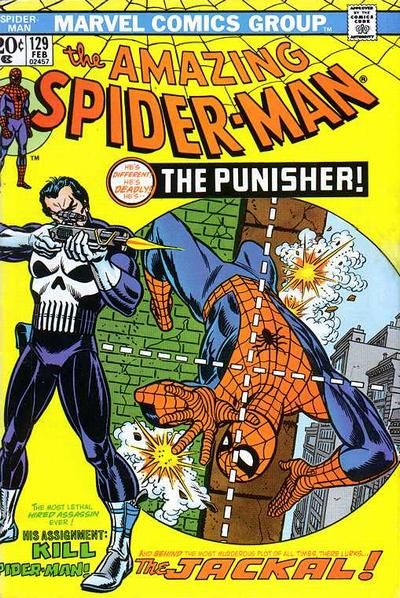
First Appearance: Amazing Spider-Man #129 (1974) The Punisher pushed moral boundaries by introducing a vigilante driven by lethal justice. Initially a Spider-Man antagonist, he resonated strongly with readers. His stark design reflected his uncompromising worldview. Over time, he became a defining figure in street-level comics.
Iron Fist (Danny Rand)
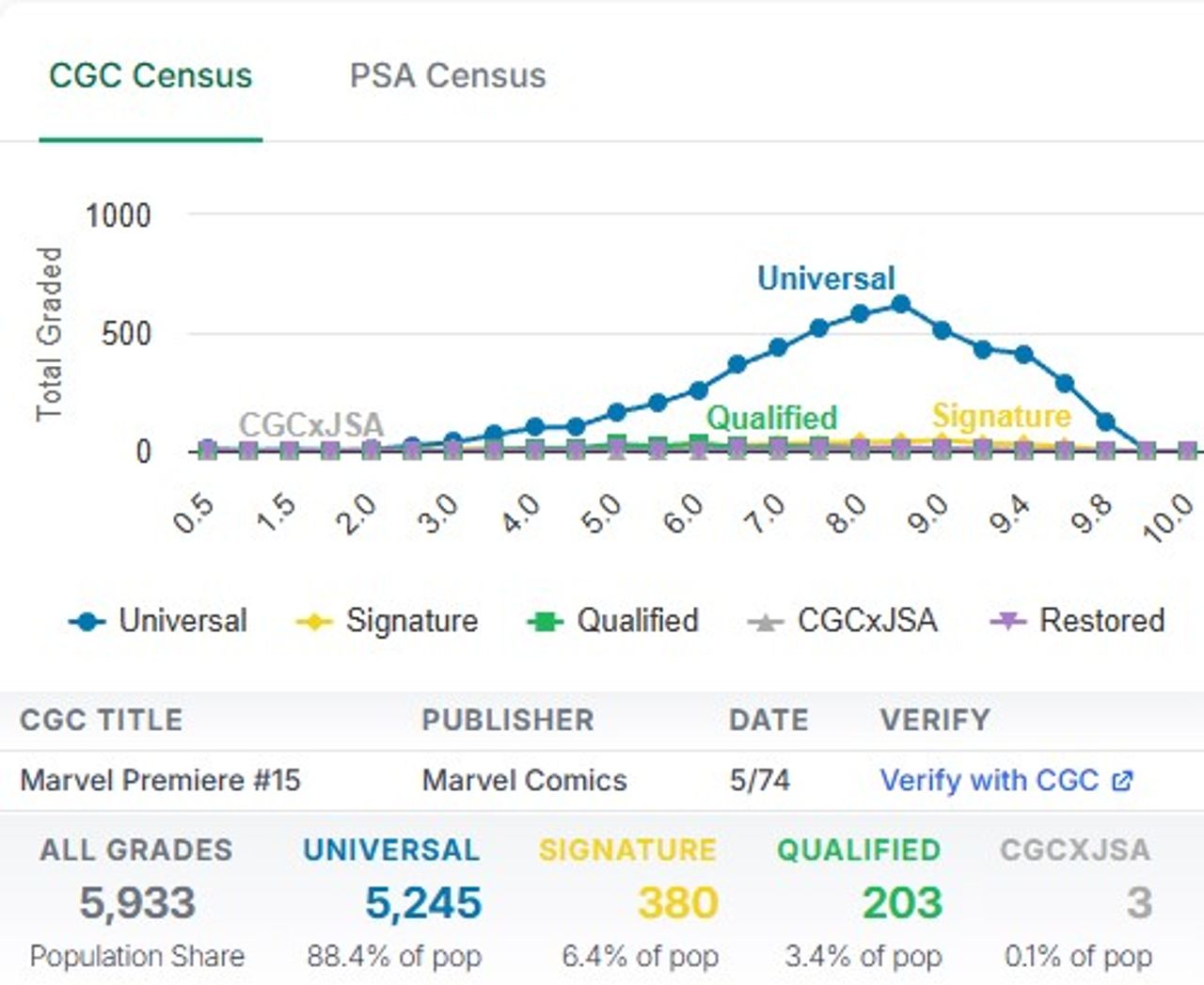
First Appearance: Marvel Premiere #15 (1974) Iron Fist combined martial arts mysticism with superhero storytelling during a period of genre blending. His debut fit squarely within the kung fu craze of the era. His visual identity balanced traditional superhero elements with Eastern influences. Iron Fist’s relevance grew through team affiliations and character evolution.
Deathlok
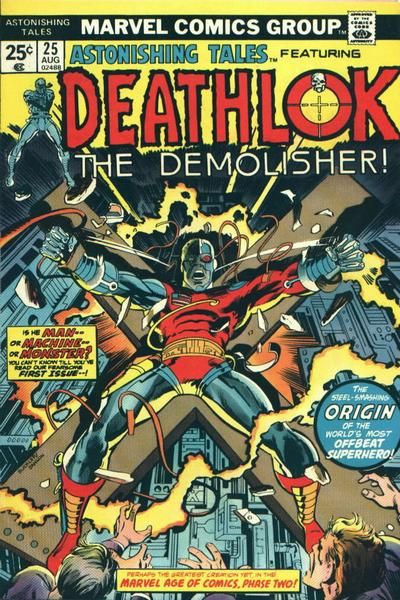
First Appearance: Astonishing Tales #25 (1974) Deathlok explored technology, identity, and dehumanization, marking an early step toward cyberpunk themes. His debut was unsettling by design, both visually and conceptually. The body-horror aesthetic reinforced the character’s internal struggle. Over time, Deathlok became a reference point for darker sci-fi storytelling in comics.
Wolverine
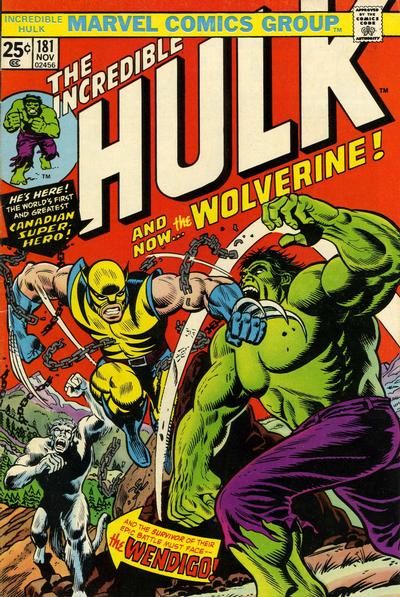
First Full Appearance: Incredible Hulk #181 (1974) Wolverine redefined the anti-hero with aggression, vulnerability, and moral ambiguity. His debut was impactful but understated, with his popularity growing steadily through consistent appearances and strong creative direction. His compact, feral design challenged traditional heroic physiques and helped set him apart visually. That appeal expanded far beyond comics with Hugh Jackman’s long-running portrayal in the X-Men films, which introduced Wolverine to a global audience and cemented him as one of the most recognizable characters in comic book history.
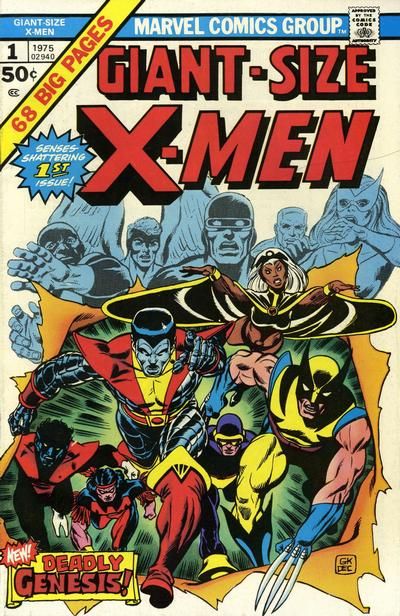
The New X-Men (Storm, Nightcrawler, Colossus & Thunderbird)
First Appearance: Giant-Size X-Men #1 (1975) This X-Men lineup revitalized the franchise by introducing diversity, global perspectives, and deeper emotional storytelling. Their debut was immediately successful, rescuing the series from cancellation and setting the stage for its rise under Chris Claremont and John Byrne, whose long-form character work defined the team for years. Each character brought a distinct visual and emotional identity that helped readers connect on a personal level. That popularity only grew with X-Men: The Animated Series, which brought the team to a wider audience.
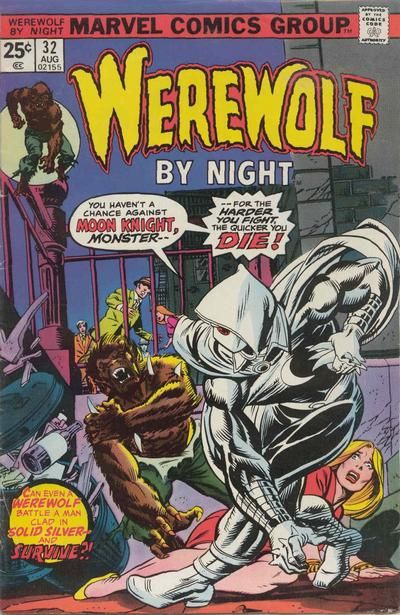
Moon Knight
First Appearance: Werewolf by Night #32 (1975) Moon Knight stood out for psychological complexity at a time when such depth was uncommon. His debut hinted at instability rather than spectacle. The layered costume reflected fractured identity. Over time, Moon Knight’s appeal grew as readers embraced darker, character-driven stories.
Power Girl
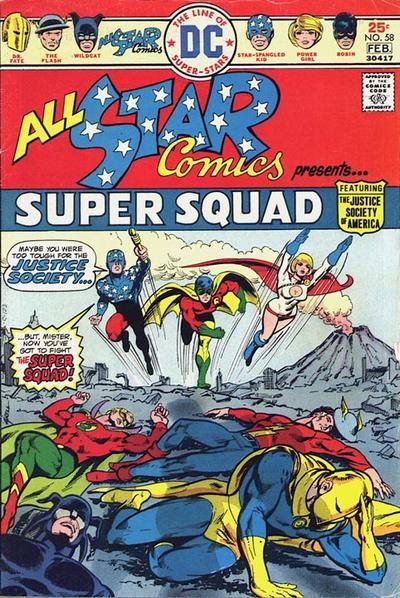
First Appearance: All Star Comics #58 (1976) Power Girl challenged expectations by presenting strength and independence without narrative apology. Her debut established her as distinct from Supergirl rather than a copy. Her bold design sparked discussion but reinforced confidence. Power Girl largely resisted change, strengthening her identity.
Star-Lord (Peter Quill)
First Appearance: Marvel Preview #4 (1976) Star-Lord debuted as a space-faring adventurer whose early appearances drew modest attention. Over time, the character evolved into a charismatic rogue, a shift that helped define Marvel’s modern cosmic direction. That evolution reached a new level with the Guardians of the Galaxy films, directed by James Gunn and led by Chris Pratt, which turned Star-Lord into a mainstream favorite. The MCU success transformed a once-obscure character into a central figure of Marvel’s cosmic storytelling.
Bullseye
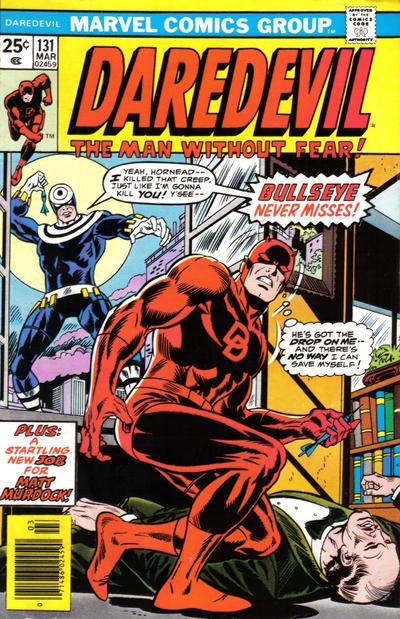
First Appearance:Daredevil #131 (1976) Bullseye became one of Marvel’s most dangerous villains by relying solely on human precision rather than superpowers. His debut was immediately unsettling, and his minimalist design reinforced his cold cruelty. Over time, his rivalry with Daredevil helped define both characters across decades of storytelling. That menace reached a wider audience through his portrayal in the Daredevil television series, which emphasized his psychological instability and cemented Bullseye as one of Marvel’s most chilling street-level villains.
Nova (Richard Rider)
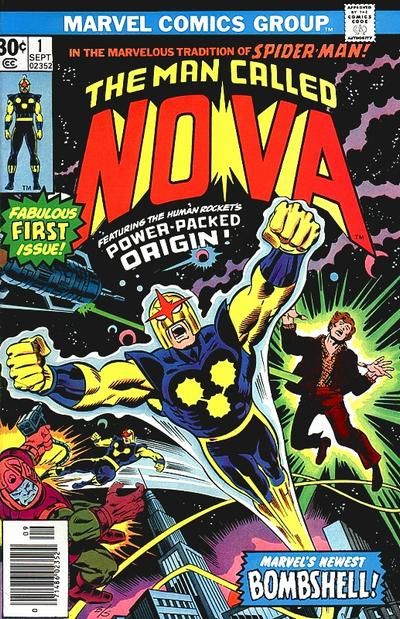
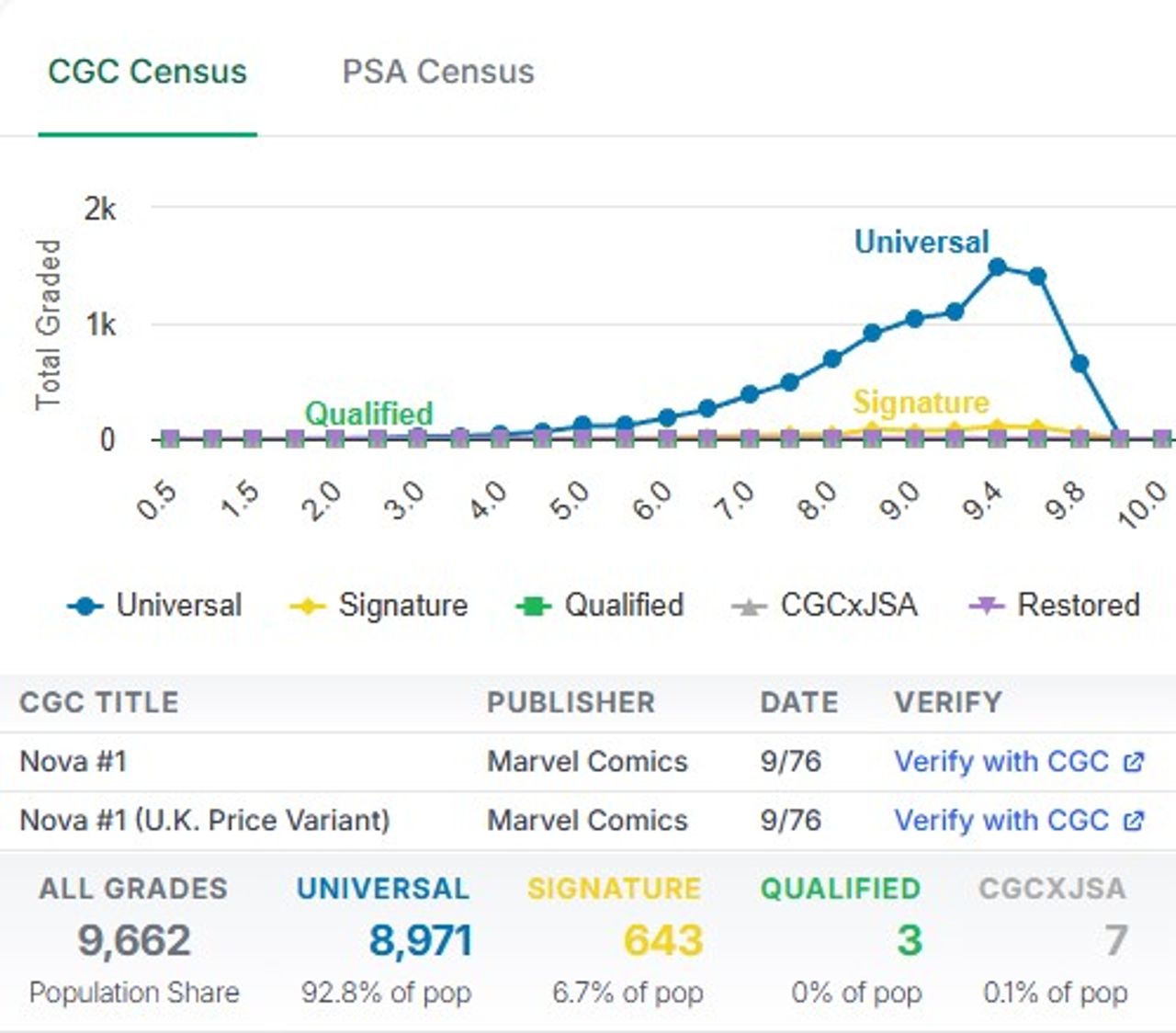
First Appearance: Nova #1 (1976) Nova represented the evolving teen hero placed into cosmic responsibility, balancing adventure with vulnerability from the start. His classic, straightforward design echoed traditional hero aesthetics while grounding him in relatable struggles. Over time, Nova’s role deepened as Marvel expanded its cosmic universe and leaned into larger interstellar stories. With a potential MCU appearance on the horizon, interest in the character continues to grow, and Nova’s long-term relevance—and collector attention—may rise accordingly.
Spider-Woman (Jessica Drew)
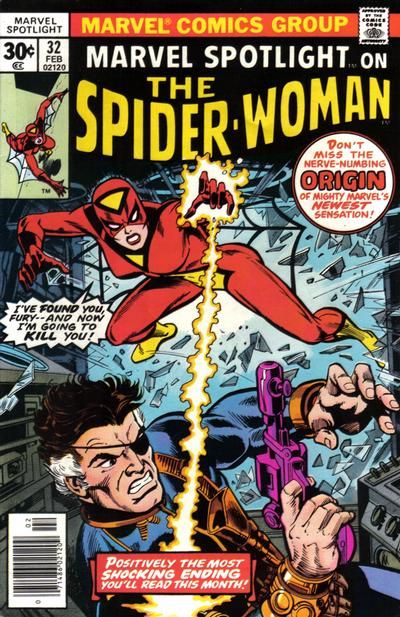
First Appearance: Marvel Spotlight #32 (1977) Spider-Woman expanded Marvel’s female-led titles through mystery and espionage rather than traditional superhero tropes. Her debut sparked curiosity more than instant fame, allowing the character to develop gradually. Her visual identity leaned into intrigue and independence rather than imitation. That recognition extended beyond comics with a brief animated series in the late 1970s, and over time she earned a distinct and lasting place in Marvel lore.
Judge Dredd
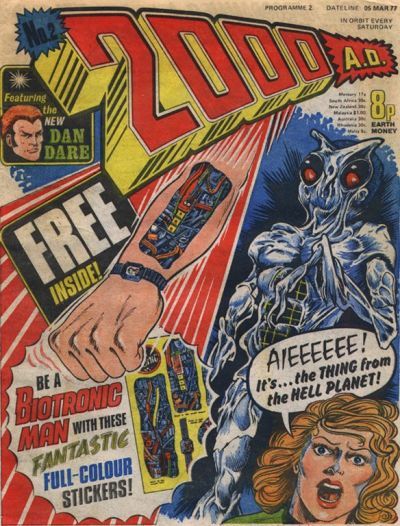
First full Appearance: 2000 AD #2 (1977) Judge Dredd became a cultural icon by critiquing authoritarian justice through sharp satire and uncompromising law enforcement. His debut immediately established tone, attitude, and worldview, with the rigid uniform reinforcing his ideology. Dredd’s influence spread well beyond British comics through two film adaptations—Sylvester Stallone’s Judge Dredd and Karl Urban’s Dredd—each bringing the character to new audiences in very different ways. Together, those portrayals helped solidify Judge Dredd’s lasting impact on global pop culture.
Black Lightning
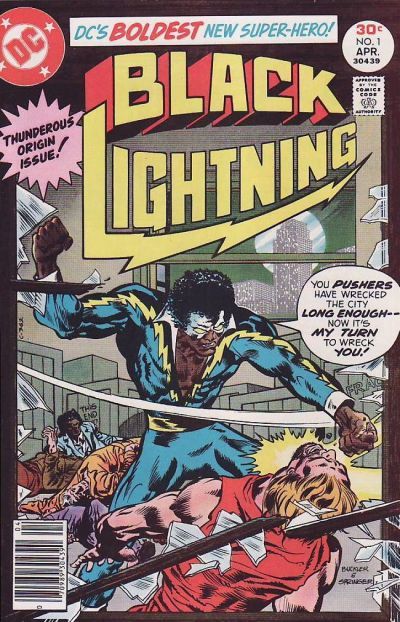
First Appearance: Black Lightning #1 (1977) Black Lightning grounded superhero stories in social reality, bringing social issues and community responsibility to the forefront. His debut carried cultural weight, even as his popularity grew gradually over time. His grounded look reinforced authenticity rather than spectacle. That legacy reached a wider audience with Black Lightning on The CW, which further cemented the character as a key figure in DC’s history of representation.
Sabretooth
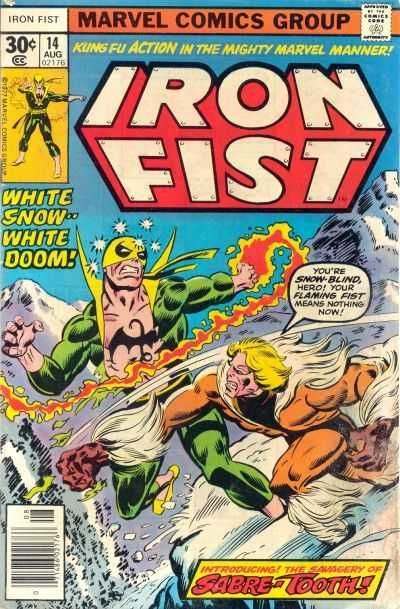
First Appearance: Iron Fist #14 (1977) Sabretooth helped define darker X-Men storytelling as a brutal counterpoint to Wolverine, establishing a rivalry rooted in shared history and personal trauma. His debut hinted at a long-term conflict that would resurface again and again across Marvel continuity. His feral design and predatory demeanor mirrored his psychology, making him feel less like a villain and more like an ever-present threat. That dynamic carried beyond comics into animated series and live-action films, where Sabretooth repeatedly served as one of Wolverine’s most persistent and personal adversaries.
Cerebus the Aardvark
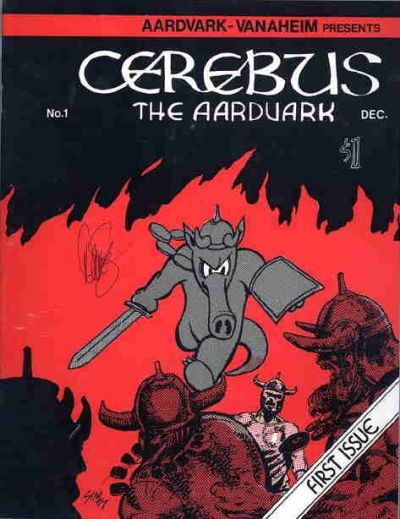
First Appearance: Cerebus the Aardvark #1 (1977) Created by Dave Sim, Cerebus proved that creator-owned, self-published comics could thrive long-term in an industry dominated by major publishers. What began as a modest and experimental debut grew into a series that ran for 300 issues, a milestone few independent titles had ever reached. The evolving art style and shifting tone reflected Sim’s long-term ambition and creative control. Cerebus held the distinction of being the longest-running independent comic series until it was eventually surpassed by Spawn, cementing its lasting influence on independent publishing.
Elfquest
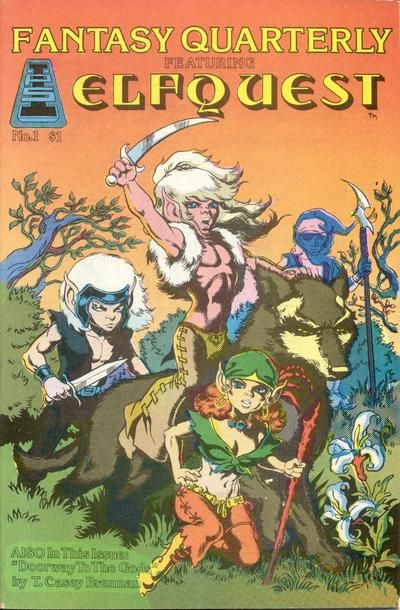
First Appearance: Elfquest #1 (1978) Elfquest proved that creator-owned fantasy comics could thrive outside Marvel and DC, driven by the long-term vision of Wendy and Richard Pini. Its debut did not rely on instant mass appeal but instead built a devoted cult following through word of mouth and consistency. The expressive art style emphasized emotion, relationships, and immersive world-building. Over time, Elfquest became a landmark independent success and a lasting example of how passion-driven comics could succeed on their own terms.
Black Cat (Felicia Hardy)
First Appearance:Amazing Spider-Man #194 (1979) Black Cat blended crime, romance, and moral ambiguity into Spider-Man’s world, standing out immediately through confidence, danger, and undeniable sex appeal. Her debut was memorable, with a visual identity that balanced charm and threat rather than traditional villainy. That appeal nearly carried over to live action in The Amazing Spider-Man 2, where Felicia Hardy was introduced but ultimately left unused as Black Cat. Given her lasting popularity and adaptability, it feels less like a question of if and more when Black Cat finally makes her full debut in live-action storytelling.
This list is meant to spotlight the characters that helped define the 1970s Bronze Age, not rank them against one another. Each of these debuts played a role in reshaping comic book storytelling, from cosmic epics and street-level grit to horror and social commentary.
If you’d like to hear more about many of these characters, be sure to check out the IzzyVerseNYC YouTube channel, where we talk through their importance, first appearances, and lasting impact on the comic industry—while having some fun along the way.
As always, comments are welcome. If there’s a character you feel should be included or one we may have missed from the Bronze Age, I’d love to hear your thoughts and keep the conversation going.
Nice article. 2000ad 2 Judge Dredd is an important British comic Issue 1 and it's former Action 1 are extremely important and not given their dues. Would luv to see an article about them.
Thanks, Etrigan. I personall love Judge Dredd and would like more of his comics in the states. What other British properites are you interested? Best
Mike Grell's Warlord (1975)
Awesome choice!
All early 2000ads before they changed the format size and better quality paper. It's forerunner was UK Action 1 which for its time the weekly was eventually banned for the so called violent stories that were loved by everyone who bought the comic at the time. UK Action issues were exciting and are rife like 2000ad for tv/movie adaptations. I never see write ups for these British comics. We did have UK Marvel pulp weeklies in the 1970s which were reprints and imported US DC and Marvel on the shelfs at my local newsagent.
The American reprints from the early 80’s are great. The bolland covers are beauts.
Bolland is a great artist. I do have a, on first day release in London UK , Cursed Earth Uncensored hardback. Signed by himself and Mick McMahon that I personally queued for a few years ago. Polite and considered both. 2000ad had Invasion with Bill Savage fighting the good fight. Although different plotting does remind me a little bit of the movie Bushwick.