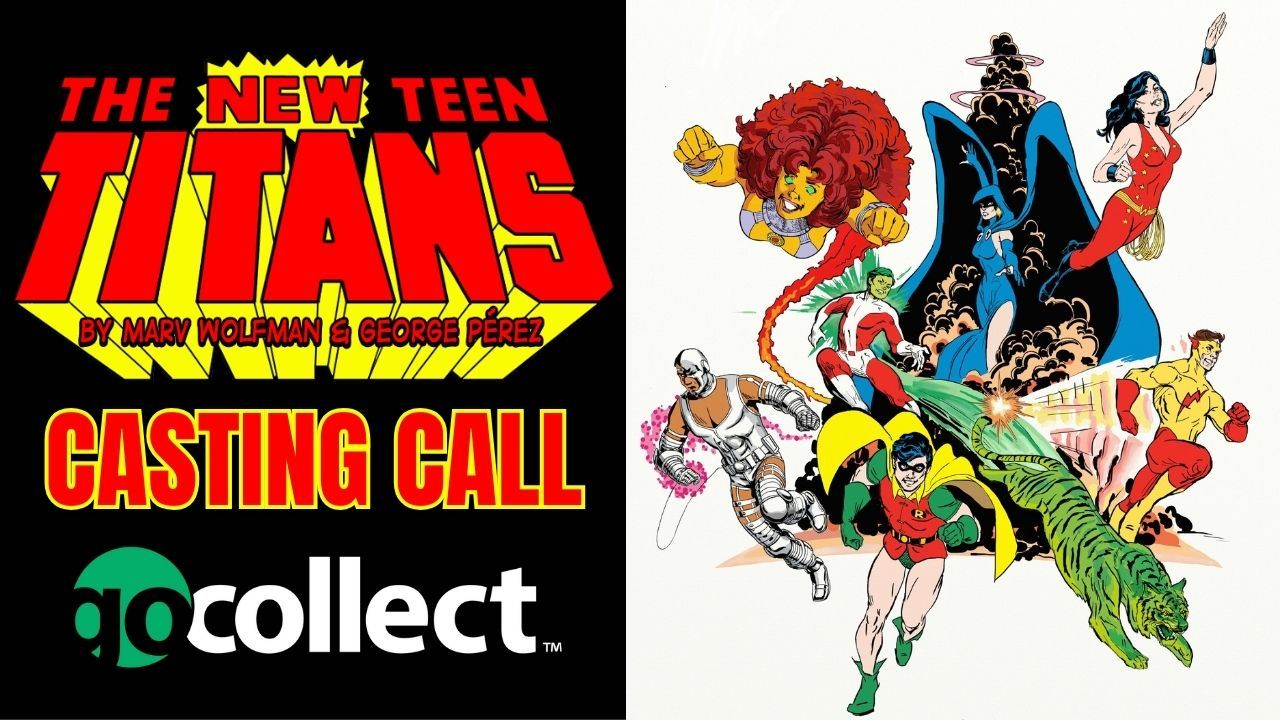
Some comic teams never really go out of style — they just wait for the right moment to hit the spotlight again. The Teen Titans are one of those rare properties that can pull in every kind of fan at once: people who grew up with the classic runs, the cartoon era, the New 52 crowd, and the readers who only know the characters from pop culture and that catchy K-Pop song.

But the Titans aren’t just popular — they’re important. And a huge part of that comes down to the creative dream team of Marv Wolfman and George Pérez, who in the 1980s didn’t just refresh the lineup… they redefined what the Titans could be. The New Teen Titans became DC’s answer to the X-Men, giving readers a young superhero team that could do everything — street-level drama, fantasy, sci-fi, space adventures, and the supernatural including the occult tone that made the series feel different from most team books.

So yes — a Teen Titans casting call is a great gateway into the conversation. But the real story is what happens to the marketplace when Titans momentum becomes real.

Some of these picks were pulled from a poll we ran a few weeks back from my YouTube channel, IzzyVerseNYC. No, we may not have the budget to make every choice happen — but that’s the whole point of fan casting. It gets the conversation going. While collectors quietly keep an eye on the books that would react first.


This is where we begin...

Before we get into individual characters, Teen Titans collecting has a few pillars that always matter — because they represent the franchise at its biggest turning points:
4b66bf27f3add1f7227fbd9a05215f57af2d0c08.jpg

af859a8b6077f94482e10a26c4733bcf60c3f57c.jpg

dc-comics-presents-26.jpg

n.jpg

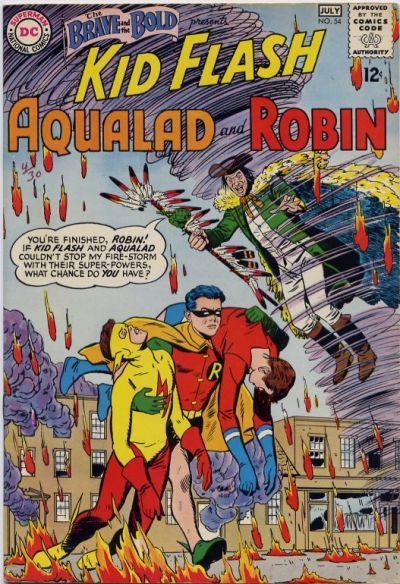
The Brave and the Bold #54 (1964) is where the Teen Titans truly begin, marking the first appearance of the team and proving DC’s legacy sidekicks could stand on their own as a real squad. By bringing together familiar young heroes under one banner, it created the blueprint DC would build on for decades — and it’s the same reason a Titans movie makes so much sense today: instant history, instant chemistry, and a built-in fanbase. For collectors, this is a foundational Silver Age key that doesn’t need hype to matter, but if Titans ever becomes a true DCU priority, this is one of the first books the market will circle back to.

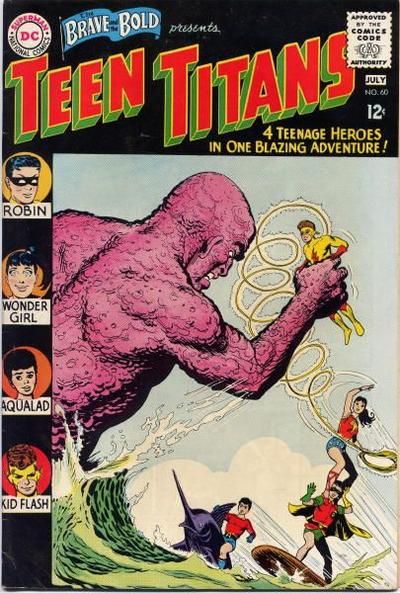
The Brave and the Bold #60 (1965) is a major early Titans book because it’s not just another team-up — it’s the issue where the group is officially named “Teen Titans.” That might sound small, but it’s a true franchise-defining moment, because it locks the concept into place and gives the team its identity moving forward. For collectors, this is the kind of Silver Age key that becomes even more important when the Titans are back in the spotlight, because it’s part of the foundation the entire brand is built on.

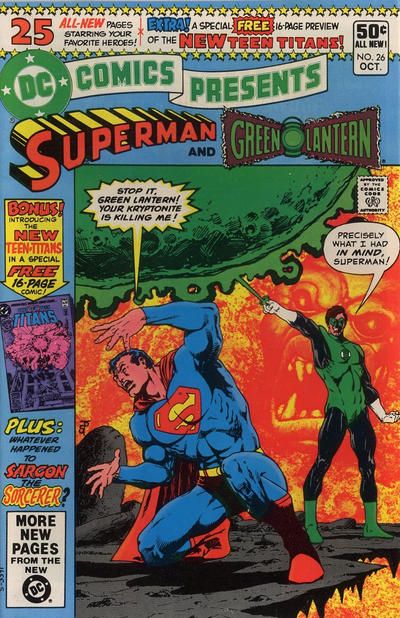
DC Comics Presents #26 (1980) is one of the most important Titans books in the entire conversation, and while we’ll get into the first appearances tied to this issue in a bit, the bigger reason it matters is what it does for Titans lore. This is the book that helps define the modern team’s identity and sets the tone for the Wolfman/Pérez era — the moment the Teen Titans stop feeling like a legacy sidekick squad and start feeling like a true franchise with its own world, its own style, and its own future.

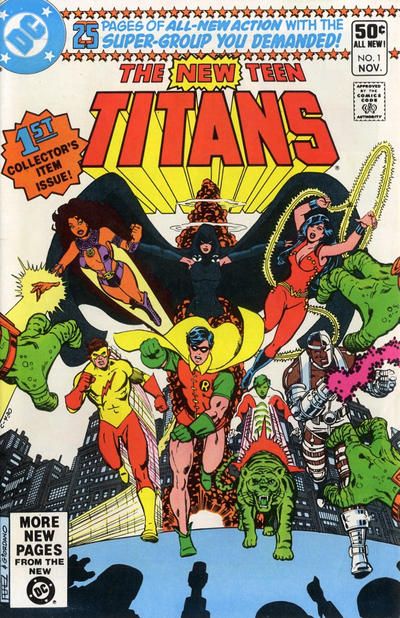
The New Teen Titans #1 (1980) is the ignition switch for the Titans era, and the book that turned the team into a true powerhouse franchise. This is where the Wolfman/Pérez run officially takes off, setting the blueprint for what most fans think of when they hear “Teen Titans” — bigger stories, stronger character drama, and a roster that could carry its own mythology without leaning on the shadow of the Justice League. If a Teen Titans movie ever becomes a real DCU priority, this is one of the first books the market will chase because it represents the moment the Titans became iconic.

Those books don’t just sit in the background. They’re the ones that usually lead the charge when Titans attention starts building.


The Teen Titans Character Keys That Matter Most
(Plus Our Fan Casting Picks)

Now that the foundation is set, this is where the collector energy really kicks in — the first-appearance keys that define the core Teen Titans lineup. These aren’t just “nice to own” books. They’re the issues that carry the DNA of the franchise, and they’re usually the first ones to heat up the moment a Titans movie starts feeling real. And since fan casting is the gateway into the conversation, we’re pairing each key with our casting pick — because once the casting talk turns into real momentum, these are the character books collectors hunt down fast.

The Founding Members

Dick Grayson (Robin/Nightwing)
Key Issues:
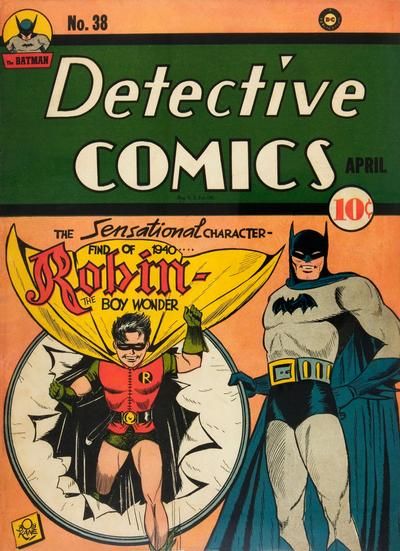
Detective Comics #38 (1940) as Robin
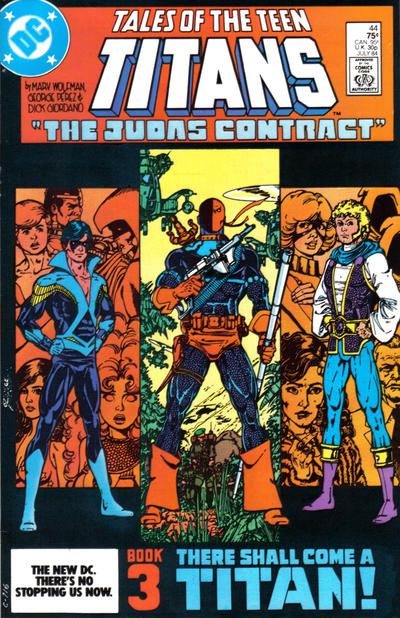
Tales of the Teen Titans #44 (1984) as Nightwing

Every version of the Titans that matters starts with Dick Grayson, because he’s the bridge between legacy and leadership. Robin gives the team its “DC history” credibility, but it’s the evolution into Nightwing that makes Titans feel like their own world instead of a sidekick club. If the DCU ever wants the Teen Titans to feel like the future, Dick is the anchor that makes it believable — and that’s why his key books don’t behave like a normal team character. They behave like franchise pillars.

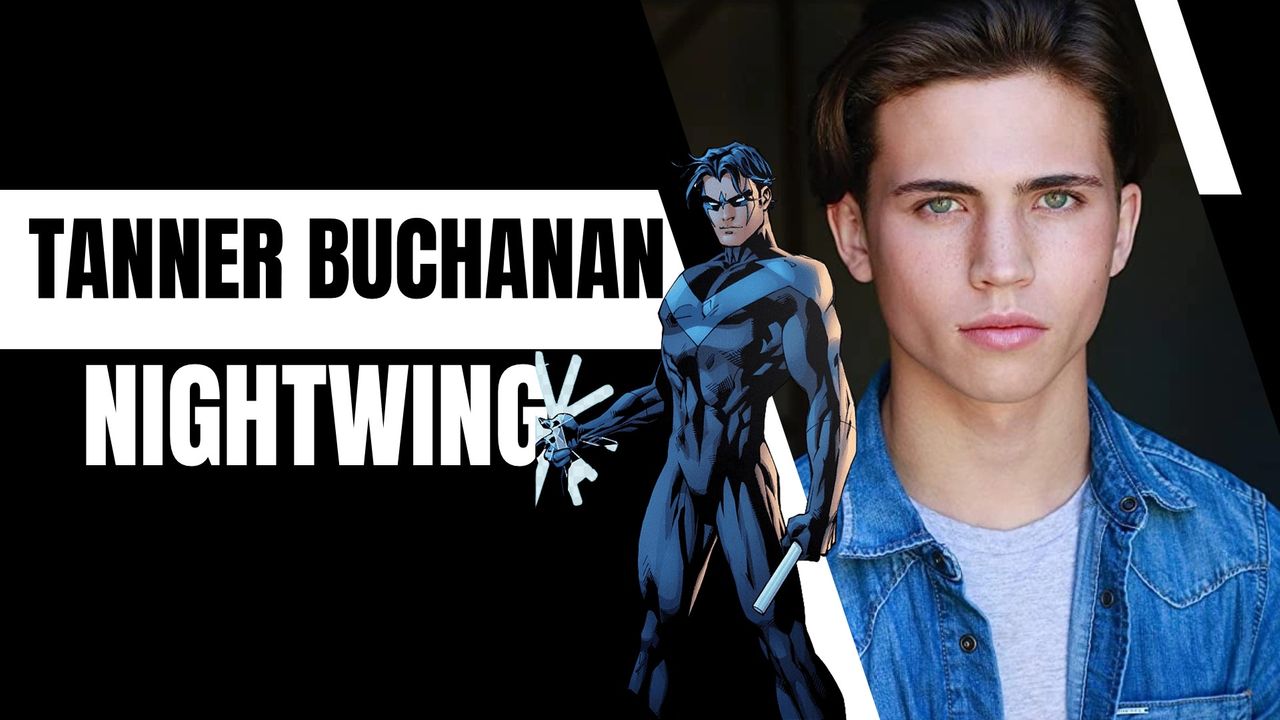
Fan Cast: Tanner Buchanan
Tanner Buchanan feels like a strong pick for Robin/Nightwing (Dick Grayson) because he’s already proven he can play the exact mix this role needs: athletic, disciplined, and believable in a fight, while still carrying real emotion under the surface. In Cobra Kai, he shows he can handle physical choreography and sell intensity without feeling stiff, and he’s got that “young leader in the making” energy that fits Dick’s arc—from sidekick with something to prove to the guy who can step up and lead a team. He also has the kind of clean, heroic screen presence that reads “DC,” which is huge for a character who needs to feel like a future icon, not just Batman’s former partner

e1b73c8a12d90c4eb91b355add0450df45ba189a.jpg

88c66be2212f08b70c3d04fbb1097437d472e83a.jpg

Kid Flash (Wally West)

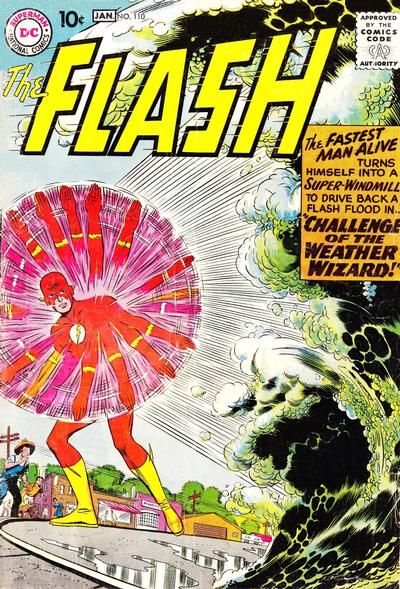
Key Issue: The Flash #110 (1959)

Kid Flash gives Titans that generational “next chapter” energy DC has always done well. Wally West isn’t just a team member — he’s a legacy character with real history behind him. That’s what makes this key interesting: it doesn’t feel like a random “Titans book.” It already carries collector respect, and Titans momentum would simply add fuel to something that’s already strong.

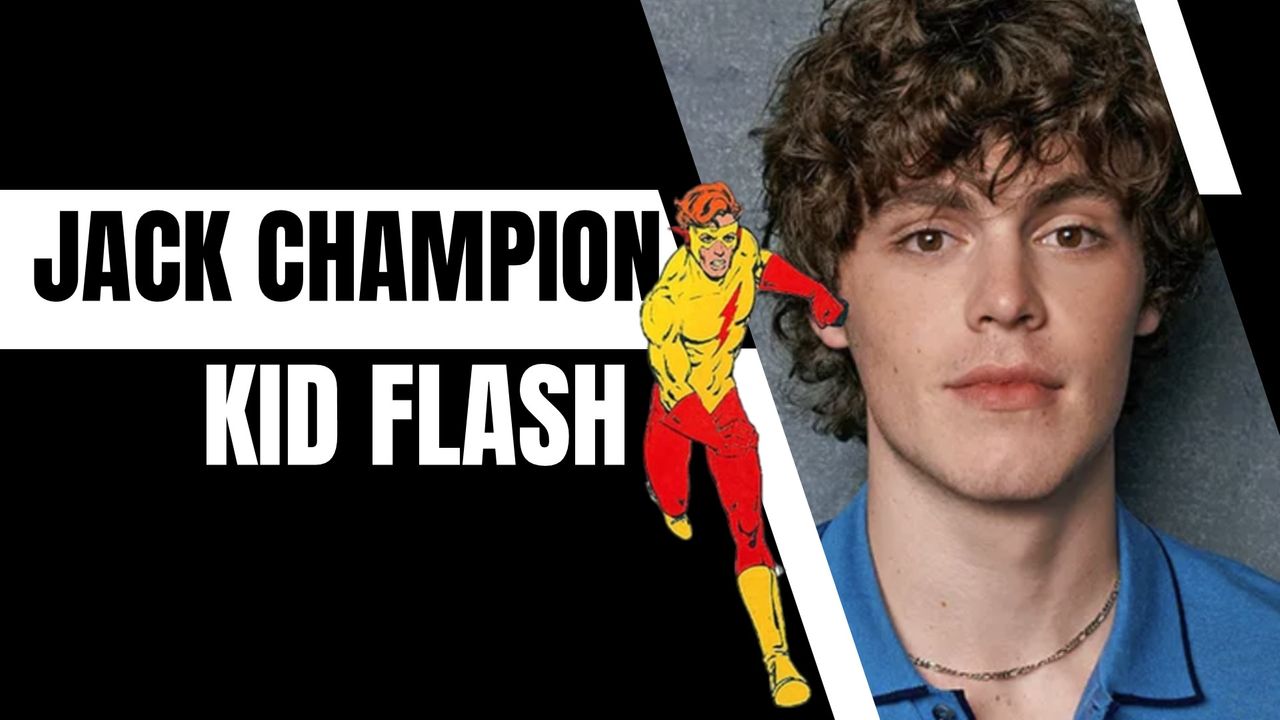
Fan Cast: Jack Champion
Jack Champion is a great for Kid Flash (Wally West) because he already gives off that fast-talking, high-energy, “I can’t stand still” vibe Wally needs — plus he can carry real emotion when the story turns serious. In Avatar he plays a character who’s constantly in motion, reacting on instinct, and holding his own in big action moments, which lines up perfectly with the physical side of Kid Flash. And in Scream, he shows he can handle tension, pacing, and quick shifts in tone — which matters for Wally, since he’s often the lighter spark of the team but still has to feel real when the stakes hit.


e3c98bb896e5aad7eafa07f9a3273c7a8aef456e.jpg

269.jpg

Aqualad (Garth)

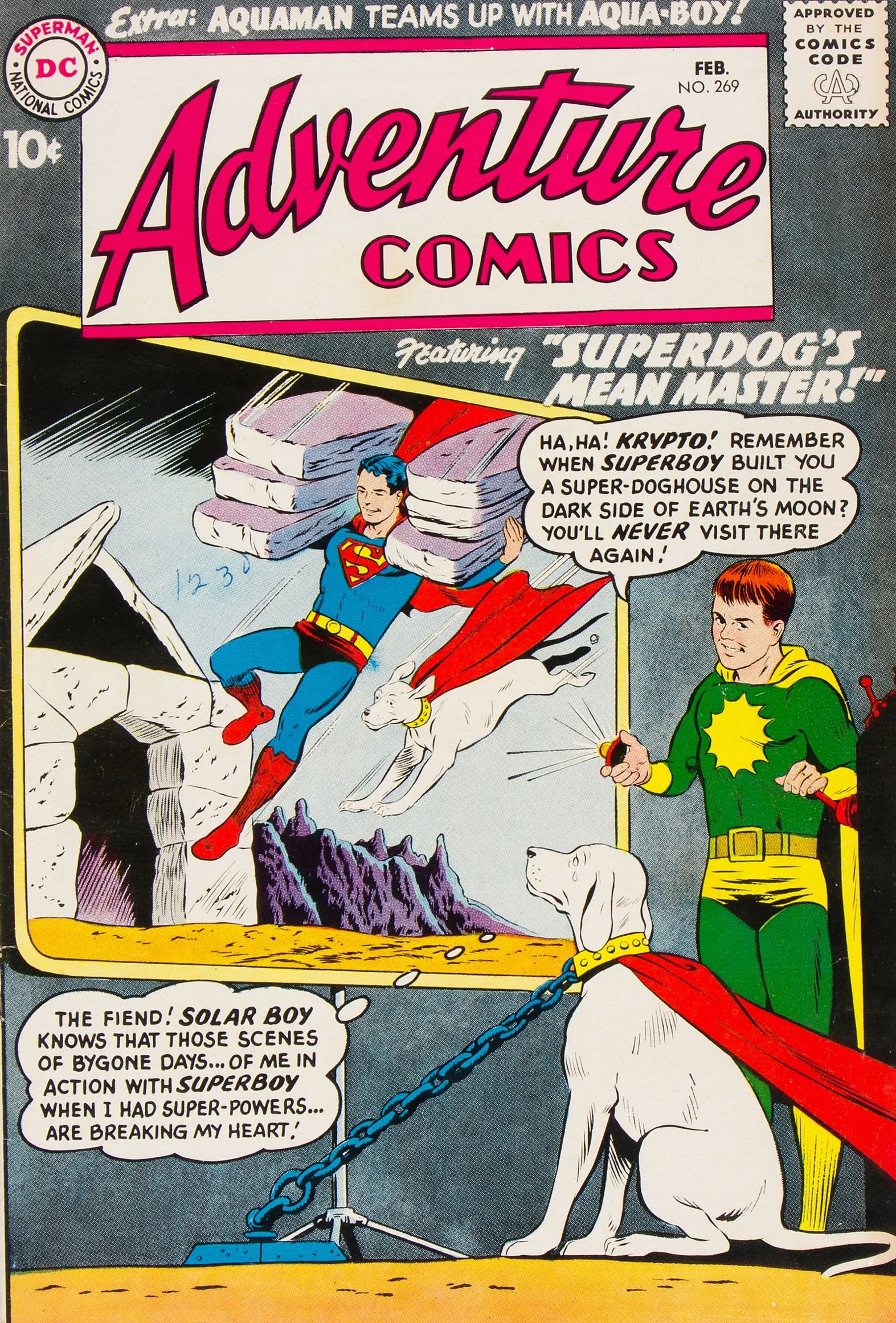
Key Issue: Adventure Comics #269 (1960)

Aqualad doesn’t always get brought up first, but he matters because he represents what the Titans really are: DC’s legacy sidekicks forming their own identity. That concept is exactly what a Teen Titans movie would lean into. Market-wise, Aqualad is the kind of character that could jump fast if the spotlight ever hits — because he’s still underused in mainstream media compared to the rest.

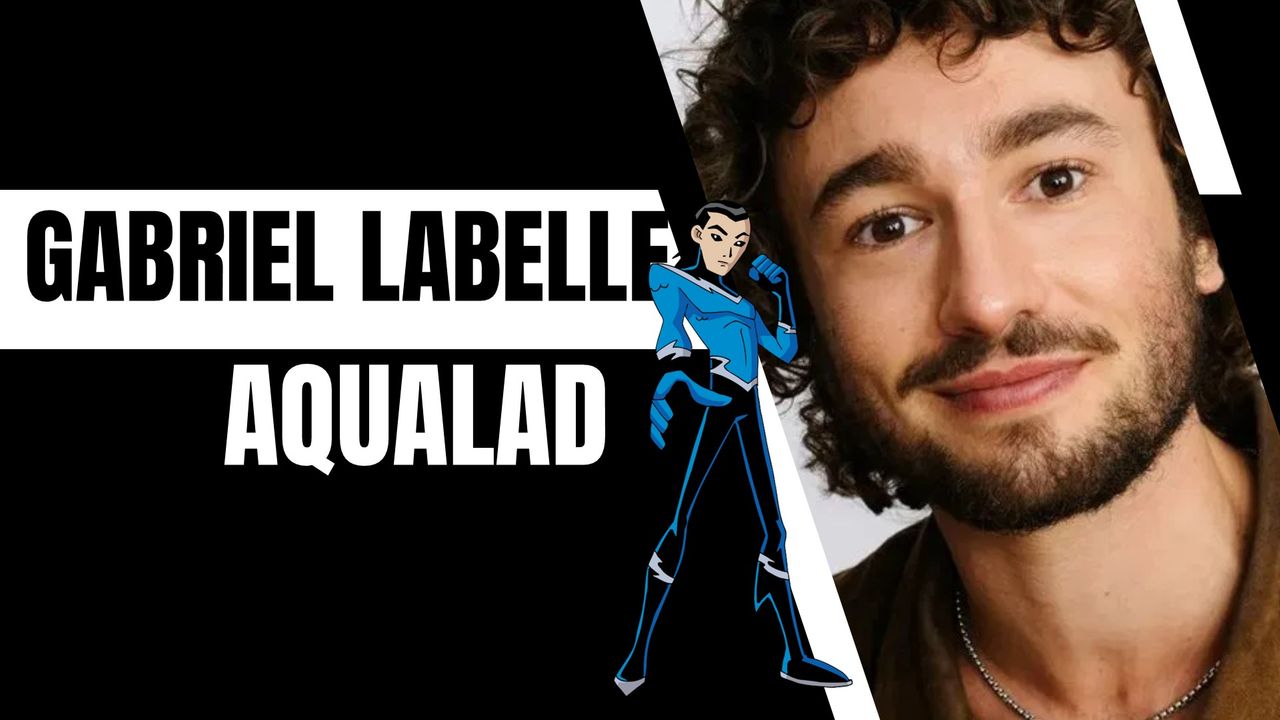
Fan Cast: Gabriel LaBelle
Gabriel LaBelle is a strong pick for Aqualad (Garth) because he can project that “good-hearted but capable” energy Aqualad needs — the kind of hero who feels dependable even when he’s still finding his place on the team. In The Fabelmans, he shows a natural, grounded presence and a lot of emotional control, which is perfect for a character who shouldn’t feel loud or flashy, but still has real depth. Aqualad works best when he feels like the steady one in the room — calm under pressure, loyal to the team, and quietly brave — and LaBelle has already shown he can sell that kind of sincere, likable hero vibe without overplaying it.


Speedy (Roy Harper)

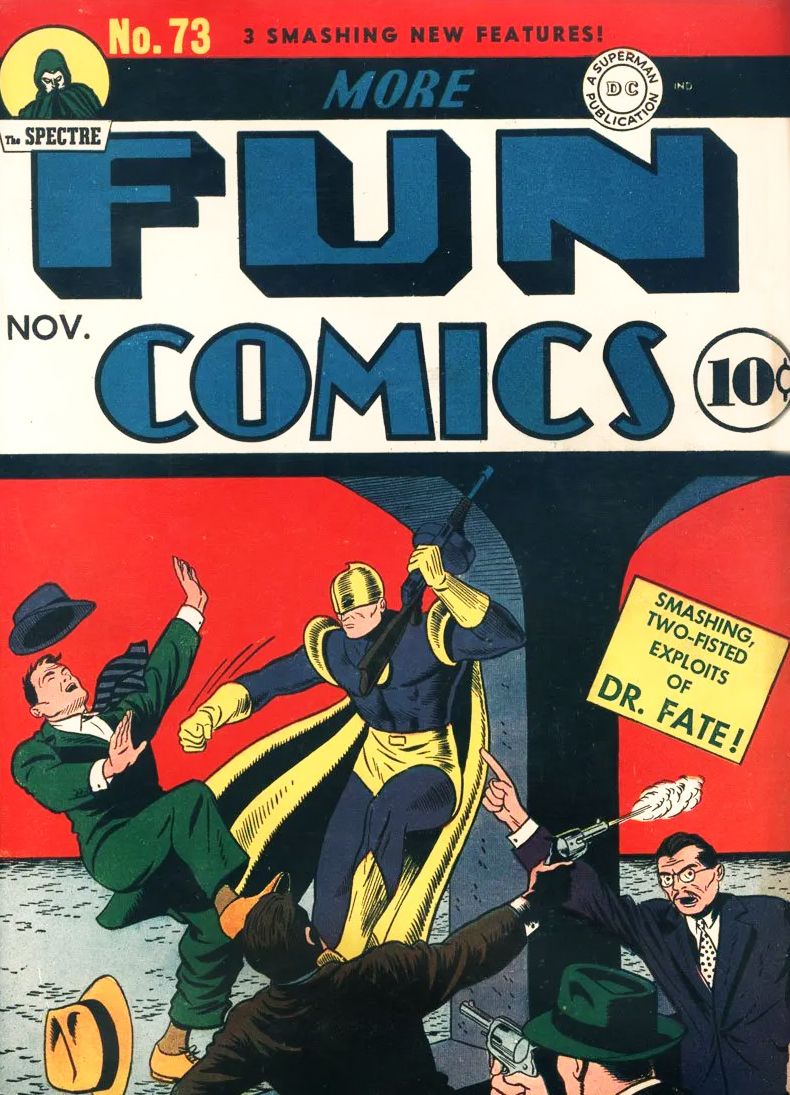
Key Issue: More Fun Comics #73 (1941)

Speedy is an underrated market name because he connects multiple collector worlds at once: early DC history, Green Arrow legacy, and Titans roots. That overlap gives the book weight beyond a single franchise moment. If Speedy ever gets the on-screen upgrade into a true Teen Titans lineup, this key won’t feel like “new heat.” It’ll feel like a legacy book suddenly being recognized for how much it matters.

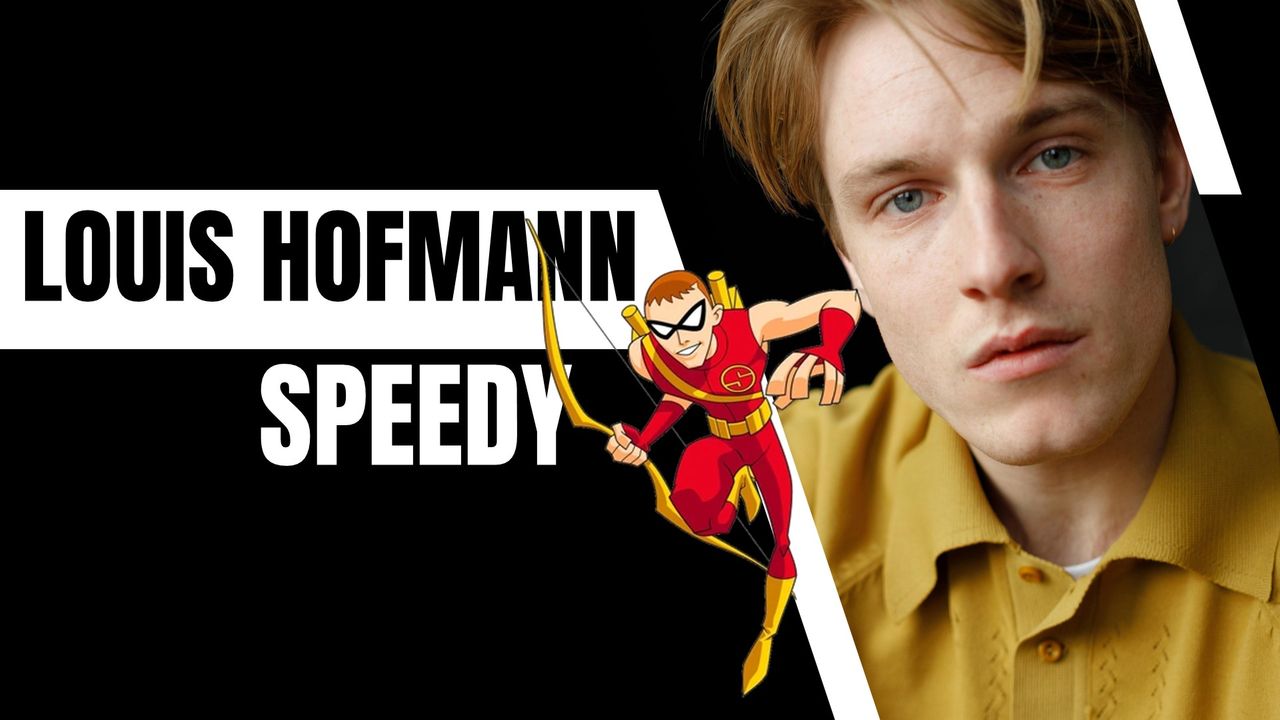
Fan Cast: Louis Hofmann
Louis Hofmann is a perfect pick for Speedy (Roy Harper) because he’s great at playing characters who look calm on the surface but are carrying a lot underneath — and that’s Roy in a nutshell. In Dark (Netflix), he proves he can handle layered emotion, inner conflict, and that “trying to keep it together” energy without needing big speeches. Speedy works best when he feels like a real person on a superhero team: skilled, a little intense, and sometimes rough around the edges, but still someone you want to root for. Hofmann’s style fits that grounded, dramatic angle, especially if a Titans movie wants Roy to feel more street-level and human next to the bigger powers on the roster.


73.jpg

af859a8b6077f94482e10a26c4733bcf60c3f57c.jpg

Wonder Girl (Donna Troy)

Key Issue: The Brave and the Bold #60 (1965)

Donna Troy is Titans DNA. She’s a character fans want done right because she represents the heart of the team across decades. From a collector standpoint, Donna has upside because she hasn’t been fully “claimed” by mainstream audiences the way some Titans have. If a movie ever nails Wonder Girl, collectors won’t treat it like a new discovery — they’ll treat it like the hobby finally waking up to something that’s been important the entire time.

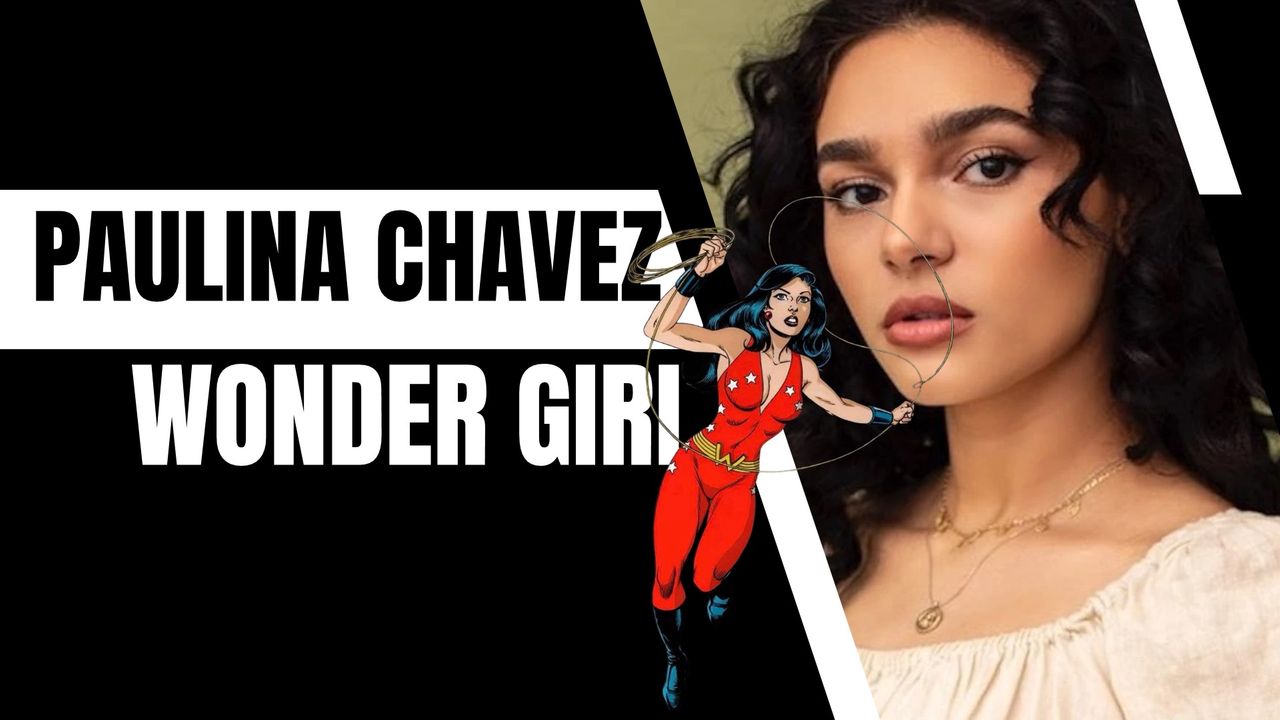
Fan Cast: Paulina Chavez
Paulina Chavez is Wonder Girl (Donna Troy) because she brings that mix of confidence and heart that Donna needs — someone who can feel heroic without feeling distant. In roles like Ashley Garcia (Netflix) and Fate: The Winx Saga, she shows a strong on-screen presence, quick chemistry with an ensemble cast, and the ability to balance warmth with edge when the story calls for it. Donna works best when she feels like the steady core of the team — capable, loyal, and not afraid to step up — and Chavez has the kind of grounded charisma that can make Wonder Girl feel relatable while still reading as a future icon.


The New Teen Titans

In the 1980s, The New Teen Titans didn’t just refresh a team — it became a franchise powerhouse, thanks to the creative one-two punch of Marv Wolfman and George Pérez. Their run gave DC a book that could do everything at once: big superhero action, real character drama, long-form story arcs, and threats that ranged from street-level to supernatural and cosmic. It’s why fans still call it DC’s answer to the X-Men — a young team book built on personalities, conflict, growth, and a world that felt like it belonged to the Titans, not just borrowed from the larger DC Universe.

Beast Boy (Garfield Logan)

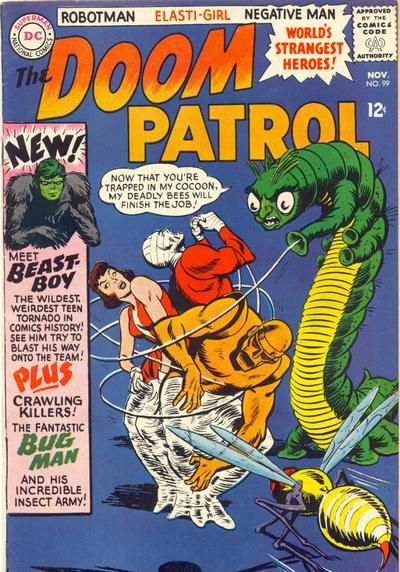
Key Issue: Doom Patrol #99 (1965)

Beast Boy is the definition of a character who found his true home later. Yes, he begins in Doom Patrol, but the Titans are where he becomes iconic. That’s why collectors keep circling this book. It’s a real first appearance tied to a character who consistently shows up in animation, media, and pop culture. And when you combine mainstream popularity with a solid early key, the market tends to treat that character like a long-term hold — not just a quick spec.

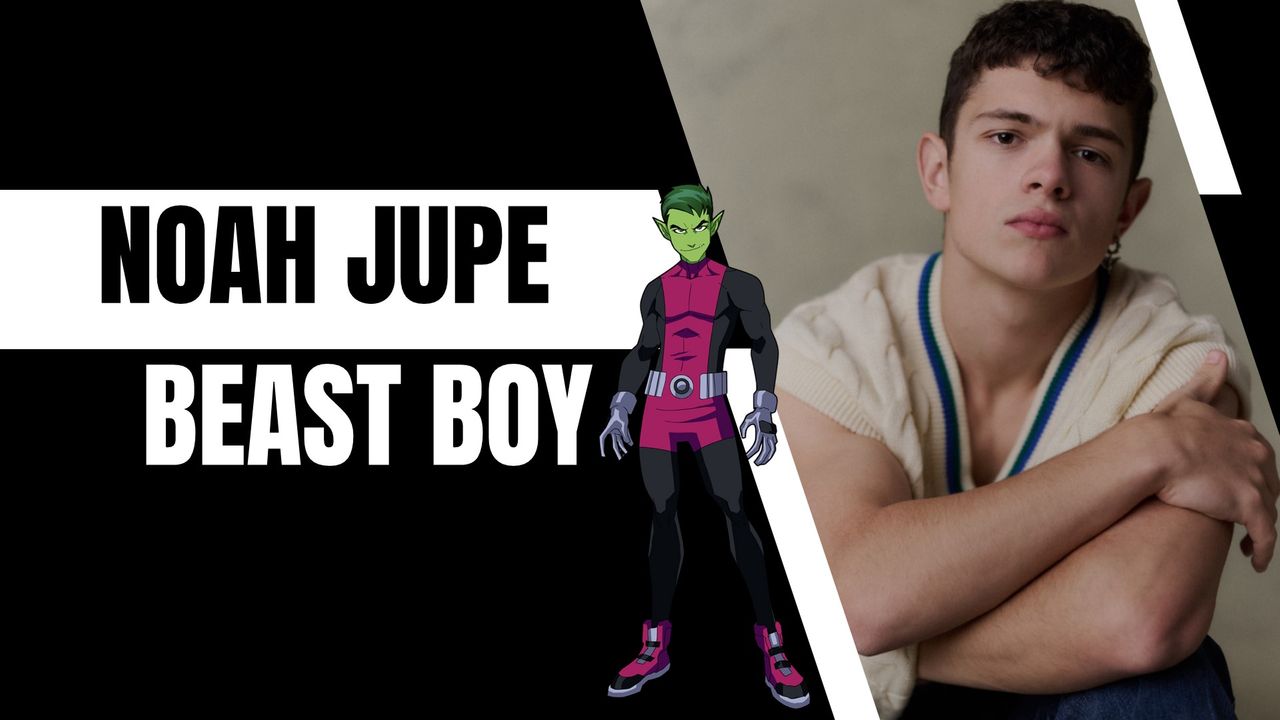
Fan Cast: Noah Jupe
For Beast Boy (Garfield Logan), Noah Jupe works because he has that rare “funny without forcing it” quality, but he can also flip to serious the second the story asks for it. In A Quiet Place, he sells fear and urgency without overacting, and in Honey Boy he shows he can carry emotional weight and vulnerability — which is important for Gar, because underneath the jokes is a kid who’s been through a lot. Beast Boy shouldn’t feel like a walking punchline; he should feel like the guy keeping the team’s mood alive, while still having real moments when the mask drops — and Jupe has already proven he can play both sides of that.


cef915e797839821bdc4aa52809e0de63d3a68a2.jpg

dc-comics-presents-26.jpg

DC Comics Presents #26 (1980)

Key Issue: DC Comics Presents #26 (1980)

This is one of the most important Titans books to own because it isn’t just a key — it’s a launchpad. It’s the issue that helped cement the modern Titans identity and created the kind of lineup fans still think of first when they picture the team.

Raven (Rachel Roth)
Raven changes the Titans instantly because she changes the tone. The minute she enters the picture, the Titans stop feeling like a simple superhero squad and start feeling like a story with darker layers and real emotional weight. Raven also opens the door to the supernatural side of the Titans, which is exactly the kind of angle a movie could build around. If Titans ever gets positioned as a major DCU project, Raven is one of those characters who can make the whole thing feel different from the typical team-up formula.

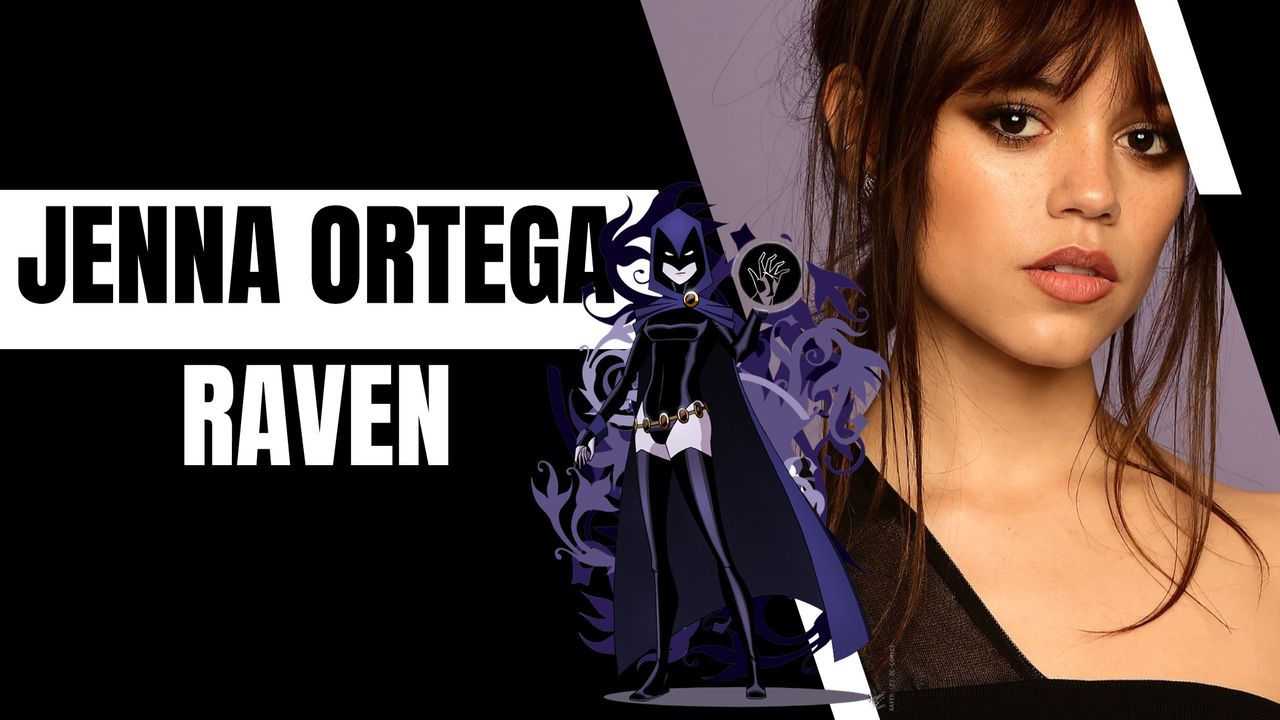
Fan Cast: Jenna Ortega
For Raven, you need an actor who can do “quiet intensity” without turning it into the same moody note over and over — and Jenna Ortega has already made that her lane. In Wednesday, she nails the deadpan control, the slow-burn emotion, and the feeling that there’s a storm behind the eyes even when she barely speaks. Then in films like Scream and X, she proves she can handle darker material, tension, and bigger emotional turns without losing the audience. Raven should feel restrained, guarded, and powerful — like she’s always holding something back — and Ortega’s whole screen presence is built for exactly that.

Cyborg (Victor Stone)
Cyborg is tragedy, sci-fi, and superhero action all in one character. He’s one of DC’s best examples of a hero who was built inside a team book but grew beyond it. That matters for collectors, because Cyborg interest isn’t limited to “Teen Titans fans.” He has wider DC value, and that’s the kind of character who can keep demand steady even when the hype cools down.

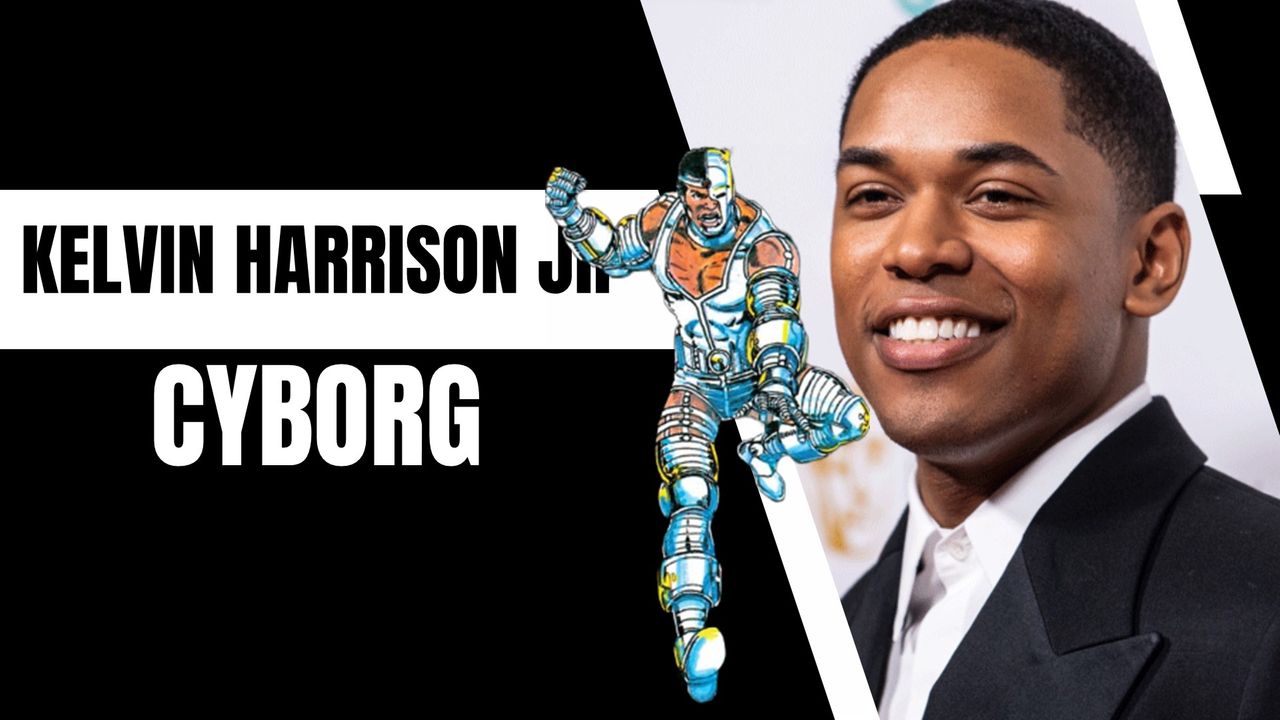
Fan Cast: Kelvin Harrison Jr.
Cyborg has to land two things at once: the human pain of Victor Stone and the larger-than-life presence of a hero who’s literally becoming something new. That’s why Kelvin Harrison Jr. is such a smart pick. In Waves, he delivers raw emotion and family pressure in a way that feels real, not “superhero dramatic.” And in The Trial of the Chicago 7 (and even the intensity he brings in Luce), you can see how he commands scenes without needing to be loud. Victor’s story works best when you believe the guy first — then the tech becomes the tragedy and the power-up. Kelvin can sell that.

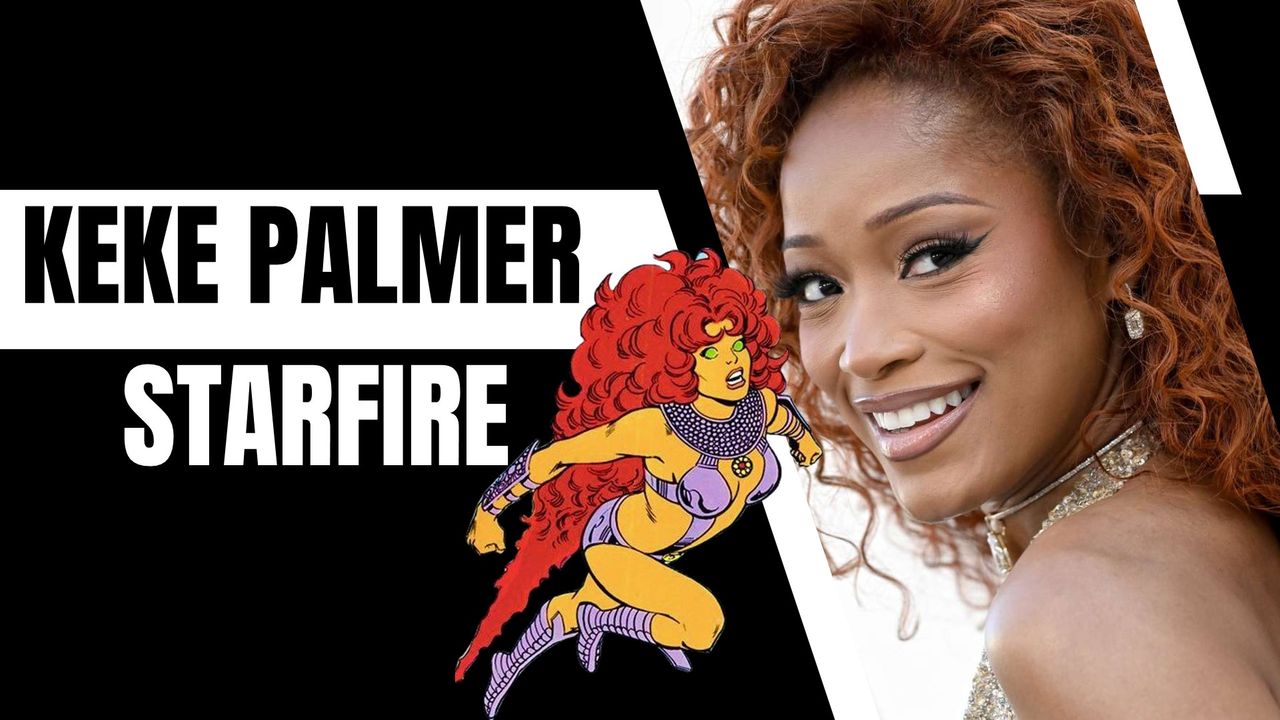
Starfire (Koriand’r)
Starfire is pure Teen Titans identity. Even casual fans recognize her look and presence, and that type of visibility matters in a movie-driven market. Starfire also brings the cosmic side of the Titans into focus — the kind of scale that expands the team beyond street-level action. When Starfire gets mainstream attention, Titans keys don’t just move because collectors react… they move because brand-new fans enter the market

Fan Cast: Keke Palmer
Starfire needs big charisma, but she also needs heart — because Kori can’t just be “the fun alien.” She’s warmth, optimism, and confidence, with a warrior edge underneath. Keke Palmer is built for that kind of role. She can own a scene with personality (you see it everywhere from Nope to her comedic work), but she also brings sincerity that doesn’t feel corny. Starfire should light up the team dynamic, bounce perfectly off Raven and Nightwing, and still feel believable when the action gets serious — and Keke has the range to do all of that without switching into a different person.

The Villains

Titans villains hit differently because they feel made for the Titans. They aren’t random bad guys passing through — they’re personal, dangerous, and built for long story arcs. If Titans ever heats up as a movie property, these are the villain keys collectors will chase early.

the-new-teen-titans-2.jpg

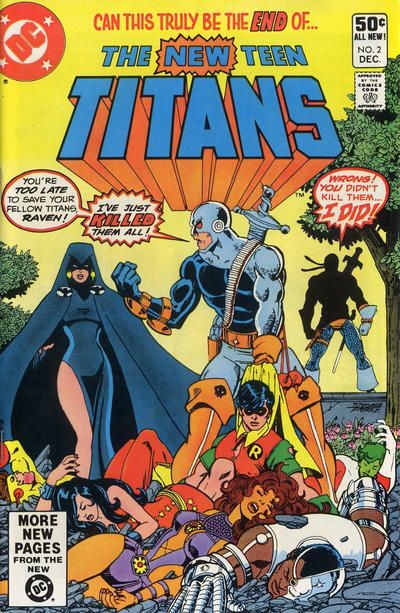
Deathstroke (Slade Wilson)


Key Issue:
The New Teen Titans #2 (1980)

Deathstroke is the villain that turns the Titans into a franchise that can compete with anybody. He isn’t a one-issue threat — he’s strategy, intimidation, and personal stakes all rolled together. That’s why New Teen Titans #2 remains one of the cleanest villain keys in modern DC. If Titans momentum becomes real, this book doesn’t slowly rise. It usually moves with intent.

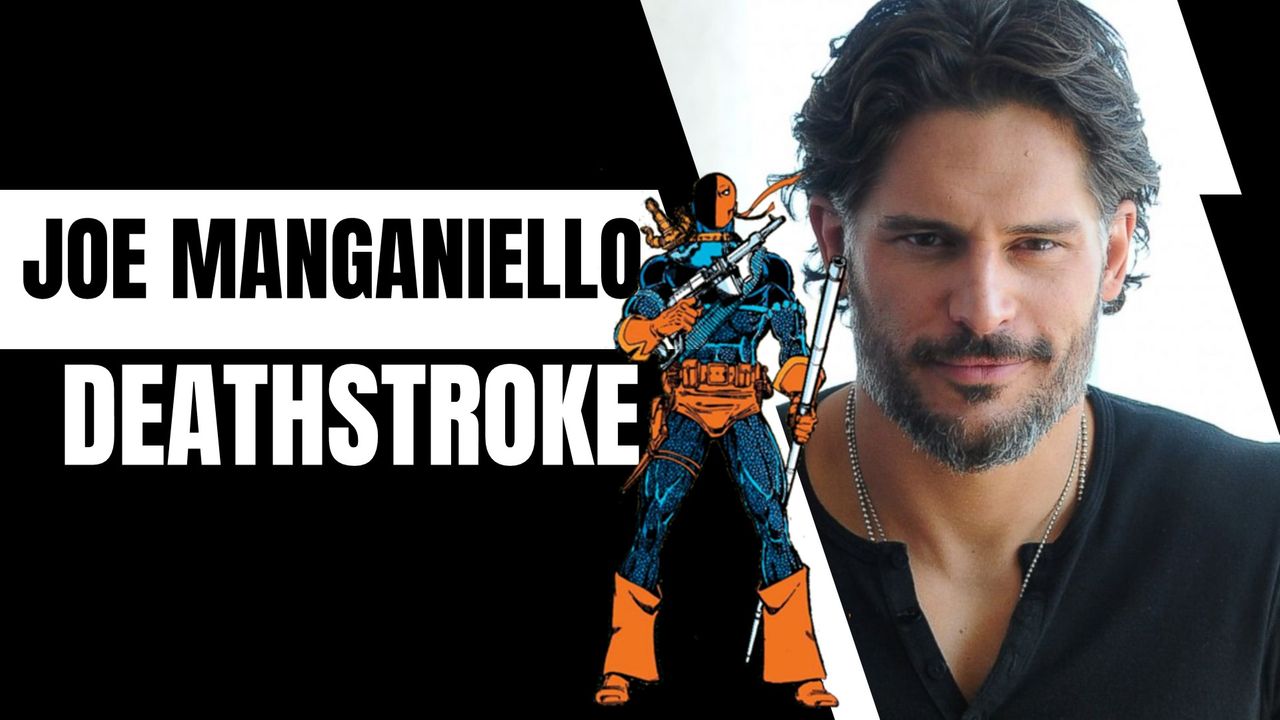
Fan Cast: Joe Manganiello
For Deathstroke the Terminator, this one’s a no-brainer: Joe Manganiello should get the chance to reprise the role he never really got to play out on screen. He already looks the part, but more importantly, he brings that calm, controlled menace Deathstroke needs — the kind of villain who doesn’t have to yell to feel dangerous. Between his physical presence (from projects like Magic Mike and his action work) and the sharp, intimidating edge he showed in True Blood, Manganiello has the right mix of soldier, strategist, and predator. A Teen Titans movie needs a villain who can make the whole team feel tested, not just punched around — and Joe feels like the cleanest “finally, let him cook” option.


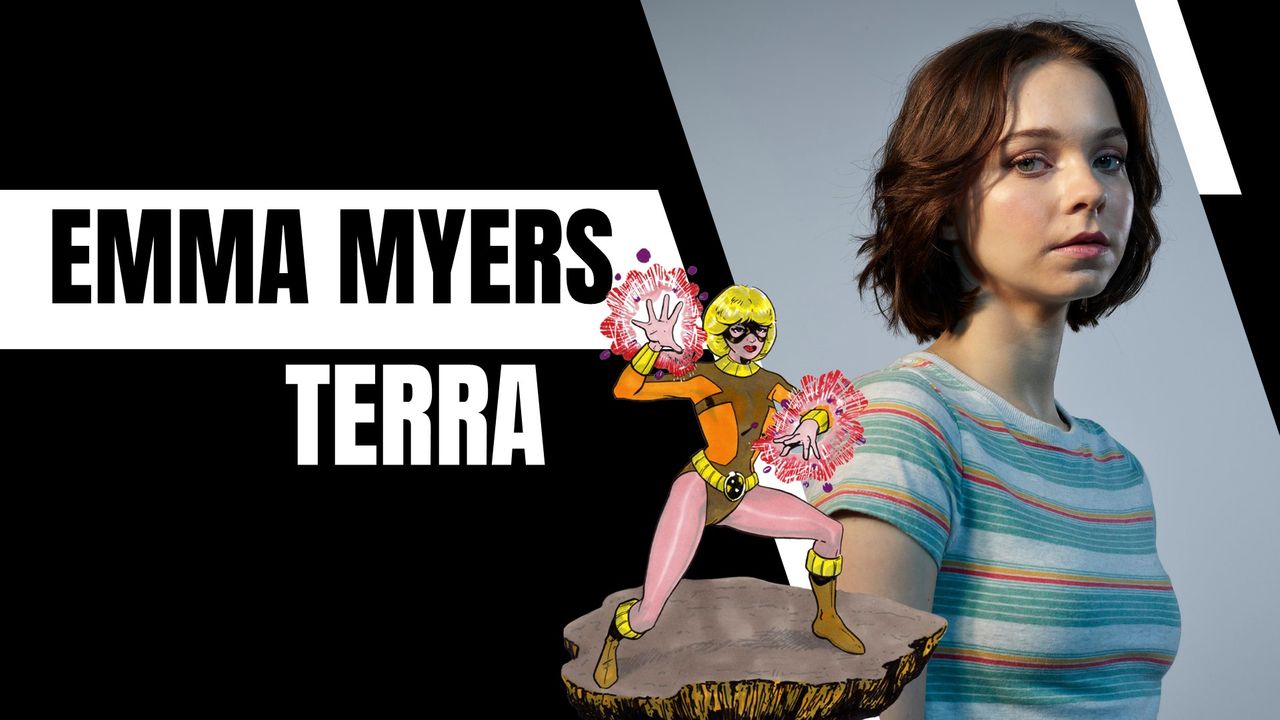
Terra
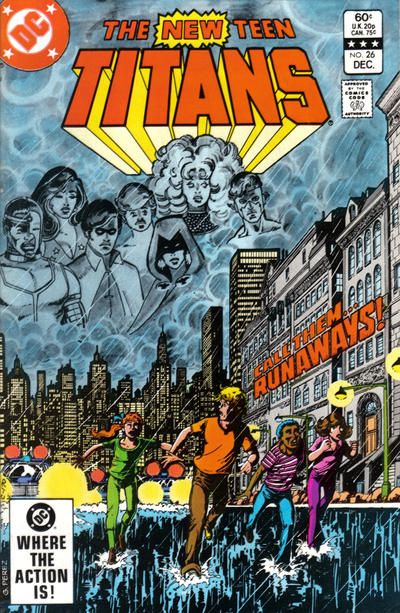
Key Issue: The New Teen Titans #26 (1982)

Terra is one of the most important Titans villains because she represents betrayal done right. Her story isn’t just action — it’s emotional damage that leaves a mark on the entire team. Collector-wise, this is a classic “movie-ready villain key” because the storyline potential is huge, and her role in Titans history is unforgettable. If Terra becomes part of a serious Titans film plan, this is the kind of book that collectors won’t wait on.


Fan Cast: Emma Myers
Emma Myers as Terra is a killer pick because Terra has to come in as likable and believable first — and then break your trust later. Myers showed in Wednesday that she can be warm, funny, and easy to root for without feeling fake, which is exactly how Terra should slip into the Titans’ world. But she also has that ability to shift tone fast when the scene turns sharper, and that’s the secret sauce for Terra: she’s not a mustache-twirling villain, she’s a character who can feel young, messy, and dangerous all at once. If the movie wants that classic Terra arc to hit emotionally, Emma has the right vibe to make the betrayal land.


2fc2a116f34a9f37f9b2bbd43b243a89b292c144.jpg

88c66be2212f08b70c3d04fbb1097437d472e83a.jpg

Jericho (Joseph Wilson)

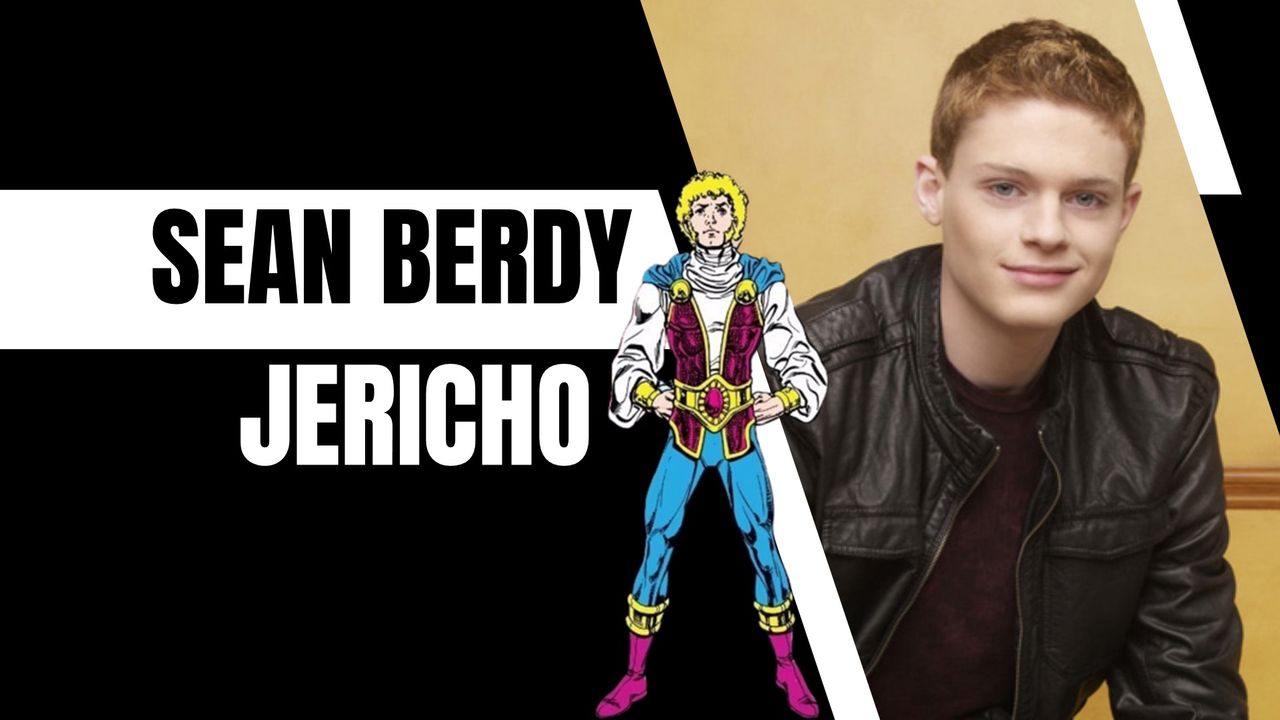
Key Issue: Tales of the Teen Titans #44 (1984)

Jericho is one of the most interesting Titans characters because he sits in that gray area — not a standard villain, not a simple hero, but someone deeply tied to Titans history and Deathstroke’s orbit. That personal connection gives him big-screen potential, and it also makes his key issue feel more important than people remember. If Jericho ever becomes part of a Teen Titans film storyline, collectors will treat it like a character the market slept on for way too long.

Fan Cast: Sean Berdy
Sean Berdy is a really smart for Jericho (Joseph Wilson) because Jericho’s power is all about presence — not big speeches. In Switched at Birth, Berdy proved he can carry emotion, tension, and even humor with subtlety, which is exactly what Jericho needs since he’s often the calmest person in the room… while being caught in one of the messiest family situations in Titans history. Jericho should feel gentle and dangerous at the same time — the kind of character you underestimate until you realize he’s the one who can change a scene instantly — and Berdy has the quiet intensity to make that land.


Doctor Light (Arthur Light)

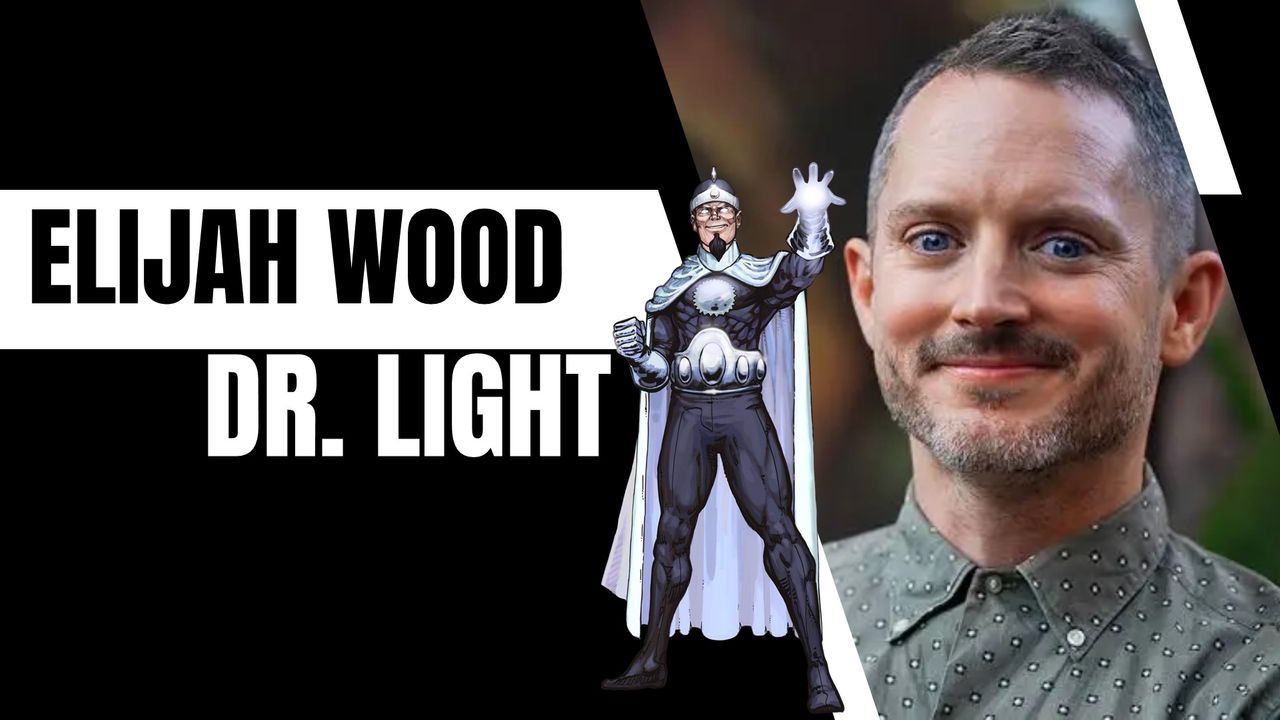
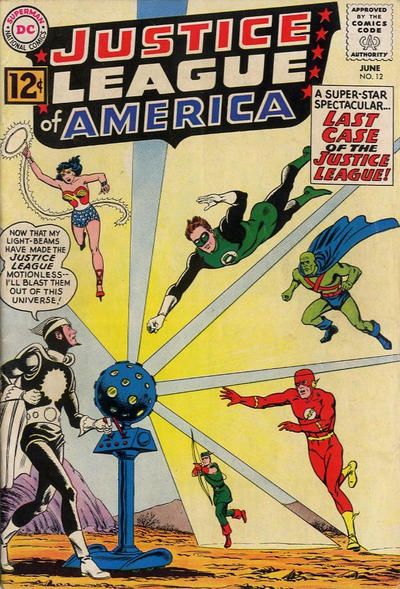
Key Issue: Justice League of America #12 (1962)

Doctor Light is a Titans villain with wider DC roots, which makes him a different type of market play. This isn’t only “Titans heat” — it’s a Silver Age villain first appearance with long-term collector value baked in. If Titans ever brings him into the spotlight, this book becomes the type that can pop because it already has a foundation… and then suddenly gets real demand.

Fan Cast: Elijah Wood
Doctor Light works best when he’s a showboat — the kind of villain who thinks he’s the star of the room, talks big, and acts like the Titans are beneath him… right up until things get dangerous. That goofy, ego-driven edge is exactly why Elijah Wood fits: he’s great at playing characters with a slightly off-kilter vibe, where the humor comes from how seriously they take themselves (you can see that in Wilfred and Dirk Gently’s Holistic Detective Agency). But the pick isn’t just comedy — Wood can absolutely turn the switch to unsettling when needed, and if you’ve seen him in Sin City, you know he can deliver that quiet, creepy menace that makes your skin crawl. That combination—goofy on the surface, scary underneath—is a perfect way to make Doctor Light feel memorable in a Teen Titans movie.


73cdd2c01d19ddaa4904b94962c5739226b50e8b.jpg

806512321256d415f2ce8e6f7c7df99c4c06c391.jpg

Brother Blood

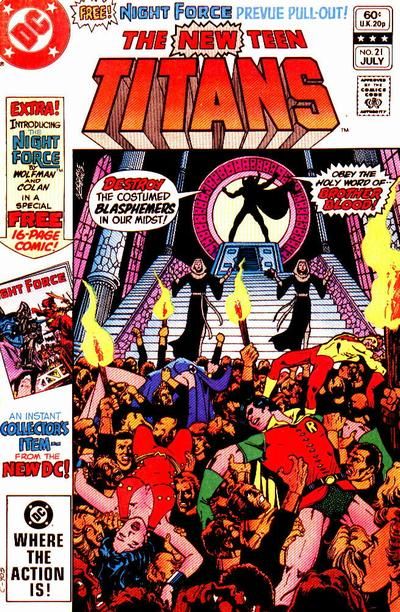
Key Issue: The New Teen Titans #21 (1982)

Brother Blood works because he’s not just a villain — he’s control, manipulation, and fear wrapped into a threat that feels different from the usual superhero punch-up. If a Teen Titans film wants a villain that feels unsettling and intense without needing a cosmic scale, Brother Blood is a strong option. And from a market standpoint, this is the kind of key that gets scooped quickly once the “what if” turns into real momentum.

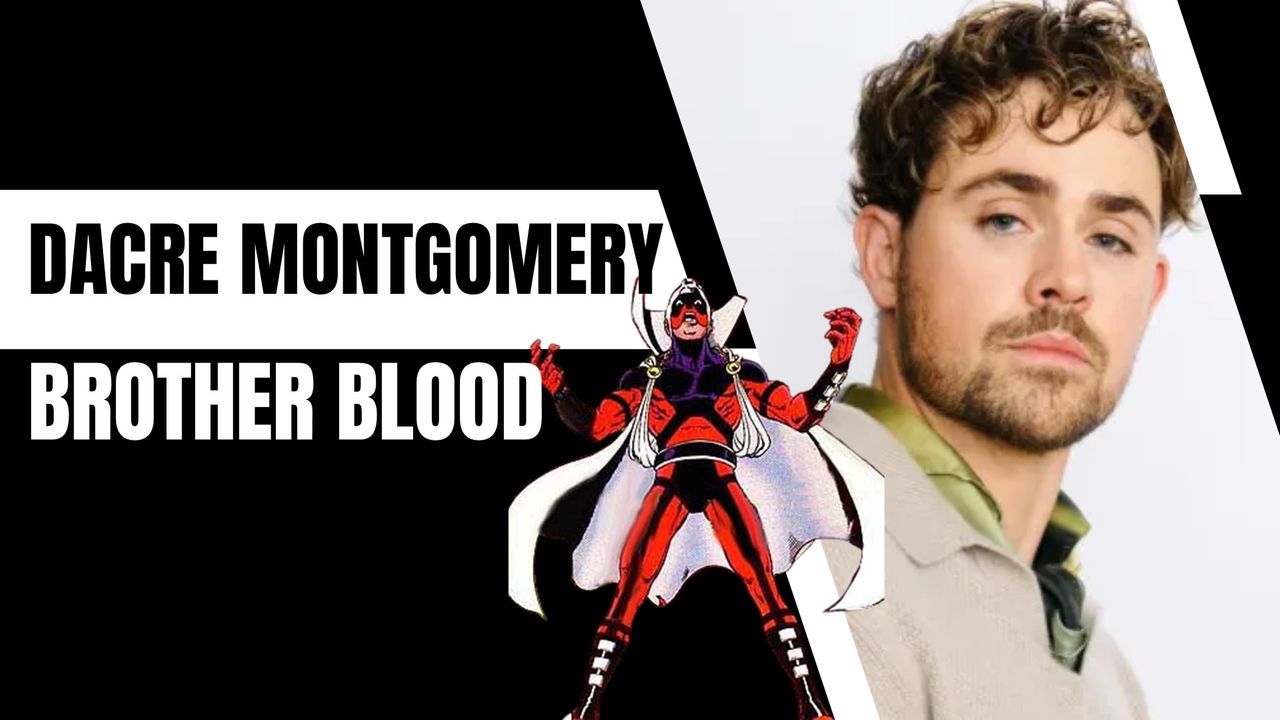
Fan Cast: Dacre Montgomery
Dacre Montgomery is Brother Blood because he already knows how to play a character who’s magnetic and threatening at the same time — the kind of guy who can walk into a room and start controlling it without raising his voice. In Stranger Things, he made Billy feel volatile and intense, but also weirdly charismatic, which is exactly the energy Brother Blood needs if you want him to feel like a true cult-style villain instead of a standard costumed bad guy. Brother Blood should feel like someone who can manipulate people, build followers, and get under the Titans’ skin emotionally — and Montgomery has the edge and screen presence to make that menace feel personal.


Trigon

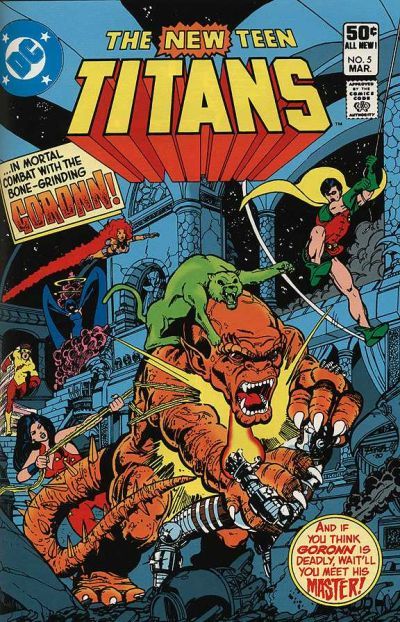
Key Issue: The New Teen Titans #5 (1981)

Trigon is the ultimate Titans-level threat because he turns the story into an event. He’s scale, horror, and apocalyptic energy — the kind of villain that makes the Titans feel like they belong on a bigger stage. If a movie leans into the supernatural side of Titans, Trigon is the type of villain who makes that direction feel massive, and the collector market usually reacts fast when a “final boss” villain gets serious attention.

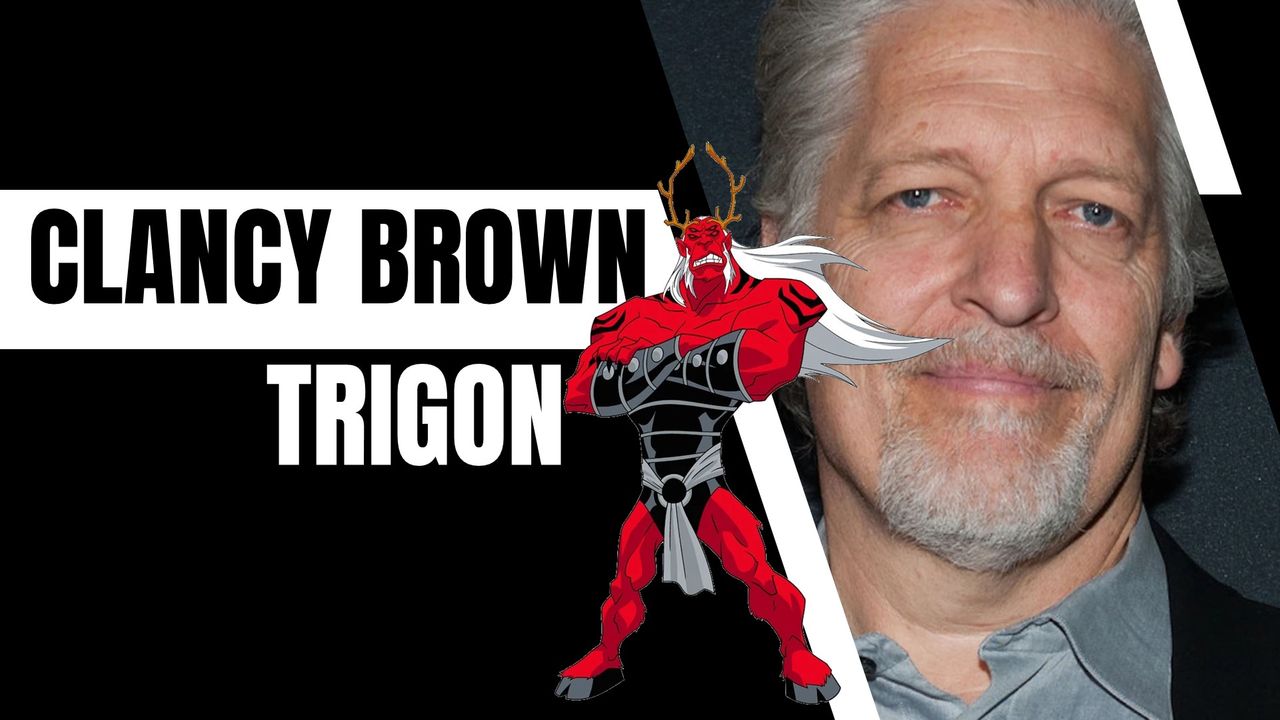
Fan Cast: Clancy Brown
For Trigon, you want a villain where the voice feels like the presence — something huge, ancient, and terrifying even before he makes a move — and Clancy Brown is perfect for that. He’s delivered commanding power in voice roles like Lex Luthor in DC animation, and he’s shown the same intimidating authority in live action as Captain Hadley in The Shawshank Redemption (cold, controlled, and scary without doing too much). Brown’s voice has weight — deep, authoritative, and ruthless — so Trigon would feel like a real force of nature, not just a monster on the screen.


fbbc5b232bd2cde8671b3f8deba8a3f4724b05a1.jpg

Before we wrap this up, I want to hear from you. What do you think of this fun fan casting lineup? Did we nail the picks, or did we miss someone obvious? And if you could cast any actor in any of these roles — or bring in other Titans characters we didn’t cover — who are you adding to the roster?

Also, if you want to hear the full breakdown, Cliff on Comics and I recorded a video where we talk through these picks, the reasoning behind them, and the books we think would react first if a Teen Titans movie ever becomes real:

And if you want us to fan-cast other iconic comics, storylines, or characters, drop your ideas in the comments — we’d love to keep this going.