
Pulp magazine collecting is growing rapidly. If you’re new to pulps, or just looking for a refresher, this guide will help you assess the grades of the pulps in your collection. Let’s get started!
Pulp Printing
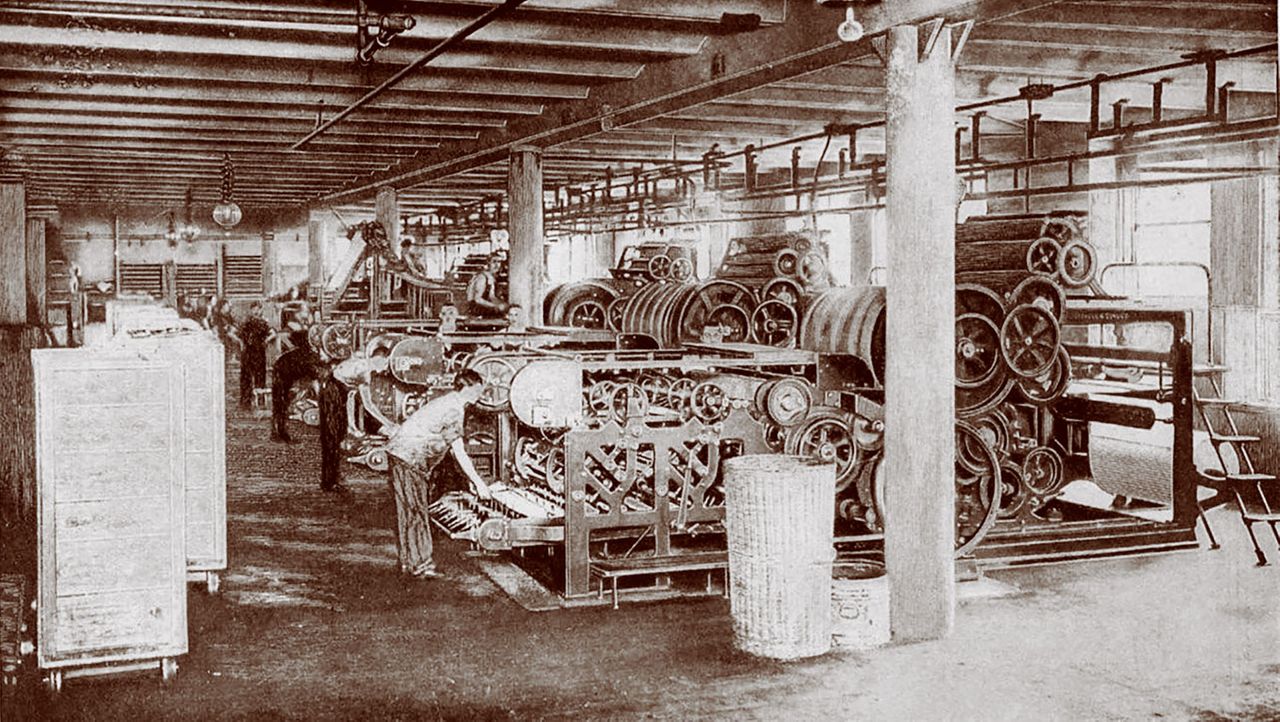
Before we get started on grading, it’s important to understand how pulps were printed and how the degradation of these periodicals is a direct result of the printing process. The term “pulp” comes from the paper that was used in printing. It was dirt cheap paper made using low grade wood pulp. The paper had a high acid content that, over time, causes it to yellow and increase in brittleness as it deteriorates.
The method of printing pulps was not dissimilar to that used in the printing of square bound comic books. Each pulp was printed as sixteen-page “signatures.” The signatures were cut as they rolled off the presses using a rotating saw-toothed blade, leaving jagged edges – or serrations – on the edges of the paper. The multiple signatures were then stacked (eight signatures for a 128-page issue, for example) and stapled together. Regrettably, little care was taken to make sure the signatures were perfectly even. The cover – printed on higher quality, high gloss paper – was then glued to the spine of the stack of signatures and wrapped around, creating a complete pulp magazine. Unfortunately, unlike comic books, pulp printers took the cheap way out and didn’t trim the edges of the cover to match the edges of the interior pages. This left an overhang on the top, bottom, and side opposite the spine that leads to much of the cover damage found in pulps.
The paper quality used in printing, the cutting process (or lack thereof), and the large spines are the three weaknesses of the pulp printing process, and that’s where degradation is most likely to occur. Because of these weaknesses and the age of pulps, most will grade in the 2.0 to 4.0 range. While there are pulps that grade higher, they are incredibly scarce.
The Cream of the Crop
CGC began grading digest sized pulps in early 2024. While there were some pulps printed in bedsheet format (think older Life Magazine size), the focus of this grading primer will be on digest sized pulps.
One of the most popular collectible pulp issues since CGC began grading has proven to be Weird Tales #118 (v22 #4). It has a high CGC population count across multiple grades along with accompanying high-resolution sales images. The solid green cover offers a superb backdrop for flaws, and will serve as a fine example of the deterioration of a pulp as you move down in grade.

This 9.2 grade is the sole top-of-census pedigree copy from the collection of Frank M. Robinson and just sold on December 6 for $105,000. As you can see from this image, it’s a beautiful copy. Let’s take a closer look.



The top of the cover is in nice shape. While there is some blunting in the corners and a little wear along the top edge, this is about as nice as a 1930s era pulp can look.



The bottom edge looks clean as well. Similar blunting on the corners and wear along the edge, but it’s in really good shape.

The right edge of the cover is nearly flawless, particularly when considering cover overhang.

The spine edge of the cover is in pretty good shape, although there is some wear that can be seen.
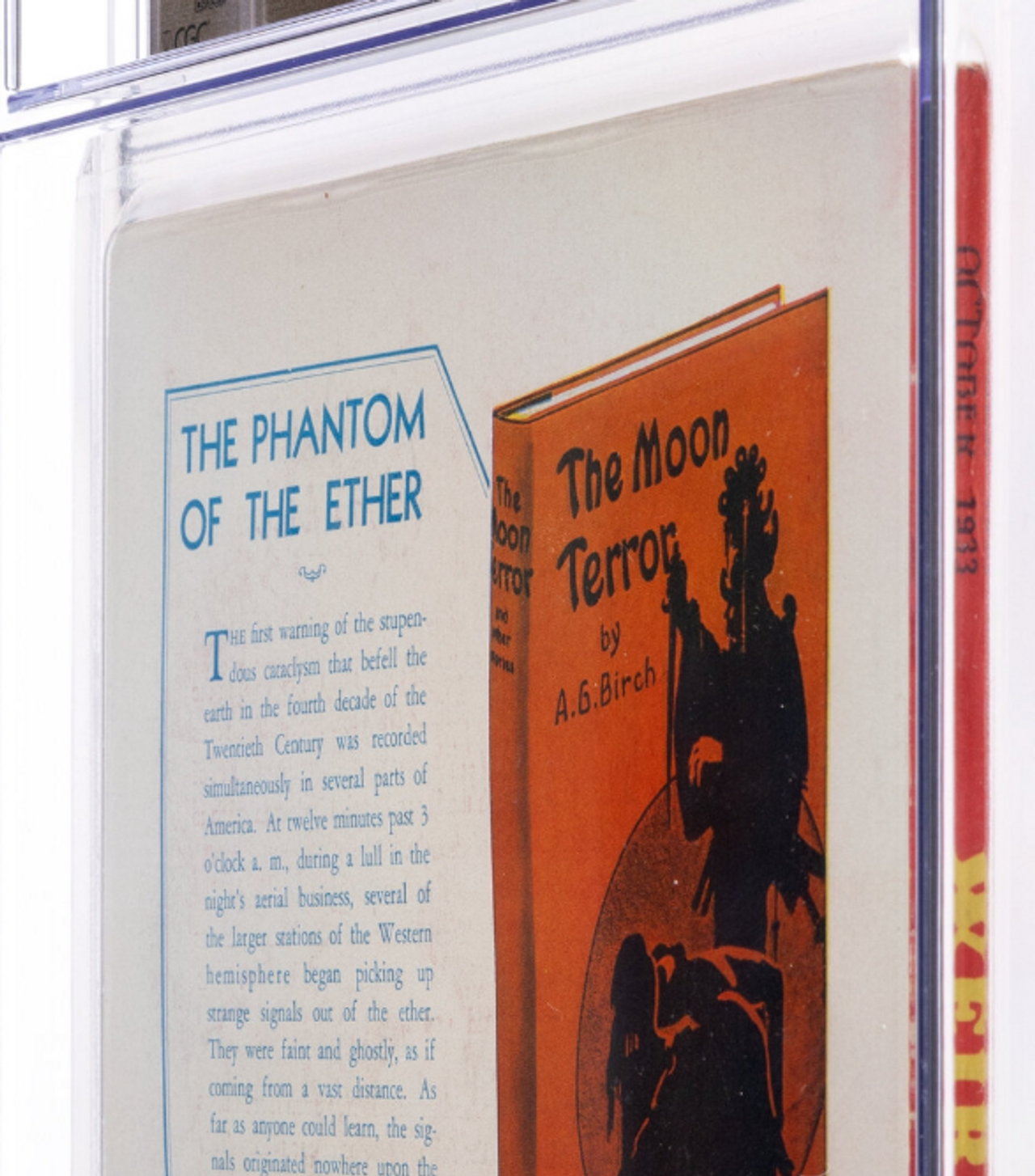
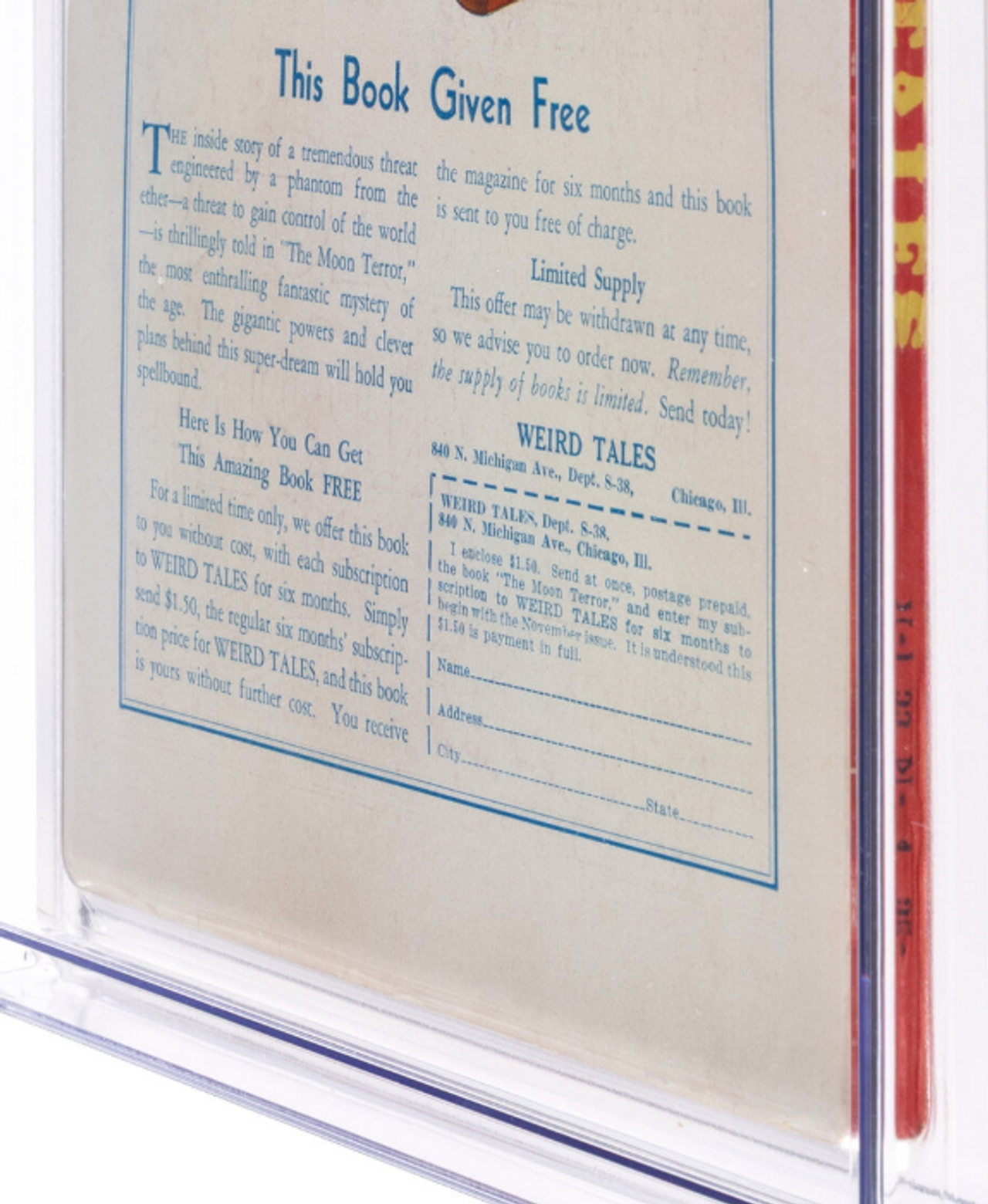
These images give us a closer look at the spine itself, along with the back cover. As you can see, the back cover is white and the spine looks excellent. In addition to the quality of the cover, the interior pages are still white and haven’t fallen victim to the ravages of time seen in most pulps. If you find a pulp in this type of condition, know that you’ve discovered something exceptionally scarce.
Still High Grade But…

A 7.5 grade for a pulp is more than respectable – you’re still talking about the upper echelon of graded pulps. This copy sold on January 12, 2025 for $31,200 and is in the top 6.4% of graded copies of Weird Tales #118. It’s a very nice looking pulp and, for most collectors, would be considered a jewel in their collection.

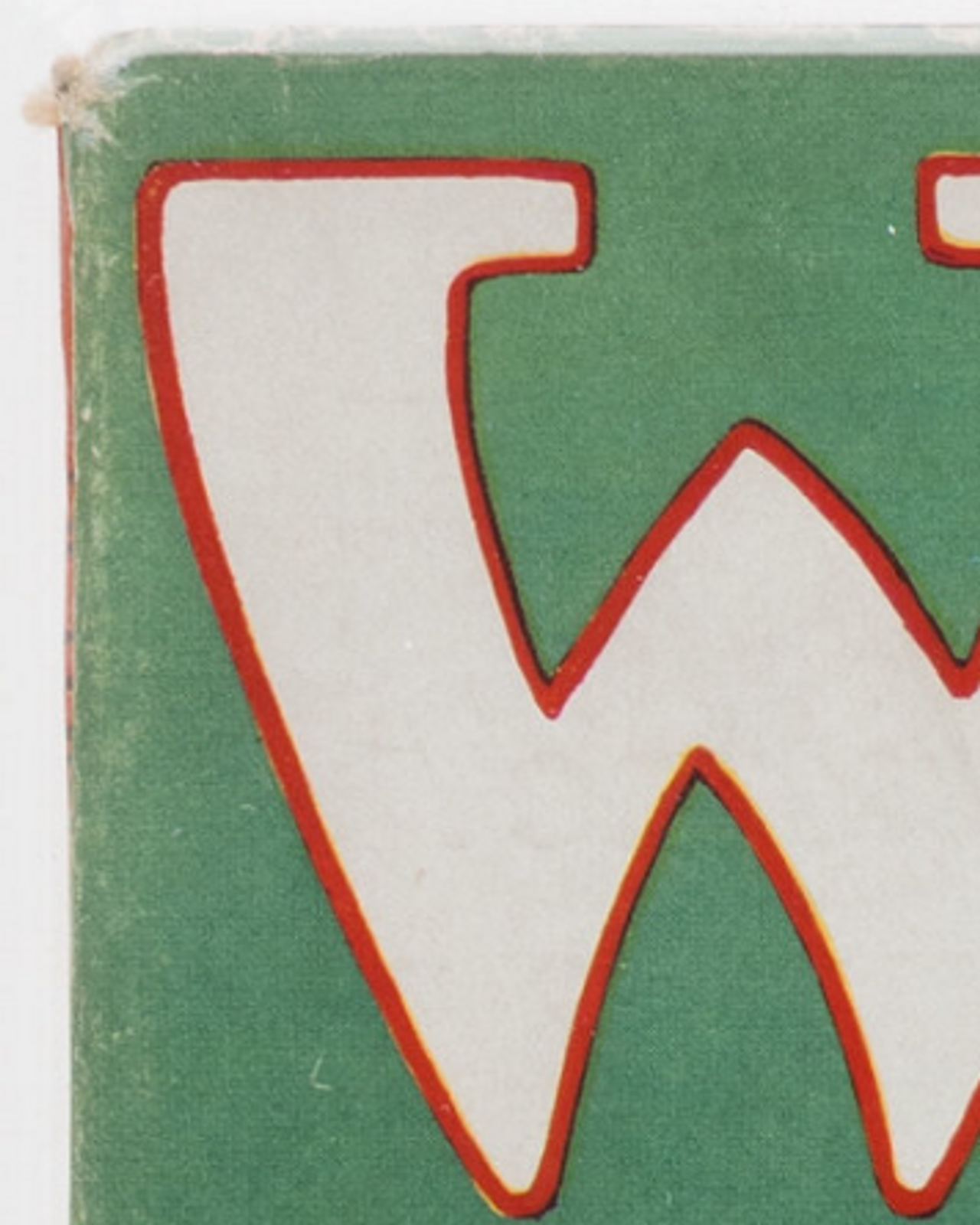

The top of the cover shows more wear in this copy, including more blunting in the corners and even some slight tearing in the upper left corner as well as some tearing along the top edge. Additionally, if you look closely, you can see a slight line just below the edge of the cover caused by its overhang.
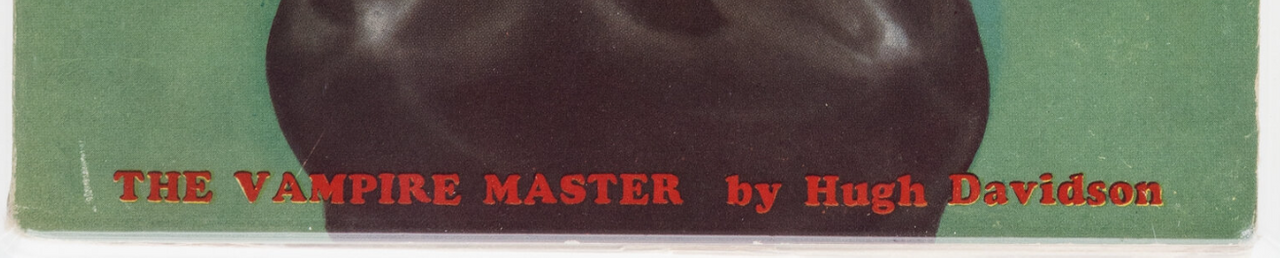


While the bottom edge is nicer than the top, it too is showing wear with more blunting of the corners. There is also an overhang line forming just up from the bottom edge of the cover.

The right edge is in pretty good shape overall, although it’s showing some wear. There is some chipping common to cover overhang that can be seen. The biggest defect here is the small, roughly half-inch very thin tear found below the Bat Woman’s left arm.

The spine edge of the front cover looks nice overall. Yes, there are some color breaks in the center but in keeping with the grade.
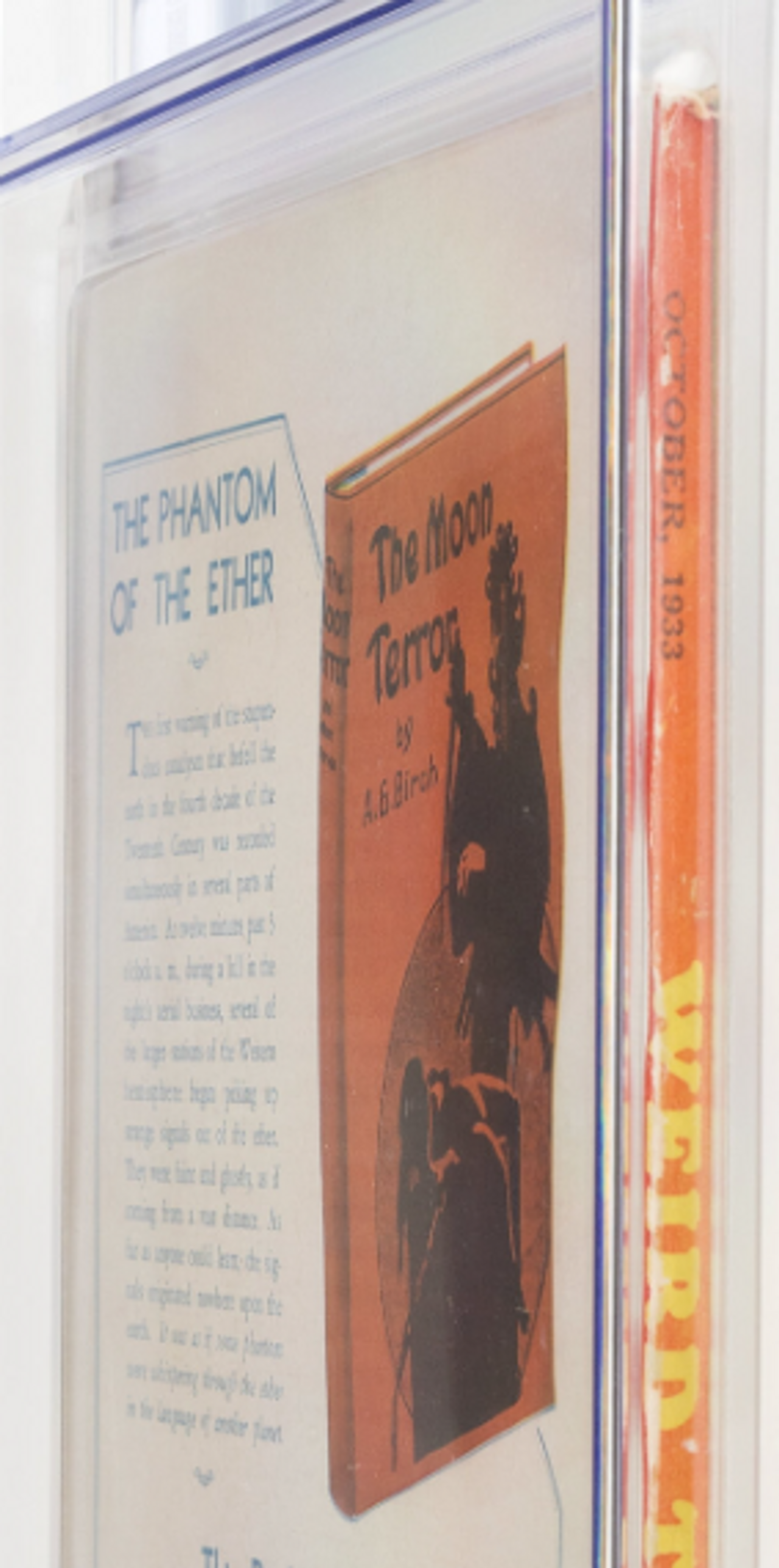
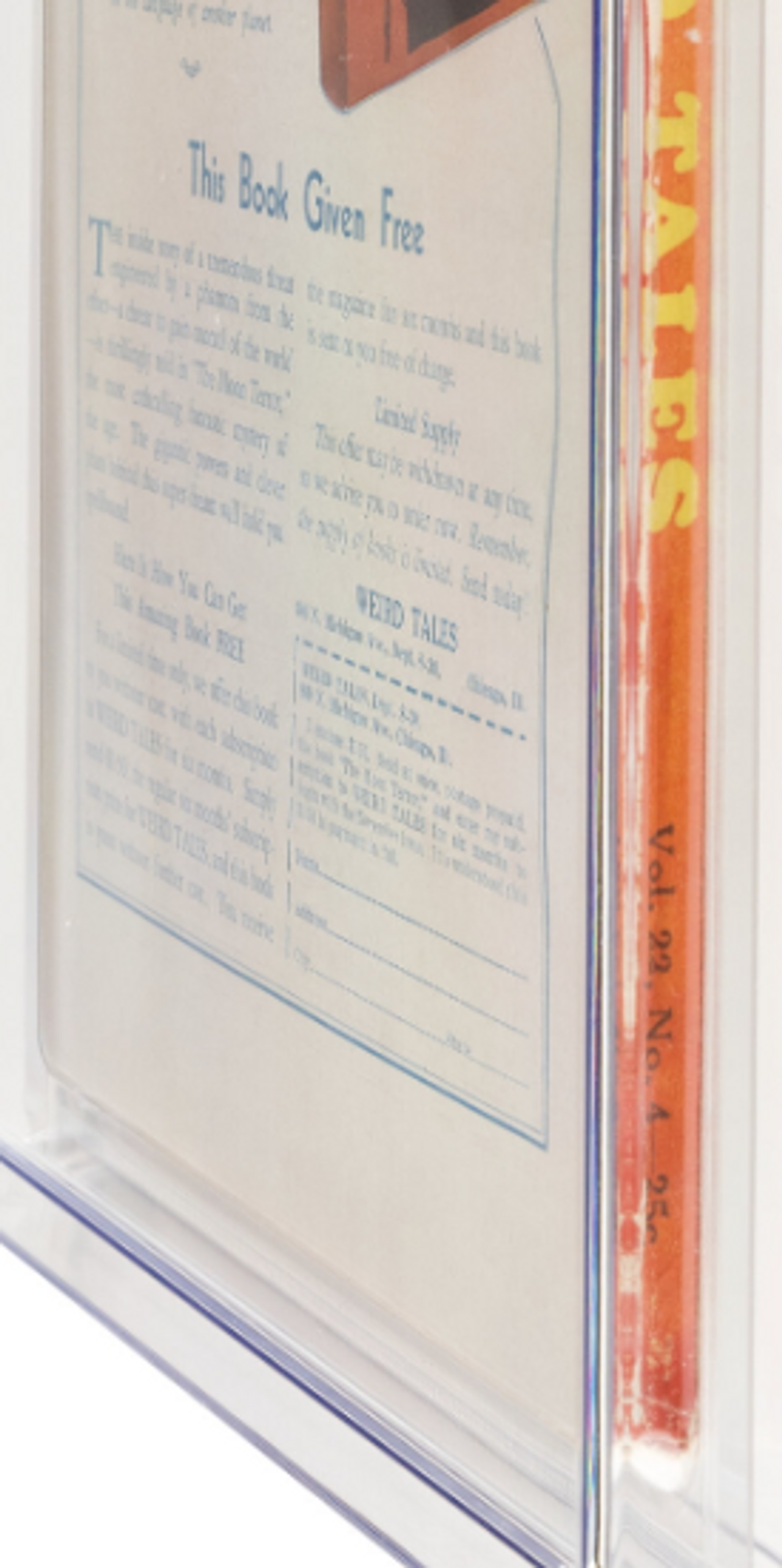
The spine itself is beginning to show significant wear, particularly at the top and bottom, as well as some creasing and color breaks. The back cover is still white, although the edges are showing stress and flaws caused by overhang. The interior pages have retained their whiteness as well. Overall, this is a very, very nice looking pulp that you could proudly display.
Beginning to Have Some Major Flaws

This 5.5 copy sold on November 23, 2024 for $6,500. While definitely showing more wear and tear than our previous examples, it’s still in the top third of graded copies. This is a copy that, upon closer inspection, is showing more flaws. Most particularly, note the interior page quality of cream to off-white. This is why you absolutely need to examine the interior pages when shopping for raw pulps. The paper quality is one of the weak points of pulps and it is there where even a pulp with a fairly nice looking cover is most likely to see signs of deterioration. Dirt begins to be a factor in grading as well in this grade and will become increasingly more prominent in lower grades.

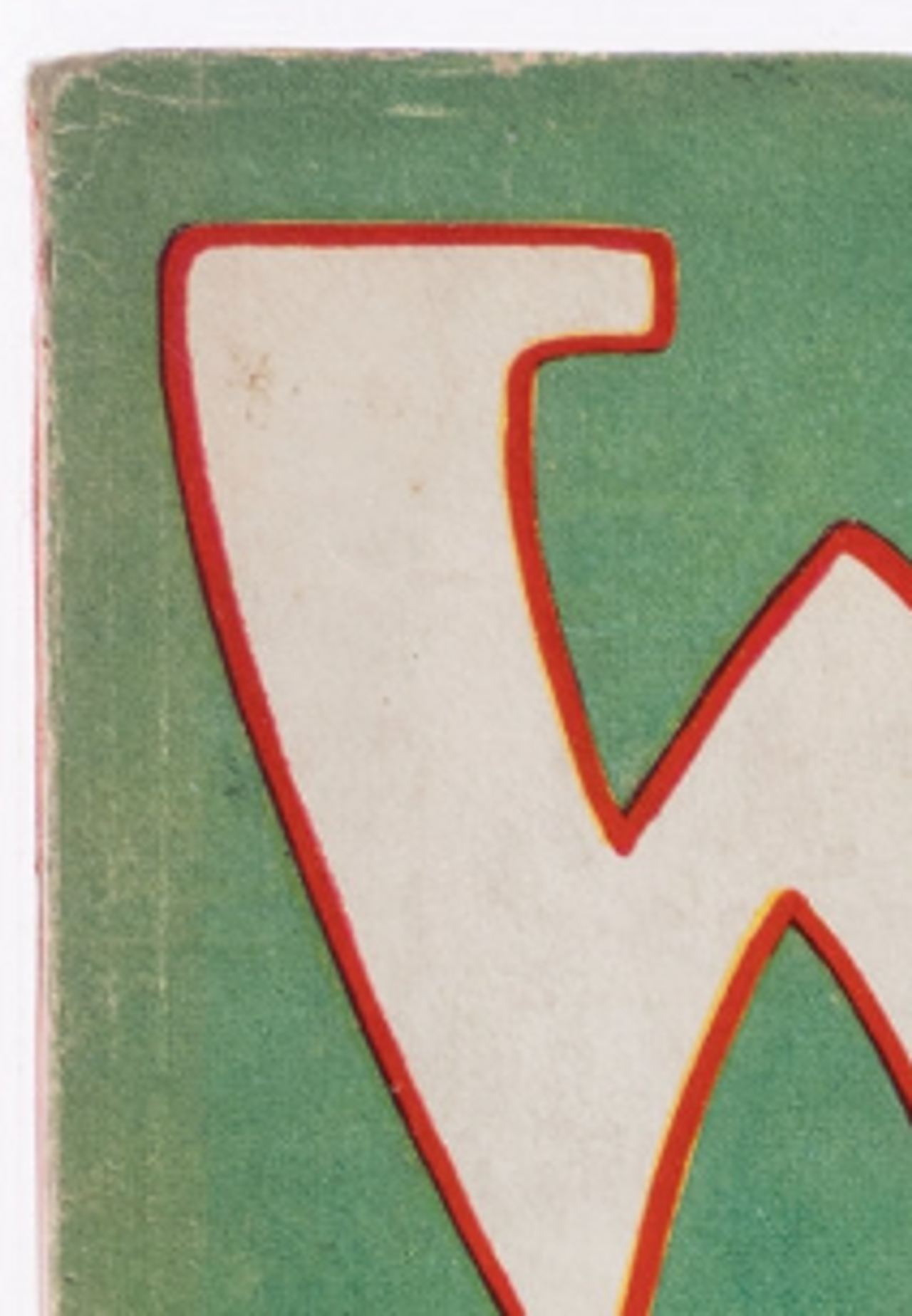

The top edge is in pretty decent shape although the blunting in the corners is more pronounced, particularly in the upper right. There’s also a small crease there.

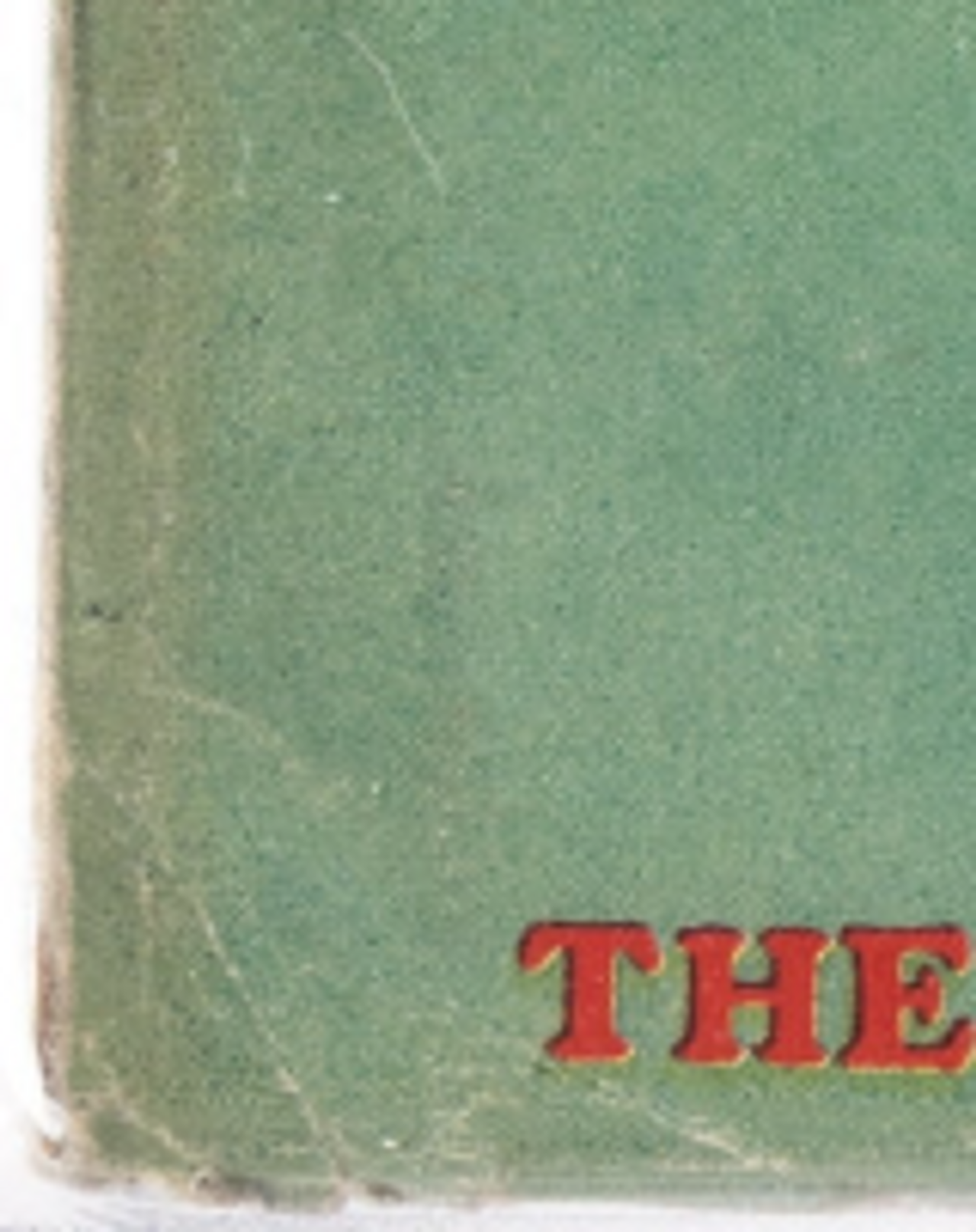
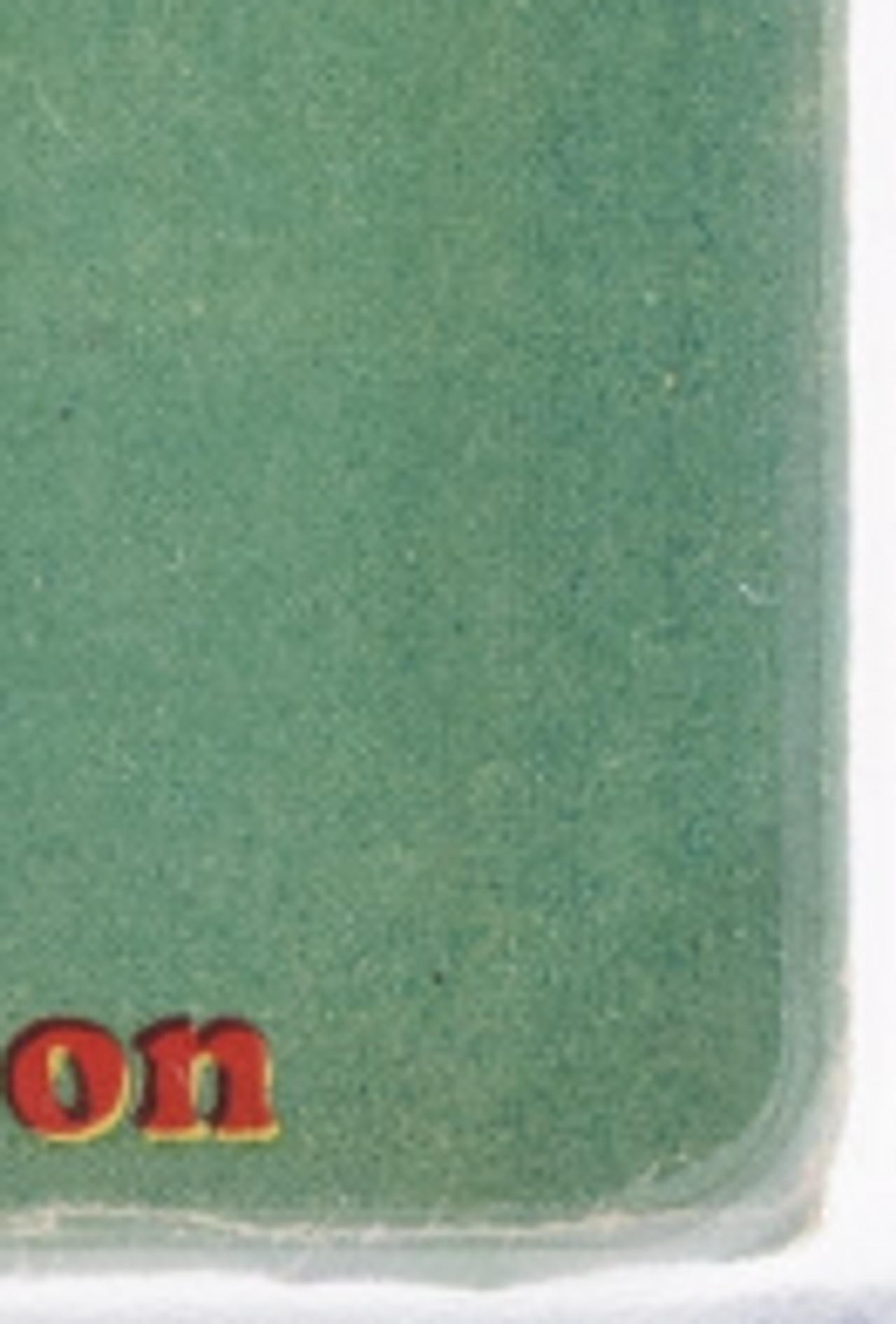
The bottom edge is the roughest we’ve seen so far with many telltale signs of overhang including chipping along large parts. There is significant rounding of the lower right corner caused by overhang and multiple stress and wear marks in the lower left corner.

The right edge has a significant overhang line although the chipping isn’t as bad as what we saw along the bottom edge of this copy.

The spine edge of the front cover shows stress and creasing. Clearly, this was a copy that was well read back in its day.
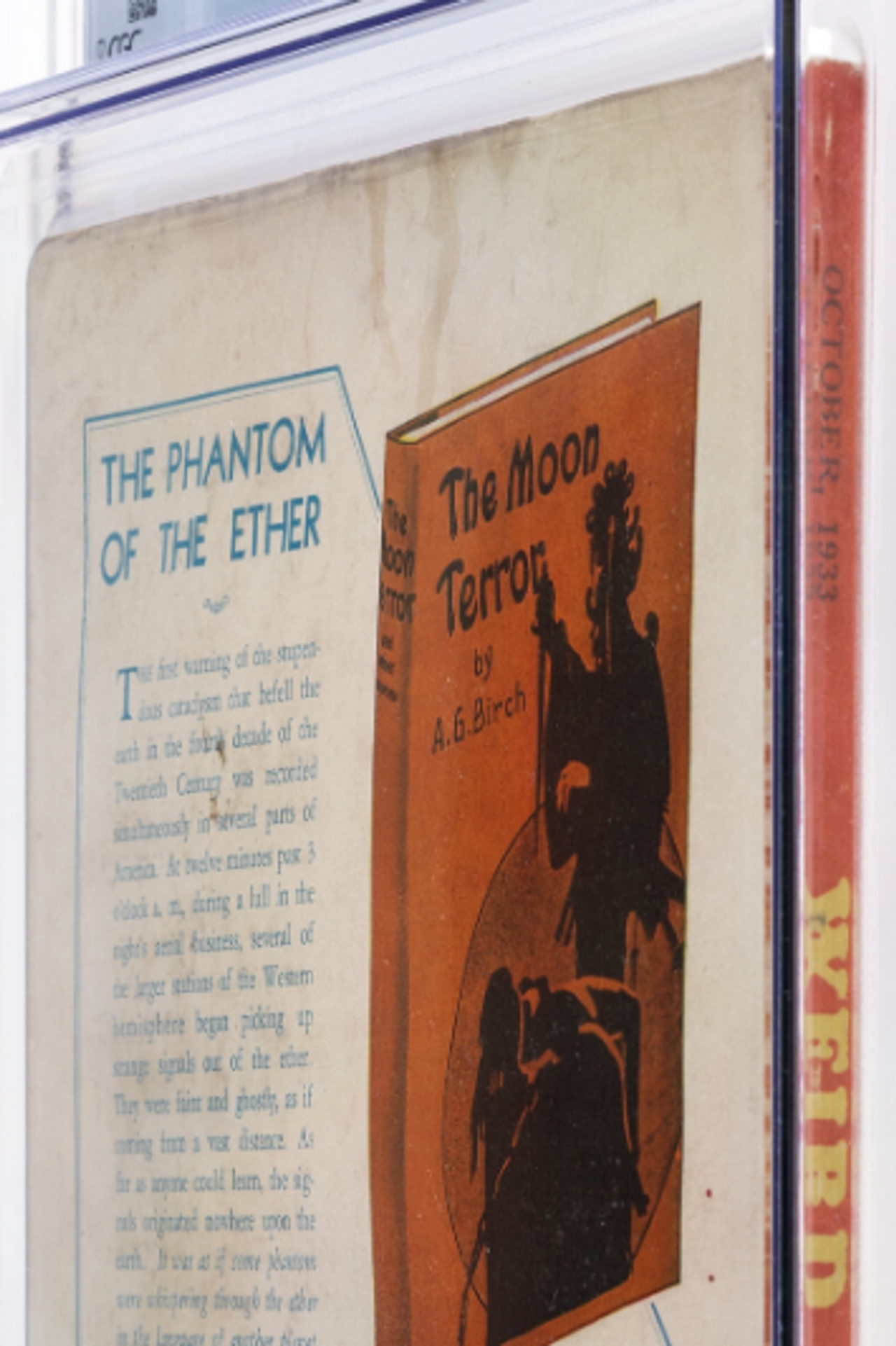
While the spine itself doesn’t display the tearing we saw in the 7.5, there are multiple stress marks and creases. The back cover is the worst we’ve yet seen. The brightness of the white is gone and there is significant discoloration at the top to the point of browning. Overhang stress can clearly be seen. Most significant, though, are the large stains at the top center. Overall, it’s a pretty good copy and if you have a similar looking pulp in your collection, rest easy knowing that, if not one of the best, it’s still likely nicer looking than two-thirds of the pulps out there.
The Common Pulp

This 3.5 grade is what you’re most likely to come across when searching for pulps. This copy sold on October 23, 2025 for $3,720. It shows much of the deterioration you’ll see in pulps including light tan to off-white pages. Because most pulps weren’t stored with great care by the average 1930s to 1950s reader (if they weren’t just thrown away), its flaws are typical of what a collector will find in a stack of pulps in a shop or show.

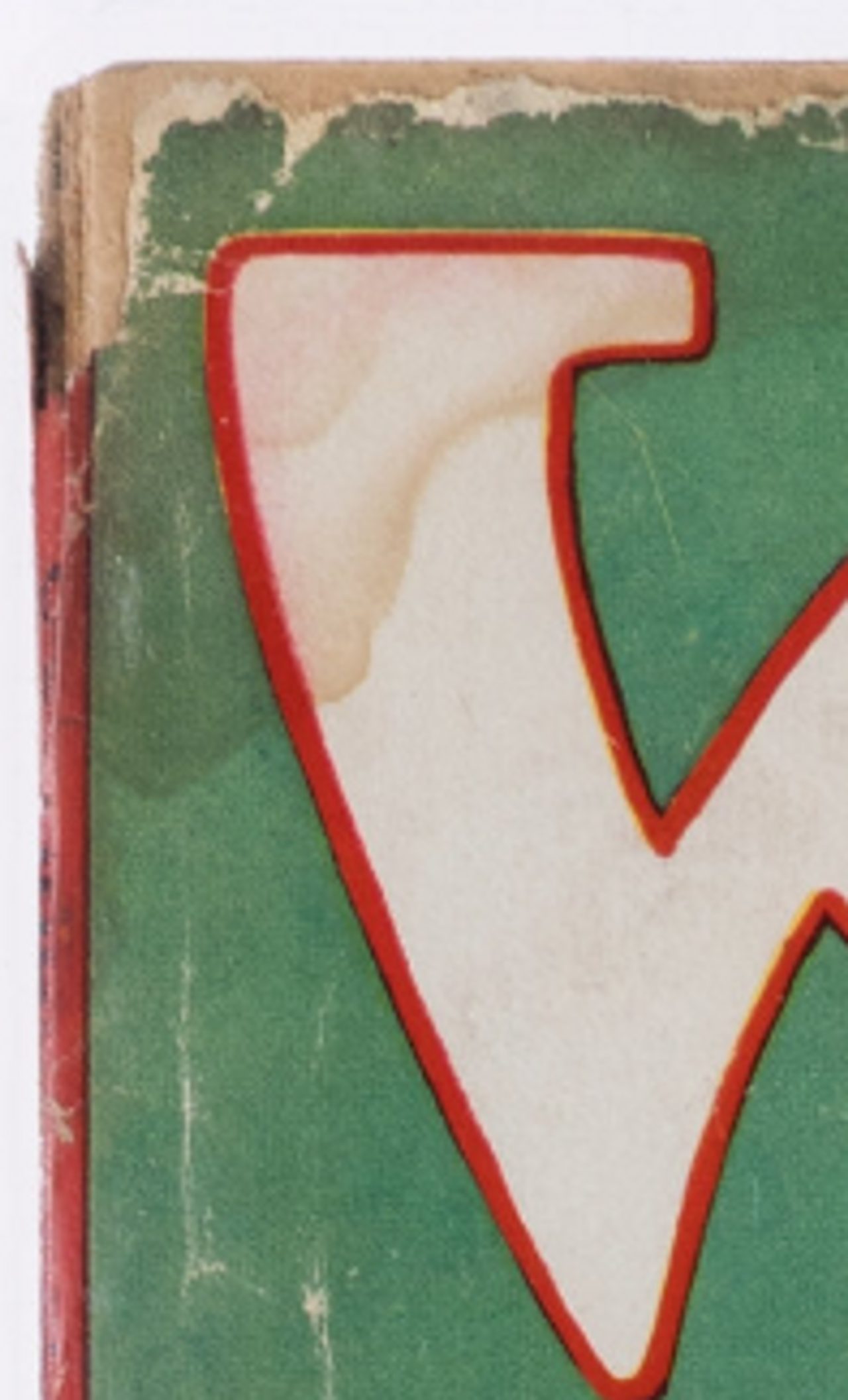

The top edge of the front cover is, to be blunt, quite ugly. The upper left corner looks as if it took a bath in some type of liquid, causing disintegration of some of the cover. There is chipping across the entire top of the cover as well as darkened discoloration caused either by the liquid, air exposure where it hung below another pulp in a stack, or a combination of the two. In addition, the upper right corner shows pronounced blunting, creasing, and a micro-tear.

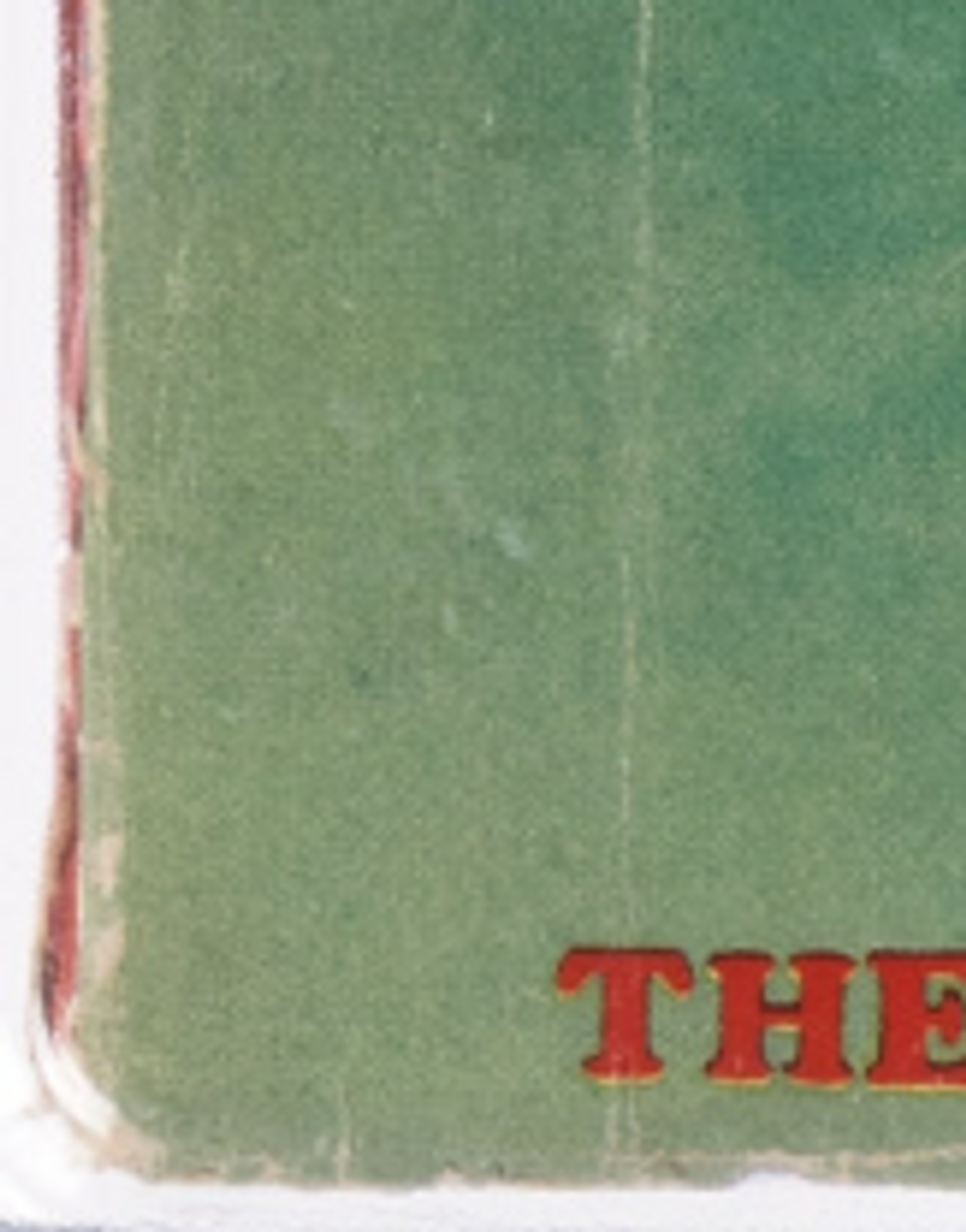
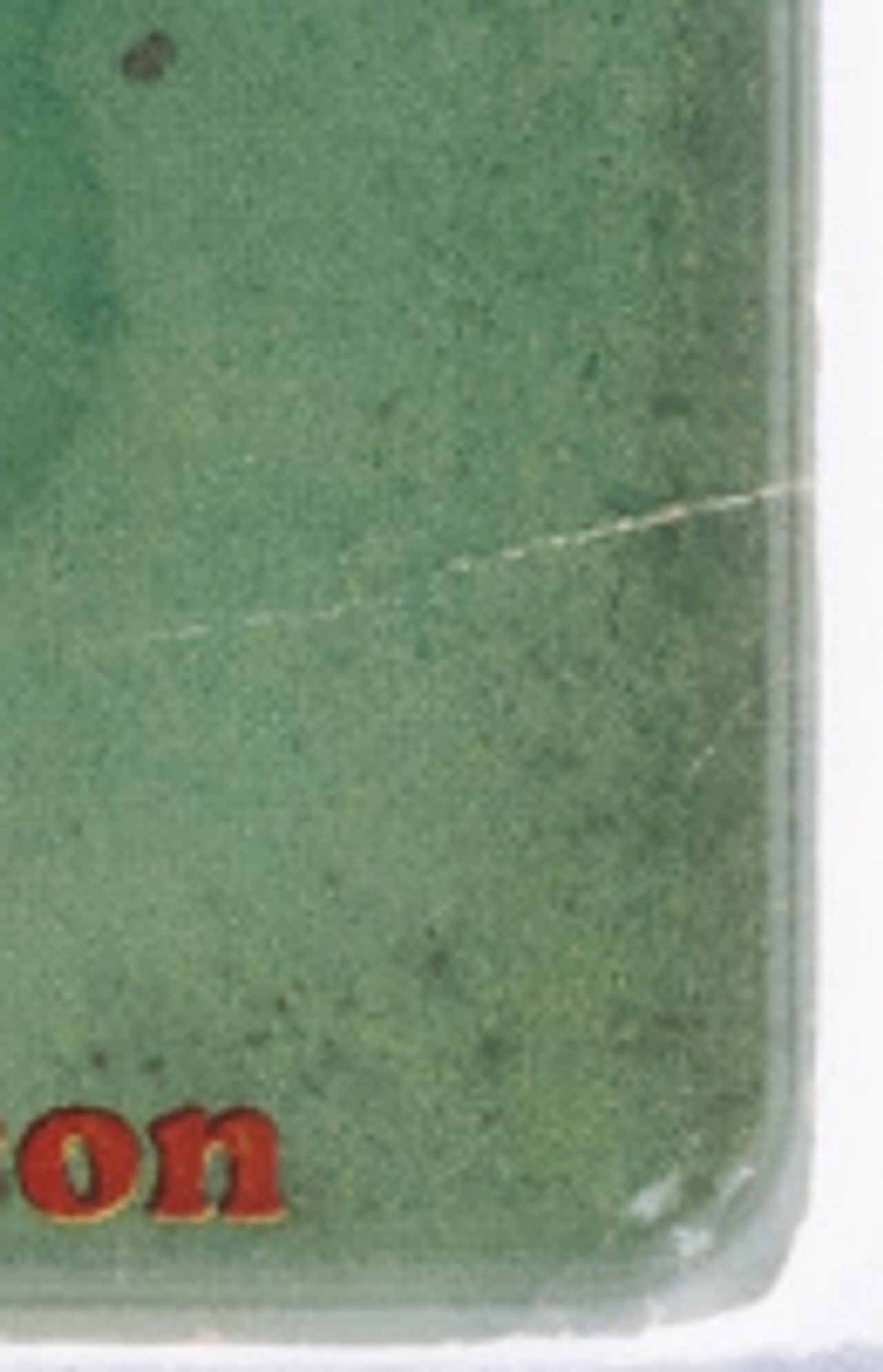
The bottom edge is in much better shape, likely protected by the pulps above it in the stack, although blunting, chipping, staining, and creasing are all quite evident.

The right edge is in surprisingly good shape considering the damage seen in the rest of the cover. One note here: it was a common practice at one point for collectors to trim the edges of pulp covers – most particularly the right edge as it was the easiest to repair – to eliminate the overhang. While that doesn’t appear to have been the case here (note the Bat Woman’s left arm in the above examples compared to this one), it is something that you should keep an eye out for.

The spine edge has creasing that can be seen, as well as the significant ink stain that is clearly visible. Stress and color breaks are also abundant.
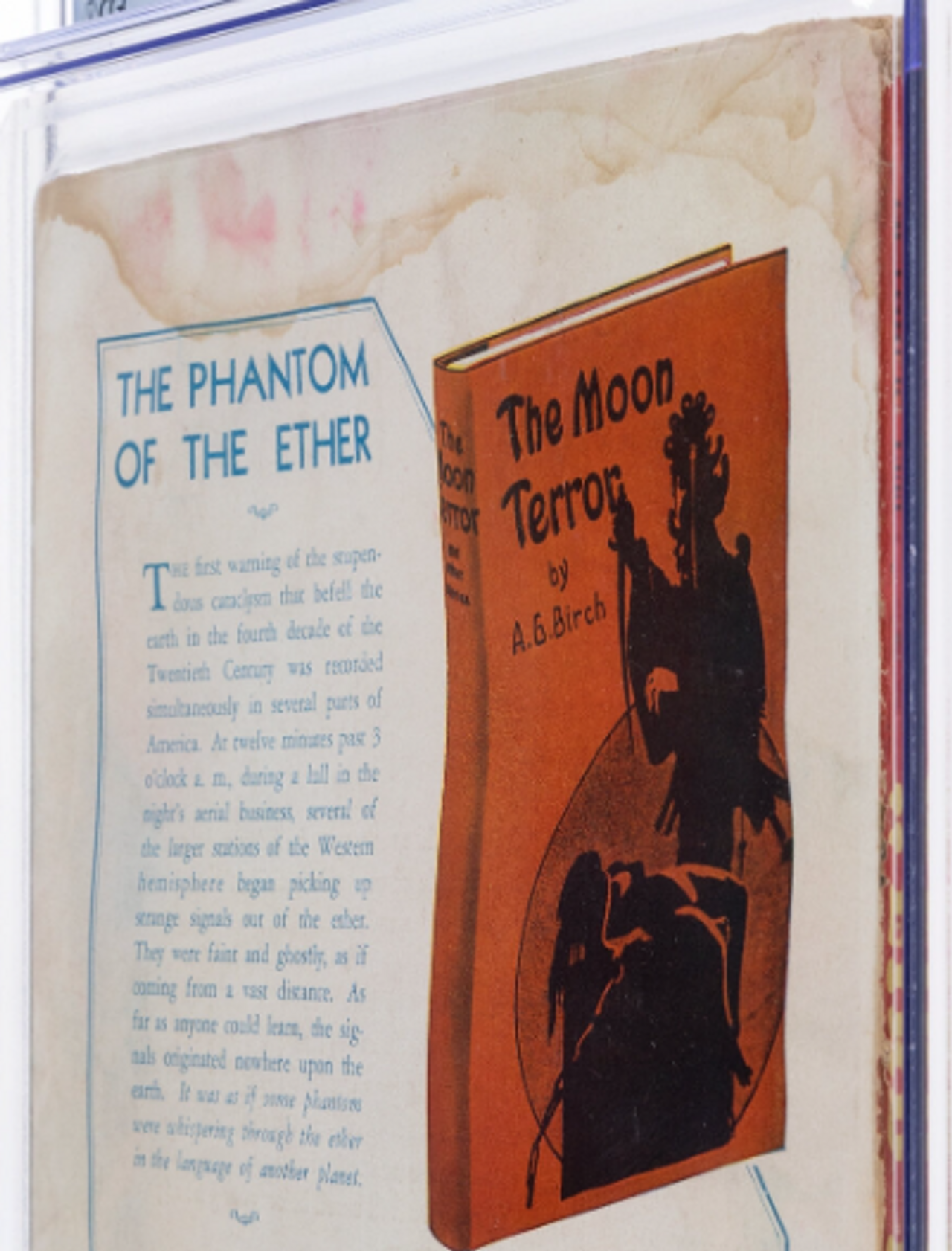
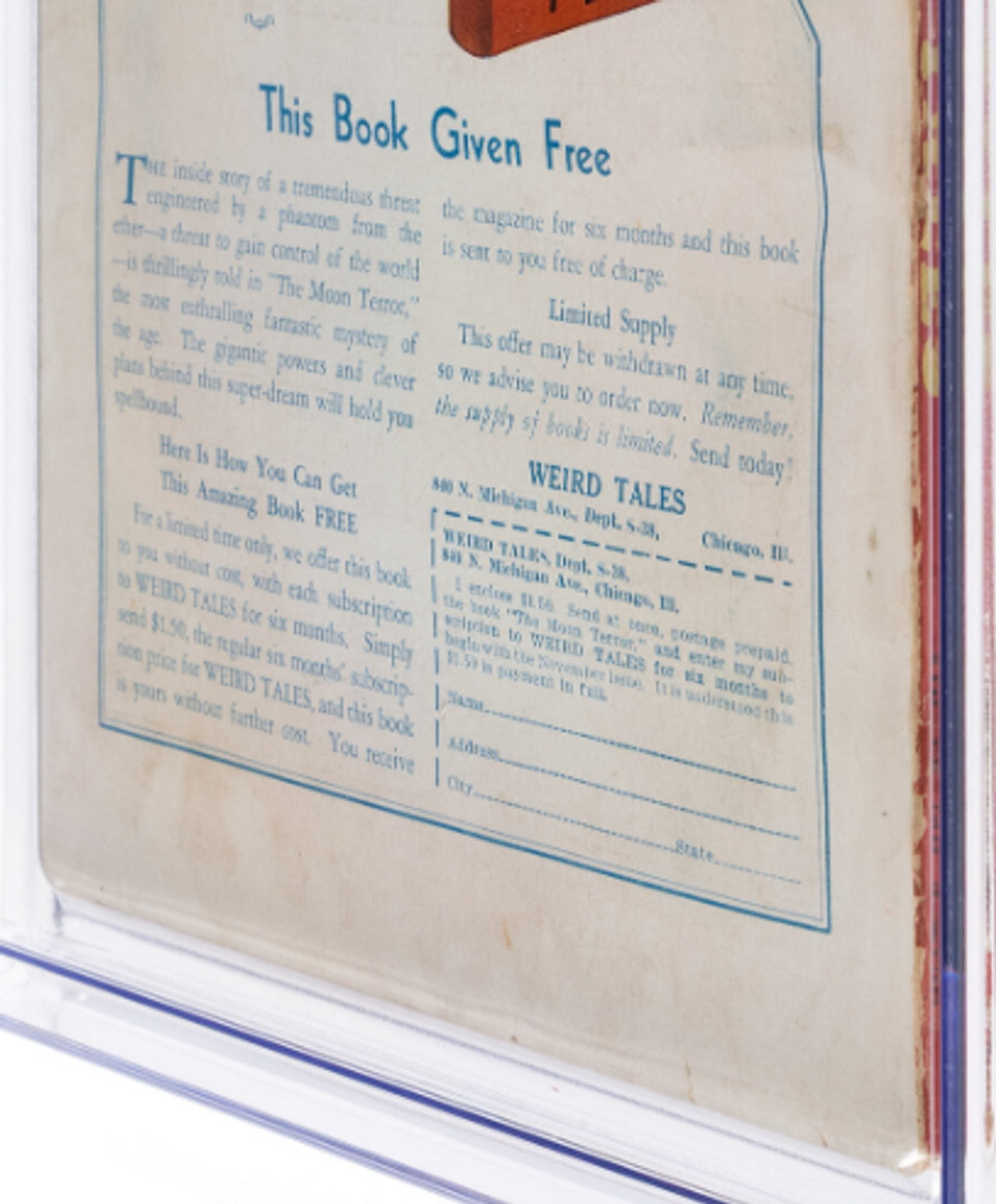
The staining caused by the liquid is even more pronounced on the back cover that has degraded to more of a cream color. The spine itself has significant stress marks and chipping, a sign that it has begun to peel away from the glue affixing it to the signatures. Overall, it is, for better or worse, what you're most likely to find when searching for pulps.
Low Grade Is Better Than No Grade

This 2.0 with off-white to white pages sold on April 7, 2024 for $4,720. While a higher price than the 3.5 above, note that this was early on in CGC’s grading of pulps. The population count of graded copies was much lower than the 84 we have today and this was one of the most popular pulps when grading began. It would likely sell for lower today as its in pretty rough shape, with the ugly old tape being its most pronounced flaw.

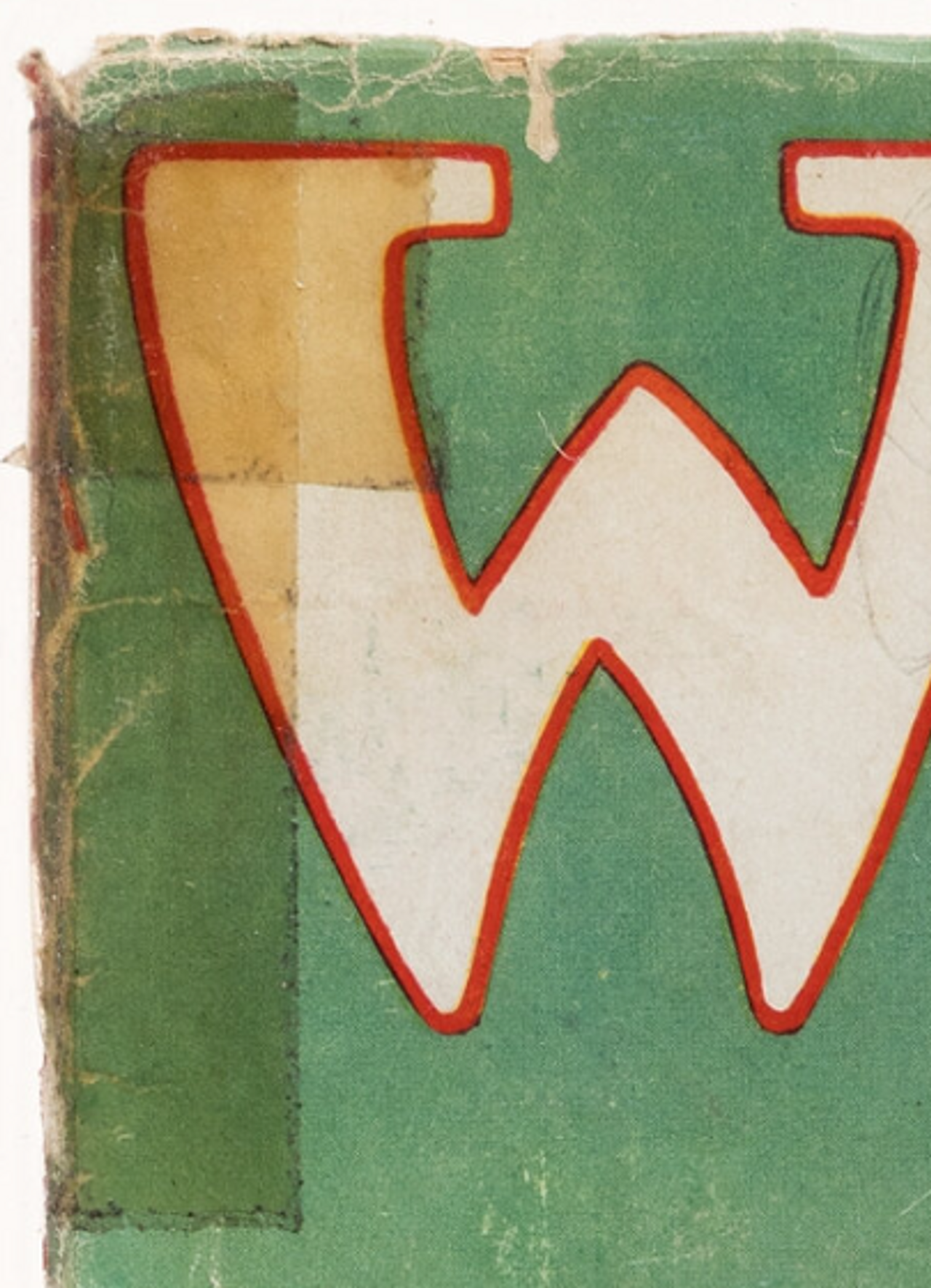
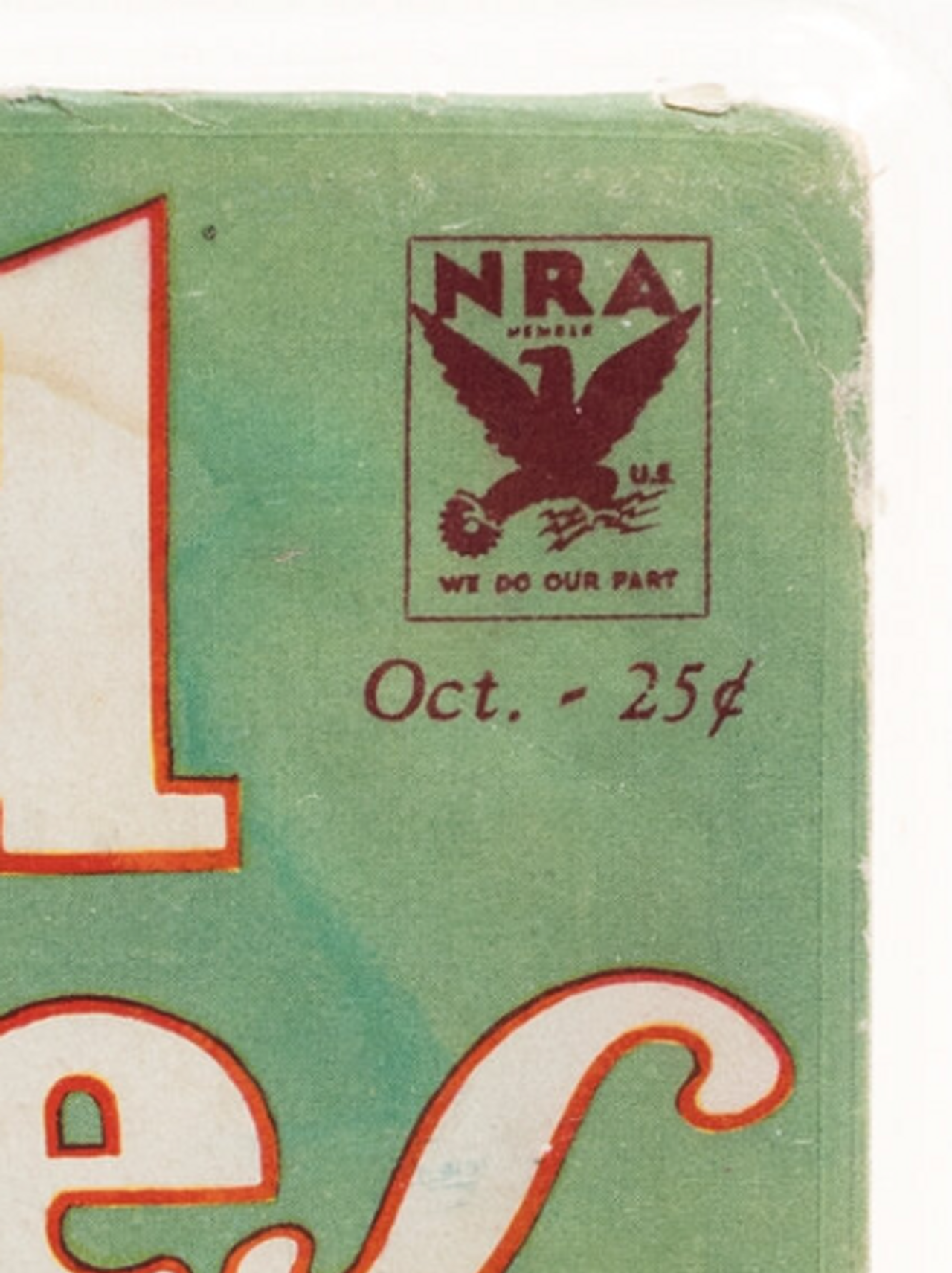
The top edge, while not quite as bad as the stain seen in the 3.5, has more signs of overhang stress, including chipping and tearing. The upper right corner is severely blunted and creased and there are quite pronounced tears in the upper left. The overhang line is more than apparent, and you clearly see why that is one of the weak points of the pulp printing process in this copy.
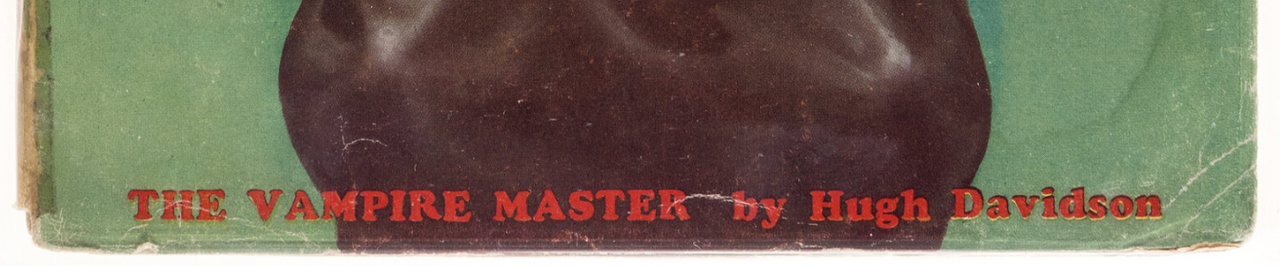


The bottom edge is the weakest we’ve yet seen with multiple telltale overhang flaws, including folds, chipping, and creasing. Again, the overhang line is glaringly apparent here.

The right edge, too, has more significant tearing, creasing, and chipping than we’ve yet seen.

The spine is the biggest flaw in this pulp that is clearly held together by tape.

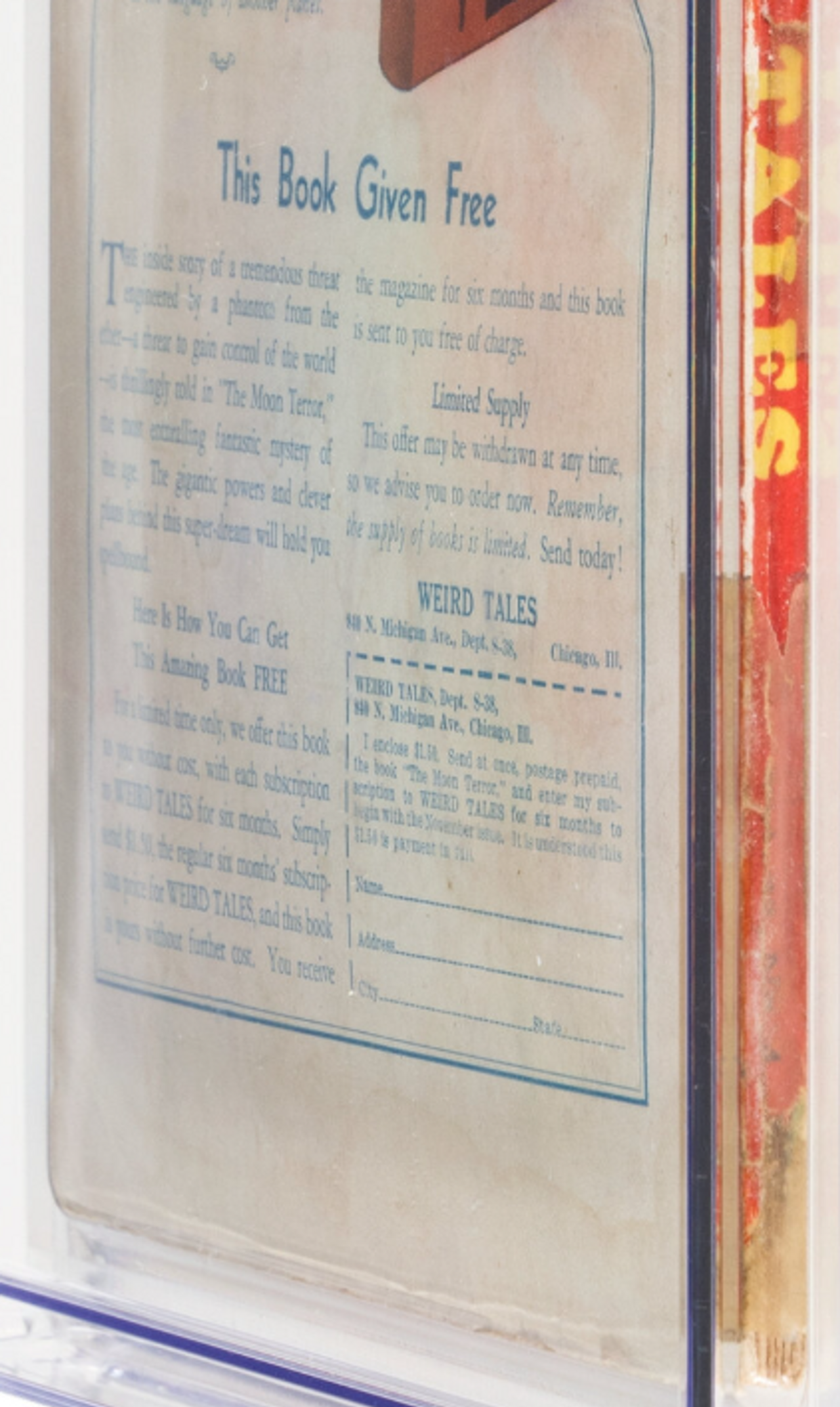
You can clearly see the tape in these images as well. There is also quite a bit of creasing in the spine (where it isn’t covered by the tape). The cover over the spine is completely missing at the bottom and there's a large chunk of the spine at the top that is gone as well. The back cover is markedly faded and has well worn overhang damage. Overall, a copy like this is one to get if you don’t have the means for better looking copies and just want one for your collection. While pulps that look like this may be rare due solely to their age, they’re far from scarce.